A team of scientists at the University of Iceland is currently studying the chemical composition of Icelandic milk, with the aim of gaining a better understanding of the A2 type of beta-casein protein and the potential health benefits of Icelandic milk over other dairy products.
A project developing connective tissue from brown algae instead of animal-derived tissue, used to treat chronic wounds, burns, injuries, and other tissue damage, received the annual University of Iceland Science and Innovation Prize.
Jón Atli Benediktsson, professor of electrical and computer engineering and former Rector of the University of Iceland, has taken over as editor-in-chief of the book publishing arm of the Institute of Electrical and Electronics Engineers (IEEE).
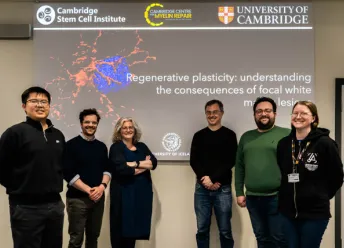
Damage to white matter in the brain can trigger features associated with neurodegenerative disease, Cambridge researchers have discovered in a new study published today in the journal Nature.
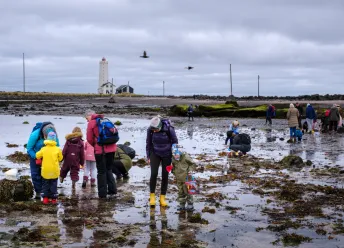
On Sunday, 26 April, the Grótta beach will turn into a living, open-air laboratory. The University of Iceland and the Children's Touring Association invite you on a walk on the Grótta shore with scientists from UI.
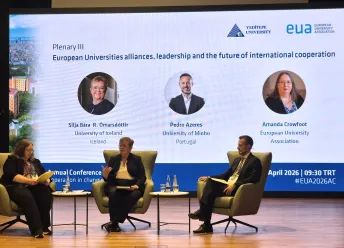
Silja Bára R. Ómarsdóttir, Rector of the University of Iceland, took part in a plenary session last week at the annual conference of the European University Association held in Istanbul, Turkey.
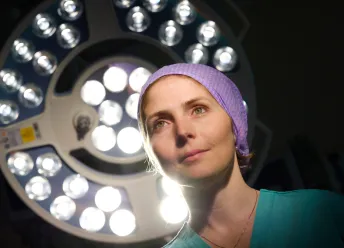
ECMO treatment at Landspítali University Hospital has saved dozens of lives this century, but a high proportion of patients who survive this form of intensive care struggle with anxiety and depression, and even post-traumatic stress disorder in the long term.
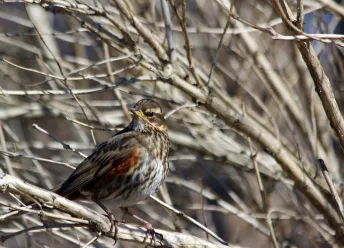
Spring has arrived late this year, and therefore, not all migratory birds have started nesting.
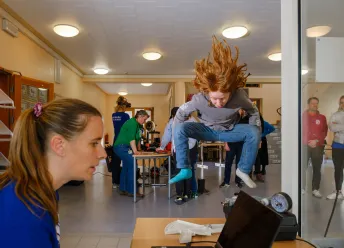
Spring in Iceland means only one thing: the University Knowledge Train is leaving the station and will travel around the country, providing learning and entertainment at two locations in the coming weeks.
Over 100 students and staff braved the weather and took part in the University Run on Tuesday, 14 April.