Language skills
Programme length
Two years - 120 ECTS
Study mode
Blended learning
Application status
International students:
Students with Icelandic or Nordic citizenship:
- Are you interested in the sustainable utilisation of marine bioresources and food production?
- Would you like to work across disciplines in the fields of aquaculture, fishing and biotechnology?
- Are you interested in research, innovation and entrepreneurship?
- Do you want to work in an international environment and build up a network of contacts in this field?
MAR-BIO is designed to make interdisciplinary connections between fishing, aquaculture and other marine or aquatic-based food production, with a particular emphasis on innovation and entrepreneurship.
The courses in the list below are offered at UI at Hólar.
See here for courses offered at the other universities.
- University of Gothenburg
- Nord University at Bodø
The deadline for applications to the MAR-BIO programme is 5 June.
Programme structure
The programme is 120 ECTS and can be completed in two years of full-time study or a longer period of part-time study.
The programme is made up of:
- Courses, 60 ECTS
- Research project, 60 ECTS
Organisation of teaching
This is a flexible programme taught through distance learning with on-site blocks. Students are required to develop independent working practices, particularly in writing the master's thesis.
Courses will be taught in English unless the instructor and all students speak Icelandic.
Main objectives
The MAR-BIO programme aims to:
- facilitate student mobility between the Nordic countries and dissemination of knowledge and research between the institutions
- allow the Nordic countries to join forces to educate the next generation of experts in the field
- build new connections and opportunities for collaboration between academics, branches of industry, governments and businesses.
Other
The programme will prepare you for doctoral studies.
The student needs a BA/BSc. degree (or 180 ECTS), with the minimum average grade
of 6.5 or equivalent education to be accepted into the programme.
Students whose mother tongue is not Icelandic or English must demonstrate
proficiency in English (TOEFL) or Icelandic (citizenship test).
The acronym MAR-BIO stands for Nordic Master Programme in Sustainable Production and Utilization of Marine Bio Resourses
The Master study includes a research project (60 ECTS) and courses (60 ECTS) for a total of 120ECTS. The usual study time is two years.
The course work includes three mandatory courses run one after another by each partner university (15 ECTS madatory course), including mobility to Norway and Sweden at the start of the first semester. Another mandatory course is the Method and experimental design course which can be taken in the first or third semester (for 10 ECTS). The other 35 ECTS of course work can be taken in any of the three partner universities (i.e. the University of Icleland at Hólar, the University of Gothenburg in Sweden or Nord University in Norway).
The research project falls under the rules and regulation of Masters studies at the University of Iceland at Hólar, with the exception that the student will graduate from at least two of the consortium institutions, including the one at which the final project is written.
Within a year of starting the Master, the student will give an open lecture, where the scientific background of the research project are introduced, the research plan explained and first results introduced (when possible). At that time the Master‘s committee will evaluate the progress in the study and if the student will be allowed to continue his/her studies.
The master project ends with submission of a thesis and an oral defense. At the same time as the thesis is submitted, the student needs to provide a confirmation that the course work has been completed. The thesis and defense are evaluated by an examination committee, which includes the advisor, a member of advisory committee and an external examiner. The defense is supervised by a teacher from the department.
The following documents must accompany an application for this programme:
Further information on supporting documents can be found here
Programme structure
Check below to see how the programme is structured.
This programme does not offer specialisations.
- First year
- Fall
- Introduction to MARBIO I
- Introduction to MARBIO II
- Introduction to MARBIO III
- Methods of scientific research
- Development of Aquaculture
- Fish Reproduction
- Spring 1
- Harvest and Processing
- Behavioural Ecology
- Health and hygiene
- Topics in Aquatic Biology
- Environmental Issues of Aquaculture
- Literature study in Aquatic Biology
First year | Fall
Introduction to MARBIO I (IMB1305191)
A mandatory (required) course for the programme
5 ECTS, credits
Course Description
this is the first mandatory course in the MAR-BIO master program and it is taught by Nord University Norway, (code BIO5038) - access to the course material is through NORD Canvas platform.
"Introduction to sustainable production and utilization of bioresources I: The Norwegian example"
The course consists of an introduction to fish biology, aquaculture techniques, using Norwegian
salmon farming as an example, with an insight into global, ecological and restorative aquaculture.
The course will introduce the students for a wide array of job opportunities, as PhD student or within
the industry, within the area of circular bio-economy and blue growth.
The course will be organized with 2 weeks of web-based modules combined with one-week physical
meeting, where all students gather at Nord university in Bodø for an intensive campus course.
The intensive campus course will comprise an excursion to visualize knowledge acquired during the
online weeks about salmon farming (industry visit from broodstock to fish processing), an industry
seminar, a research day to understand on-going research in the field and get to know potential master
projects, an group work on a report related to food from the ocean.
Language of instruction: English
Distance learning
Course taught first half of the semester
First year | Fall
Introduction to MARBIO II (IMB1305192)
A mandatory (required) course for the programme
5 ECTS, credits
Course Description
This course gives an overview of aquatic resources, i.e. aquaculture, aquatic species with potential for harvest and cultivation (macro and micro algae, mussels, shellfish), and strategy of value chain management. We also explore the opportunities and challenges in the utilization of natural resources such as minerals, cold/hot springs, freshwater wells, and fisheries. The course focuses on the challenges that are unique to harvesting, harnessing and culturing aquatic resources both in the teaching material and throughout the on-site visits. There will be special emphasis on the operational environment that is unique to the fishery sector and important factors that affect results such as value creation, and natural conditions on the supply chain. This part also addresses the other use of marine resources by the tourist industry.
This course is one of the 3 mandatory courses for the Nordic Master MARBIO.
It includes 2 weeks of online teaching and one week of on-site visits in Iceland.
Language of instruction: English
Distance learning
First year | Fall
Introduction to MARBIO III (IMB1305193)
A mandatory (required) course for the programme
5 ECTS, credits
Course Description
this is the third mandatory course in the first semester of the MAR-BIO program, and taught by the university fo Gothenburg Sweden (code MABI03).
Introduction to sustainable production and utilization of bioresources III: Transciplinarity and co-creation
Content
The oceans, coastal waters, lakes and streams constitute resources that must be managed
and cared for in sustainable ways. The course "Introduction to sustainable production and use
of marine bioresources III: Transdisciplinarity and cocreation" comprises how to create
sustainable food production through aquaculture by integrating natural science, social science
and design perspectives. The course gives an introduction to inter- and transdisciplinary
methods for studying aquaculture and fisheries and the interaction between them in a local
and global context. The whole value chain of seafood is considered with emphasis on
entrepreneurship. Legal aspects such as coastal zone planning and technical development of
innovative aquaculture systems, with a focus on food production, will be highlighted during the
course. The course is based on FAO's "guidelines for responsible fisheries" and "Ecosystems
approach to Aquaculture" and the UN's SDG (Sustainable Developmental Goals). The course
will cover local and global aquaculture systems including the most important species,
cultivation volumes and technologies as well as opportunities for sustainable intensification of
aquaculture production.
The course is given in collaboration between three Nordic universities, which in addition to the
University of Gothenburg also includes Nord University Bodø in Norway and Hólar University
in Iceland.
The course also includes study visits to industry, authorities and organizations as well as
teaching by invited lecturers from stakeholders and professionals within aquaculture and the
seafood production sector.
Objectives
After passed course the students should be able to show:
Knowledge and understanding
Knowledge and understanding of the “United Nation Food and Agriculture Organizations
(FAO) Ecosystems Approach to Aquaculture" and the UN 17 sustainable development
goals and how seafood production through aquaculture relates to these
Insight in transdisciplinary methods such as participatory design and "co-creation" as well
as possibilities and needs for these methods for sustainable development aquaculture
Insight into current aquaculture legislation and marine spatial planning at national and EU
level
Knowledge and understanding of aquaculture of different organisms, its biology and
ecology as well as the technologies that are used for farming of the most common species
used in aquaculture
Knowledge and understanding of circular systems and sustainable feed production for
“fed” aquaculture.
Competence and skills
ability to choose relevant scientific methods for research and development projects and
discuss advantages and disadvantages with these
ability to formulate aim, issue and set-up of projects that include participating, design, team
building and research ethics
ability to use different tools and methods to communicate, inform and transfer knowledge
of scientific and social aspects of seafood production through aquaculture to different
stakeholders and the public
Language of instruction: English
Distance learning
Prerequisites
First year | Fall
Methods of scientific research (MSR1310120)
A mandatory (required) course for the programme
10 ECTS, credits
Course Description
The course covers the philosophical and ethical foundations of scientific work, and the basics of conducting scientific research, from writing a research proposal, designing research projects, to the collection, interpretation and oral and written presentation of scientific data. Lectures will deal with the philosophy and ethics of science, the scientific method and experimental design, including the difference between experiments and other research methods, hypothesis formation, pilot studies, replication, pseudoreplication, randomization, accuracy, and precision. Experimental design will also be related to common statistical methods. Emphasis is mainly on research in aquatic biology and aquaculture, but will reflect the research interests of students enrolled each time. The students read, present and criticize papers from the published scientific literature. The students will also conduct assignments related to (i) the philosophy and/or ethics of science, (ii) experimental design and procedures and (iii) statistical methods. The students will also hand in written exercises related to research proposal and/or a scientific paper, aimed at improving their scientific writing skills.
Language of instruction: English
Distance learning
First year | Fall
Development of Aquaculture (DOA1712120)
Free elective course within the programme
12 ECTS, credits
Course Description
The course is designed for fellows of the United Nations Fisheries Training Programme (UMFTP) as well as master’s students in aquaculture. The main objective of the course is to provide professionals in aquaculture with information and training with emphasis on planning, operation and development of aquaculture. The course will be based on principles rather than being species specific. Sustainability and environmental issues will be integrated into all topics. The participants will gain sound knowledge on how to evaluate and identify the appropriate aquaculture operations for any particular environment, both in terms of suitable species, site selection and infrastructure. Participants will gain insight into the operational management of farms, both financially and technically. The participants will receive supervision in handling various tools used in management of fish farms and methods for research and development in aquaculture. An important part of the course will be visits to fish farms as well as monitoring and support structures for the aquaculture industry. The course consists of the following modules that are taught in sequence: 1. Biology and physiology of aquaculture organisms 2. The environment of the aquaculture organisms 3. Production methods and operational environment for aquaculture 4. Farm design 5. Farm operation and production planning 6. Environmental impact of aquaculture production 7. Legal framework and monitoring of aquaculture operations 8. Developing aquaculture for the future
Language of instruction: English
Distance learning
First year | Fall
Fish Reproduction (KOH5306180)
Free elective course within the programme
6 ECTS, credits
Course Description
The aim of the course is for the student to gain an understanding of fish reproduction, and how it is used in aquaculture, for example sexual maturation, spawning, spawning and rearing of fish and rearing of early stages, whether it is a freshwater or marine species. Emphasis is placed on the developmental biology of salmonids. The course is three weeks. The first two weeks comprises lectures, and associated quizzes and discussions. The onsite visit is usually in the second week, where students tackle a variety of hands-on activities, such as collecting fish gametes, following protocol of fish breeding, observing fish developmental early stages, and practice calculations. The third and final week of the course has special emphasis on the reproductive biological characteristics of important farmed fish species in Iceland and elsewhere. In the final week we discuss about triploidy and selective breeding.
Language of instruction: English
Distance learning
First year | Spring 1
Harvest and Processing (SOV5506200)
Free elective course within the programme
6 ECTS, credits
Course Description
The course tackles the different methods used to harvest, slaughter and process farmed fish and the factors that can affect the preservation of the quality of the products. The methods used for freshness evaluation are then discussed. This is followed by different methods to preserve the products and add value (freezing, salting, drying and smoking). The course puts also an emphasize on hygiene and micro-organisms in food. A brief overview of products certification and labelling is given with a focus on organic aquaculture. Risk assessment and risk management according to the HACCP (Hazard Analysis and Critical Control Point) are finally discussed in the context of aquaculture production and food safety.
Language of instruction: English
Distance learning
First year | Spring 1
Behavioural Ecology (AFV3106120)
Free elective course within the programme
6 ECTS, credits
Course Description
Behavioural Ecology is designed to gain knowledge on how animal behaviour is shaped and maintained in wild populations of animals. The course specifically focuses on aquatic fauna (invertebrates and vertebrates). It includes theoretical knowledge, methods in animal behaviour, critical reading of the literature, and searching / summarizing scientific information. This knowledge is then applied in a small research project on site.
The course is similar for both undergraduate and graduates students (only one assignment differs)
The first lectures focus on how evolution shapes animal behaviour through space and time. We use a general text book „Behavioural Ecology“ by Danchin, Giraldeau and Cézilly 2009 in preparation for the lectures. We look at how behaviour connects with ecology, growth and overall fitness. We explore various components of animal behaviour, e.g. feeding, social behaviour, migration, reproduction behaviour and antipredator behaviour. We read and discuss research in Behavioural Ecology. We learn about methods in the fields and we practice collecting and analysing behavioural data.
The course is designed to build a strong understanding of Behavioural Ecology science, build a basic foundation for scientific writing, and encourage critical thinking
Teaching methods:
This course is running over 8 to 16 weeks depending on the year and number of students. The course consists of approximately 30 video recorded lectures (40 minutes each). All lectures are video recorded and accessible for distance learning on CANVAS.
There is a 3-day onsite session where we focus on methods of data collection and analyses. All study material (lectures, exercises, and assignments) is in English and available on CANVAS and accessible at all times. Discussion threads and live meetings organized by the lead teacher will be added to this course in due time and all take place through CANVAS.
Students are expected to participate to discussions and meetings on CANVAS and on site. Once a month, we discuss recent scientific publications in the field in connection with the topics covered in the lectures. The publication is introduced by one or several students. Both presentations and participation in the discussion are assessed during the course.
Language of instruction: English
Distance learning
First year | Spring 1
Health and hygiene (SOH5604200)
Free elective course within the programme
4 ECTS, credits
Course Description
The course introduces many common terms used in fish pathology. A short introduction is given about the world aquaculture in particular some historical examples of diseases with strong consequences. This is followed by introducing the different methods used to prevent fish diseases on the farm, as well as the main bacterial, viral, fungal and parasitic fish diseases.
Language of instruction: English
Distance learning
First year | Spring 1
Topics in Aquatic Biology (TAB1310120)
Free elective course within the programme
10 ECTS, credits
Course Description
The Topics in Aquatic Biology course aims to teach students how to critically evaluate a scientific topic by identifying and exploring a specific issue, concept, or research question, and examining the references and arguments used to support scientific conclusions.
In the 2027 edition of the Topics in Aquatic Biology course, all students will work on the common theme: “Fish welfare in modern aquaculture: recent advances and technological innovations“. At the beginning of the course, students will be provided with a key book chapter and/or a selection of scientific papers introducing major concepts and current challenges in fish welfare. They will first critically evaluate this existing body of knowledge, identifying current understanding, limitations, and knowledge gaps in the field. Based on this assessment, each student will select a specific fish welfare topic in collaboration with the teacher and produce a critical literature review based on recent peer-reviewed scientific literature. The course combines lectures and independent work to develop skills in literature searching, reference management, critical reading, scientific writing, and scientific discussion, while exploring contemporary issues in fish welfare, welfare assessment, emerging technologies, and sustainable aquaculture.
Course Structure:
-Introductory lectures on literature searching, reference management, and critical reading of scientific papers.
- Assignment of a book chapter and/or selected scientific papers to read, critically evaluate, and discuss through an oral presentation.-Assignment of individual fish welfare topics and discussion with the instructor.
-Literature search and critical evaluation of the scientific literature.
Language of instruction: English
Distance learning
First year | Spring 1
Environmental Issues of Aquaculture (UMF5706200)
Free elective course within the programme
6 ECTS, credits
Course Description
Students should get an overview of the environmental issues associated with aquaculture worldwide and specifically Iceland, laws and regulations concerning aquaculture and how aquaculture influences or alters natural aquatic environments. The course starts with a short introduction to environmental science and philosophical issues relating to the exploitation of natural resources will be provided. The problems discussed are e.g., organic and chemical pollution, habitat destruction and modification, depletion of harvested natural populations and the issue of escaping farmed fish will be discussed. Finally, concepts and novelties aimed at minimising these environmental impacts, e.g. polyculture and organic aquaculture, are introduced. The course is three weeks, the first part of the course consists of lectures and home assignments, the second week students are first preparing for and then attend an onsite practicum, give a seminar, and participate in discussion. In the final week of the course students return home assignments and take a final exam.
Language of instruction: Icelandic
Distance learning
First year | Spring 1
Literature study in Aquatic Biology (LAB1410120)
Free elective course within the programme
10 ECTS, credits
Course Description
The student selects a specific topic in collaboration with a supervisor. They discuss scientific papers/book chapters on the topic. The course ends with the student writing an essay and gives a lecture on the topic.
Language of instruction: English
Distance learning
- Second year
- Fall
- Fish Reproduction
- Research project in Aquatic Biology
- Research project in Aquatic Biology
- Fish and Water
- Spring 1
- Topics in Aquatic Biology
- Research project in Aquatic Biology
- Research project in Aquatic Biology
- Conference Participation
- Research project in Aquatic Biology
Second year | Fall
Fish Reproduction (KOH5306180)
Free elective course within the programme
6 ECTS, credits
Course Description
The aim of the course is for the student to gain an understanding of fish reproduction, and how it is used in aquaculture, for example sexual maturation, spawning, spawning and rearing of fish and rearing of early stages, whether it is a freshwater or marine species. Emphasis is placed on the developmental biology of salmonids. The course is three weeks. The first two weeks comprises lectures, and associated quizzes and discussions. The onsite visit is usually in the second week, where students tackle a variety of hands-on activities, such as collecting fish gametes, following protocol of fish breeding, observing fish developmental early stages, and practice calculations. The third and final week of the course has special emphasis on the reproductive biological characteristics of important farmed fish species in Iceland and elsewhere. In the final week we discuss about triploidy and selective breeding.
Language of instruction: English
Distance learning
Second year | Fall
Research project in Aquatic Biology (RAB1530120)
A mandatory (required) course for the programme
30 ECTS, credits
Course Description
The student selects a specific research topic in collaboration with a supervisor. The student designs and conducts a research project. The student analyses the data and reports his/her findings both in written and oral form.
Language of instruction: English
Distance learning
Second year | Fall
Research project in Aquatic Biology (RAB1510120)
Free elective course within the programme
10 ECTS, credits
Course Description
The student selects a specific research topic in collaboration with a supervisor. The student designs and conducts a research project. The student analyses the data and reports his/her findings both in written and oral form.
Language of instruction: English
Distance learning
Second year | Fall
Fish and Water (FOV5206200)
Free elective course within the programme
6 ECTS, credits
Course Description
The aquacultural environment and its effect on fish. The relationship between hydrology and fish biology. Basic biology: Here you will learn about the basic chemical units of life, atoms and molecules, cells and transportation across cell membranes. This section also focuses on the external and internal anatomy of fish, their mobility, buoyancy and behaviour. Fish breathing and oxygen intake. The transport of oxygene and carbon dioxide, and the excretion of carbon dioxide and ammonia. Fish liquid metabolism and salinity tolerance. Basic characteristics of water and its effect on the growth and well-being of fish. This includes solubles in water, salinity, gases, pH-levels and specific gravity of water, and simple calculations of water characterisicsWater quality, particularly in relation to aquaculture. Speacial attention paid to oxygene, carbon dioxide and ammonia. Methods of controlling water quality in aquaculture. Water supply, simple pipeline design, the control of temperature and salinity of water.
Language of instruction: English
Distance learning
Second year | Spring 1
Topics in Aquatic Biology (TAB1310120)
Free elective course within the programme
10 ECTS, credits
Course Description
The Topics in Aquatic Biology course aims to teach students how to critically evaluate a scientific topic by identifying and exploring a specific issue, concept, or research question, and examining the references and arguments used to support scientific conclusions.
In the 2027 edition of the Topics in Aquatic Biology course, all students will work on the common theme: “Fish welfare in modern aquaculture: recent advances and technological innovations“. At the beginning of the course, students will be provided with a key book chapter and/or a selection of scientific papers introducing major concepts and current challenges in fish welfare. They will first critically evaluate this existing body of knowledge, identifying current understanding, limitations, and knowledge gaps in the field. Based on this assessment, each student will select a specific fish welfare topic in collaboration with the teacher and produce a critical literature review based on recent peer-reviewed scientific literature. The course combines lectures and independent work to develop skills in literature searching, reference management, critical reading, scientific writing, and scientific discussion, while exploring contemporary issues in fish welfare, welfare assessment, emerging technologies, and sustainable aquaculture.
Course Structure:
-Introductory lectures on literature searching, reference management, and critical reading of scientific papers.
- Assignment of a book chapter and/or selected scientific papers to read, critically evaluate, and discuss through an oral presentation.-Assignment of individual fish welfare topics and discussion with the instructor.
-Literature search and critical evaluation of the scientific literature.
Language of instruction: English
Distance learning
Second year | Spring 1
Research project in Aquatic Biology (RAB1530120)
A mandatory (required) course for the programme
30 ECTS, credits
Course Description
The student selects a specific research topic in collaboration with a supervisor. The student designs and conducts a research project. The student analyses the data and reports his/her findings both in written and oral form.
Language of instruction: English
Distance learning
Second year | Spring 1
Research project in Aquatic Biology (RAB1510120)
A mandatory (required) course for the programme
10 ECTS, credits
Course Description
The student selects a specific research topic in collaboration with a supervisor. The student designs and conducts a research project. The student analyses the data and reports his/her findings both in written and oral form.
Language of instruction: English
Distance learning
Second year | Spring 1
Conference Participation (RAD1602)
Free elective course within the programme
2 ECTS, credits
Course Description
Participation in a relevant conference, in consultation with the student's supervisor.
Language of instruction: English
Second year | Spring 1
Research project in Aquatic Biology (RAB1510120)
Free elective course within the programme
10 ECTS, credits
Course Description
The student selects a specific research topic in collaboration with a supervisor. The student designs and conducts a research project. The student analyses the data and reports his/her findings both in written and oral form.
Language of instruction: English
Distance learning
- Year unspecified
- Year unspecified
- Not taught this semesterMAR-BIO Final Project
- Not taught this semesterMAR-BIO Final Project
Not taught this semester
Year unspecified | Year unspecified
MAR-BIO Final Project (MBL3060190, MBL3060190)
A mandatory (required) course for the programme
60/60 ECTS, credits
Course Description
.
Language of instruction: Icelandic
Part of the total project/thesis credits
Not taught this semester
Year unspecified | Year unspecified
MAR-BIO Final Project (MBL3060190, MBL3060190)
A mandatory (required) course for the programme
60/60 ECTS, credits
Course Description
.
Language of instruction: Icelandic
Part of the total project/thesis credits
First year
- Fall
- IMB1305191Introduction to MARBIO IMandatory (required) course5A mandatory (required) course for the programme5 ECTS, creditsCourse Description
this is the first mandatory course in the MAR-BIO master program and it is taught by Nord University Norway, (code BIO5038) - access to the course material is through NORD Canvas platform.
"Introduction to sustainable production and utilization of bioresources I: The Norwegian example"
The course consists of an introduction to fish biology, aquaculture techniques, using Norwegian
salmon farming as an example, with an insight into global, ecological and restorative aquaculture.
The course will introduce the students for a wide array of job opportunities, as PhD student or within
the industry, within the area of circular bio-economy and blue growth.
The course will be organized with 2 weeks of web-based modules combined with one-week physical
meeting, where all students gather at Nord university in Bodø for an intensive campus course.
The intensive campus course will comprise an excursion to visualize knowledge acquired during the
online weeks about salmon farming (industry visit from broodstock to fish processing), an industry
seminar, a research day to understand on-going research in the field and get to know potential master
projects, an group work on a report related to food from the ocean.Distance learningPrerequisitesCourse taught first half of the semesterIMB1305192Introduction to MARBIO IIMandatory (required) course5A mandatory (required) course for the programme5 ECTS, creditsCourse DescriptionThis course gives an overview of aquatic resources, i.e. aquaculture, aquatic species with potential for harvest and cultivation (macro and micro algae, mussels, shellfish), and strategy of value chain management. We also explore the opportunities and challenges in the utilization of natural resources such as minerals, cold/hot springs, freshwater wells, and fisheries. The course focuses on the challenges that are unique to harvesting, harnessing and culturing aquatic resources both in the teaching material and throughout the on-site visits. There will be special emphasis on the operational environment that is unique to the fishery sector and important factors that affect results such as value creation, and natural conditions on the supply chain. This part also addresses the other use of marine resources by the tourist industry.
This course is one of the 3 mandatory courses for the Nordic Master MARBIO.
It includes 2 weeks of online teaching and one week of on-site visits in Iceland.
Distance learningPrerequisitesIMB1305193Introduction to MARBIO IIIMandatory (required) course5A mandatory (required) course for the programme5 ECTS, creditsCourse Descriptionthis is the third mandatory course in the first semester of the MAR-BIO program, and taught by the university fo Gothenburg Sweden (code MABI03).
Introduction to sustainable production and utilization of bioresources III: Transciplinarity and co-creation
Content
The oceans, coastal waters, lakes and streams constitute resources that must be managed
and cared for in sustainable ways. The course "Introduction to sustainable production and use
of marine bioresources III: Transdisciplinarity and cocreation" comprises how to create
sustainable food production through aquaculture by integrating natural science, social science
and design perspectives. The course gives an introduction to inter- and transdisciplinary
methods for studying aquaculture and fisheries and the interaction between them in a local
and global context. The whole value chain of seafood is considered with emphasis on
entrepreneurship. Legal aspects such as coastal zone planning and technical development of
innovative aquaculture systems, with a focus on food production, will be highlighted during the
course. The course is based on FAO's "guidelines for responsible fisheries" and "Ecosystems
approach to Aquaculture" and the UN's SDG (Sustainable Developmental Goals). The course
will cover local and global aquaculture systems including the most important species,
cultivation volumes and technologies as well as opportunities for sustainable intensification of
aquaculture production.
The course is given in collaboration between three Nordic universities, which in addition to the
University of Gothenburg also includes Nord University Bodø in Norway and Hólar University
in Iceland.
The course also includes study visits to industry, authorities and organizations as well as
teaching by invited lecturers from stakeholders and professionals within aquaculture and the
seafood production sector.Objectives
After passed course the students should be able to show:
Knowledge and understanding
Knowledge and understanding of the “United Nation Food and Agriculture Organizations
(FAO) Ecosystems Approach to Aquaculture" and the UN 17 sustainable development
goals and how seafood production through aquaculture relates to these
Insight in transdisciplinary methods such as participatory design and "co-creation" as well
as possibilities and needs for these methods for sustainable development aquaculture
Insight into current aquaculture legislation and marine spatial planning at national and EU
level
Knowledge and understanding of aquaculture of different organisms, its biology and
ecology as well as the technologies that are used for farming of the most common species
used in aquaculture
Knowledge and understanding of circular systems and sustainable feed production for
“fed” aquaculture.Competence and skills
ability to choose relevant scientific methods for research and development projects and
discuss advantages and disadvantages with these
ability to formulate aim, issue and set-up of projects that include participating, design, team
building and research ethics
ability to use different tools and methods to communicate, inform and transfer knowledge
of scientific and social aspects of seafood production through aquaculture to different
stakeholders and the publicDistance learningPrerequisitesMSR1310120Methods of scientific researchMandatory (required) course10A mandatory (required) course for the programme10 ECTS, creditsCourse DescriptionThe course covers the philosophical and ethical foundations of scientific work, and the basics of conducting scientific research, from writing a research proposal, designing research projects, to the collection, interpretation and oral and written presentation of scientific data. Lectures will deal with the philosophy and ethics of science, the scientific method and experimental design, including the difference between experiments and other research methods, hypothesis formation, pilot studies, replication, pseudoreplication, randomization, accuracy, and precision. Experimental design will also be related to common statistical methods. Emphasis is mainly on research in aquatic biology and aquaculture, but will reflect the research interests of students enrolled each time. The students read, present and criticize papers from the published scientific literature. The students will also conduct assignments related to (i) the philosophy and/or ethics of science, (ii) experimental design and procedures and (iii) statistical methods. The students will also hand in written exercises related to research proposal and/or a scientific paper, aimed at improving their scientific writing skills.
Distance learningPrerequisitesDOA1712120Development of AquacultureElective course12Free elective course within the programme12 ECTS, creditsCourse DescriptionThe course is designed for fellows of the United Nations Fisheries Training Programme (UMFTP) as well as master’s students in aquaculture. The main objective of the course is to provide professionals in aquaculture with information and training with emphasis on planning, operation and development of aquaculture. The course will be based on principles rather than being species specific. Sustainability and environmental issues will be integrated into all topics. The participants will gain sound knowledge on how to evaluate and identify the appropriate aquaculture operations for any particular environment, both in terms of suitable species, site selection and infrastructure. Participants will gain insight into the operational management of farms, both financially and technically. The participants will receive supervision in handling various tools used in management of fish farms and methods for research and development in aquaculture. An important part of the course will be visits to fish farms as well as monitoring and support structures for the aquaculture industry. The course consists of the following modules that are taught in sequence: 1. Biology and physiology of aquaculture organisms 2. The environment of the aquaculture organisms 3. Production methods and operational environment for aquaculture 4. Farm design 5. Farm operation and production planning 6. Environmental impact of aquaculture production 7. Legal framework and monitoring of aquaculture operations 8. Developing aquaculture for the future
Distance learningPrerequisitesCourse DescriptionThe aim of the course is for the student to gain an understanding of fish reproduction, and how it is used in aquaculture, for example sexual maturation, spawning, spawning and rearing of fish and rearing of early stages, whether it is a freshwater or marine species. Emphasis is placed on the developmental biology of salmonids. The course is three weeks. The first two weeks comprises lectures, and associated quizzes and discussions. The onsite visit is usually in the second week, where students tackle a variety of hands-on activities, such as collecting fish gametes, following protocol of fish breeding, observing fish developmental early stages, and practice calculations. The third and final week of the course has special emphasis on the reproductive biological characteristics of important farmed fish species in Iceland and elsewhere. In the final week we discuss about triploidy and selective breeding.
Distance learningPrerequisites- Spring 2
SOV5506200Harvest and ProcessingElective course6Free elective course within the programme6 ECTS, creditsCourse DescriptionThe course tackles the different methods used to harvest, slaughter and process farmed fish and the factors that can affect the preservation of the quality of the products. The methods used for freshness evaluation are then discussed. This is followed by different methods to preserve the products and add value (freezing, salting, drying and smoking). The course puts also an emphasize on hygiene and micro-organisms in food. A brief overview of products certification and labelling is given with a focus on organic aquaculture. Risk assessment and risk management according to the HACCP (Hazard Analysis and Critical Control Point) are finally discussed in the context of aquaculture production and food safety.
Distance learningPrerequisitesAFV3106120Behavioural EcologyElective course6Free elective course within the programme6 ECTS, creditsCourse DescriptionBehavioural Ecology is designed to gain knowledge on how animal behaviour is shaped and maintained in wild populations of animals. The course specifically focuses on aquatic fauna (invertebrates and vertebrates). It includes theoretical knowledge, methods in animal behaviour, critical reading of the literature, and searching / summarizing scientific information. This knowledge is then applied in a small research project on site.
The course is similar for both undergraduate and graduates students (only one assignment differs)
The first lectures focus on how evolution shapes animal behaviour through space and time. We use a general text book „Behavioural Ecology“ by Danchin, Giraldeau and Cézilly 2009 in preparation for the lectures. We look at how behaviour connects with ecology, growth and overall fitness. We explore various components of animal behaviour, e.g. feeding, social behaviour, migration, reproduction behaviour and antipredator behaviour. We read and discuss research in Behavioural Ecology. We learn about methods in the fields and we practice collecting and analysing behavioural data.
The course is designed to build a strong understanding of Behavioural Ecology science, build a basic foundation for scientific writing, and encourage critical thinking
Teaching methods:
This course is running over 8 to 16 weeks depending on the year and number of students. The course consists of approximately 30 video recorded lectures (40 minutes each). All lectures are video recorded and accessible for distance learning on CANVAS.
There is a 3-day onsite session where we focus on methods of data collection and analyses. All study material (lectures, exercises, and assignments) is in English and available on CANVAS and accessible at all times. Discussion threads and live meetings organized by the lead teacher will be added to this course in due time and all take place through CANVAS.
Students are expected to participate to discussions and meetings on CANVAS and on site. Once a month, we discuss recent scientific publications in the field in connection with the topics covered in the lectures. The publication is introduced by one or several students. Both presentations and participation in the discussion are assessed during the course.
Distance learningPrerequisitesSOH5604200Health and hygieneElective course4Free elective course within the programme4 ECTS, creditsCourse DescriptionThe course introduces many common terms used in fish pathology. A short introduction is given about the world aquaculture in particular some historical examples of diseases with strong consequences. This is followed by introducing the different methods used to prevent fish diseases on the farm, as well as the main bacterial, viral, fungal and parasitic fish diseases.
Distance learningPrerequisitesTAB1310120Topics in Aquatic BiologyElective course10Free elective course within the programme10 ECTS, creditsCourse DescriptionThe Topics in Aquatic Biology course aims to teach students how to critically evaluate a scientific topic by identifying and exploring a specific issue, concept, or research question, and examining the references and arguments used to support scientific conclusions.
In the 2027 edition of the Topics in Aquatic Biology course, all students will work on the common theme: “Fish welfare in modern aquaculture: recent advances and technological innovations“. At the beginning of the course, students will be provided with a key book chapter and/or a selection of scientific papers introducing major concepts and current challenges in fish welfare. They will first critically evaluate this existing body of knowledge, identifying current understanding, limitations, and knowledge gaps in the field. Based on this assessment, each student will select a specific fish welfare topic in collaboration with the teacher and produce a critical literature review based on recent peer-reviewed scientific literature. The course combines lectures and independent work to develop skills in literature searching, reference management, critical reading, scientific writing, and scientific discussion, while exploring contemporary issues in fish welfare, welfare assessment, emerging technologies, and sustainable aquaculture.
Course Structure:
-Introductory lectures on literature searching, reference management, and critical reading of scientific papers.
- Assignment of a book chapter and/or selected scientific papers to read, critically evaluate, and discuss through an oral presentation.-Assignment of individual fish welfare topics and discussion with the instructor.
-Literature search and critical evaluation of the scientific literature.
Distance learningPrerequisitesUMF5706200Environmental Issues of AquacultureElective course6Free elective course within the programme6 ECTS, creditsCourse DescriptionStudents should get an overview of the environmental issues associated with aquaculture worldwide and specifically Iceland, laws and regulations concerning aquaculture and how aquaculture influences or alters natural aquatic environments. The course starts with a short introduction to environmental science and philosophical issues relating to the exploitation of natural resources will be provided. The problems discussed are e.g., organic and chemical pollution, habitat destruction and modification, depletion of harvested natural populations and the issue of escaping farmed fish will be discussed. Finally, concepts and novelties aimed at minimising these environmental impacts, e.g. polyculture and organic aquaculture, are introduced. The course is three weeks, the first part of the course consists of lectures and home assignments, the second week students are first preparing for and then attend an onsite practicum, give a seminar, and participate in discussion. In the final week of the course students return home assignments and take a final exam.
Distance learningPrerequisitesLAB1410120Literature study in Aquatic BiologyElective course10Free elective course within the programme10 ECTS, creditsCourse DescriptionThe student selects a specific topic in collaboration with a supervisor. They discuss scientific papers/book chapters on the topic. The course ends with the student writing an essay and gives a lecture on the topic.
Distance learningPrerequisites- Fall
- Course Description
The aim of the course is for the student to gain an understanding of fish reproduction, and how it is used in aquaculture, for example sexual maturation, spawning, spawning and rearing of fish and rearing of early stages, whether it is a freshwater or marine species. Emphasis is placed on the developmental biology of salmonids. The course is three weeks. The first two weeks comprises lectures, and associated quizzes and discussions. The onsite visit is usually in the second week, where students tackle a variety of hands-on activities, such as collecting fish gametes, following protocol of fish breeding, observing fish developmental early stages, and practice calculations. The third and final week of the course has special emphasis on the reproductive biological characteristics of important farmed fish species in Iceland and elsewhere. In the final week we discuss about triploidy and selective breeding.
Distance learningPrerequisitesRAB1530120Research project in Aquatic BiologyMandatory (required) course30A mandatory (required) course for the programme30 ECTS, creditsCourse DescriptionThe student selects a specific research topic in collaboration with a supervisor. The student designs and conducts a research project. The student analyses the data and reports his/her findings both in written and oral form.
Distance learningPrerequisitesRAB1510120Research project in Aquatic BiologyElective course10Free elective course within the programme10 ECTS, creditsCourse DescriptionThe student selects a specific research topic in collaboration with a supervisor. The student designs and conducts a research project. The student analyses the data and reports his/her findings both in written and oral form.
Distance learningPrerequisitesCourse DescriptionThe aquacultural environment and its effect on fish. The relationship between hydrology and fish biology. Basic biology: Here you will learn about the basic chemical units of life, atoms and molecules, cells and transportation across cell membranes. This section also focuses on the external and internal anatomy of fish, their mobility, buoyancy and behaviour. Fish breathing and oxygen intake. The transport of oxygene and carbon dioxide, and the excretion of carbon dioxide and ammonia. Fish liquid metabolism and salinity tolerance. Basic characteristics of water and its effect on the growth and well-being of fish. This includes solubles in water, salinity, gases, pH-levels and specific gravity of water, and simple calculations of water characterisicsWater quality, particularly in relation to aquaculture. Speacial attention paid to oxygene, carbon dioxide and ammonia. Methods of controlling water quality in aquaculture. Water supply, simple pipeline design, the control of temperature and salinity of water.
Distance learningPrerequisites- Spring 2
TAB1310120Topics in Aquatic BiologyElective course10Free elective course within the programme10 ECTS, creditsCourse DescriptionThe Topics in Aquatic Biology course aims to teach students how to critically evaluate a scientific topic by identifying and exploring a specific issue, concept, or research question, and examining the references and arguments used to support scientific conclusions.
In the 2027 edition of the Topics in Aquatic Biology course, all students will work on the common theme: “Fish welfare in modern aquaculture: recent advances and technological innovations“. At the beginning of the course, students will be provided with a key book chapter and/or a selection of scientific papers introducing major concepts and current challenges in fish welfare. They will first critically evaluate this existing body of knowledge, identifying current understanding, limitations, and knowledge gaps in the field. Based on this assessment, each student will select a specific fish welfare topic in collaboration with the teacher and produce a critical literature review based on recent peer-reviewed scientific literature. The course combines lectures and independent work to develop skills in literature searching, reference management, critical reading, scientific writing, and scientific discussion, while exploring contemporary issues in fish welfare, welfare assessment, emerging technologies, and sustainable aquaculture.
Course Structure:
-Introductory lectures on literature searching, reference management, and critical reading of scientific papers.
- Assignment of a book chapter and/or selected scientific papers to read, critically evaluate, and discuss through an oral presentation.-Assignment of individual fish welfare topics and discussion with the instructor.
-Literature search and critical evaluation of the scientific literature.
Distance learningPrerequisitesRAB1530120Research project in Aquatic BiologyMandatory (required) course30A mandatory (required) course for the programme30 ECTS, creditsCourse DescriptionThe student selects a specific research topic in collaboration with a supervisor. The student designs and conducts a research project. The student analyses the data and reports his/her findings both in written and oral form.
Distance learningPrerequisitesRAB1510120Research project in Aquatic BiologyMandatory (required) course10A mandatory (required) course for the programme10 ECTS, creditsCourse DescriptionThe student selects a specific research topic in collaboration with a supervisor. The student designs and conducts a research project. The student analyses the data and reports his/her findings both in written and oral form.
Distance learningPrerequisitesRAD1602Conference ParticipationElective course2Free elective course within the programme2 ECTS, creditsCourse DescriptionParticipation in a relevant conference, in consultation with the student's supervisor.
PrerequisitesRAB1510120Research project in Aquatic BiologyElective course10Free elective course within the programme10 ECTS, creditsCourse DescriptionThe student selects a specific research topic in collaboration with a supervisor. The student designs and conducts a research project. The student analyses the data and reports his/her findings both in written and oral form.
Distance learningPrerequisites- Year unspecified
- Not taught this semesterMBL3060190, MBL3060190MAR-BIO Final ProjectMandatory (required) course60/60A mandatory (required) course for the programme60/60 ECTS, creditsCourse Description
.
PrerequisitesPart of the total project/thesis creditsMBL3060190, MBL3060190MAR-BIO Final ProjectMandatory (required) course60/60A mandatory (required) course for the programme60/60 ECTS, creditsCourse Description.
PrerequisitesPart of the total project/thesis credits
Second year- Fall
- IMB1305191Introduction to MARBIO IMandatory (required) course5A mandatory (required) course for the programme5 ECTS, creditsCourse Description
this is the first mandatory course in the MAR-BIO master program and it is taught by Nord University Norway, (code BIO5038) - access to the course material is through NORD Canvas platform.
"Introduction to sustainable production and utilization of bioresources I: The Norwegian example"
The course consists of an introduction to fish biology, aquaculture techniques, using Norwegian
salmon farming as an example, with an insight into global, ecological and restorative aquaculture.
The course will introduce the students for a wide array of job opportunities, as PhD student or within
the industry, within the area of circular bio-economy and blue growth.
The course will be organized with 2 weeks of web-based modules combined with one-week physical
meeting, where all students gather at Nord university in Bodø for an intensive campus course.
The intensive campus course will comprise an excursion to visualize knowledge acquired during the
online weeks about salmon farming (industry visit from broodstock to fish processing), an industry
seminar, a research day to understand on-going research in the field and get to know potential master
projects, an group work on a report related to food from the ocean.Distance learningPrerequisitesCourse taught first half of the semesterIMB1305192Introduction to MARBIO IIMandatory (required) course5A mandatory (required) course for the programme5 ECTS, creditsCourse DescriptionThis course gives an overview of aquatic resources, i.e. aquaculture, aquatic species with potential for harvest and cultivation (macro and micro algae, mussels, shellfish), and strategy of value chain management. We also explore the opportunities and challenges in the utilization of natural resources such as minerals, cold/hot springs, freshwater wells, and fisheries. The course focuses on the challenges that are unique to harvesting, harnessing and culturing aquatic resources both in the teaching material and throughout the on-site visits. There will be special emphasis on the operational environment that is unique to the fishery sector and important factors that affect results such as value creation, and natural conditions on the supply chain. This part also addresses the other use of marine resources by the tourist industry.
This course is one of the 3 mandatory courses for the Nordic Master MARBIO.
It includes 2 weeks of online teaching and one week of on-site visits in Iceland.
Distance learningPrerequisitesIMB1305193Introduction to MARBIO IIIMandatory (required) course5A mandatory (required) course for the programme5 ECTS, creditsCourse Descriptionthis is the third mandatory course in the first semester of the MAR-BIO program, and taught by the university fo Gothenburg Sweden (code MABI03).
Introduction to sustainable production and utilization of bioresources III: Transciplinarity and co-creation
Content
The oceans, coastal waters, lakes and streams constitute resources that must be managed
and cared for in sustainable ways. The course "Introduction to sustainable production and use
of marine bioresources III: Transdisciplinarity and cocreation" comprises how to create
sustainable food production through aquaculture by integrating natural science, social science
and design perspectives. The course gives an introduction to inter- and transdisciplinary
methods for studying aquaculture and fisheries and the interaction between them in a local
and global context. The whole value chain of seafood is considered with emphasis on
entrepreneurship. Legal aspects such as coastal zone planning and technical development of
innovative aquaculture systems, with a focus on food production, will be highlighted during the
course. The course is based on FAO's "guidelines for responsible fisheries" and "Ecosystems
approach to Aquaculture" and the UN's SDG (Sustainable Developmental Goals). The course
will cover local and global aquaculture systems including the most important species,
cultivation volumes and technologies as well as opportunities for sustainable intensification of
aquaculture production.
The course is given in collaboration between three Nordic universities, which in addition to the
University of Gothenburg also includes Nord University Bodø in Norway and Hólar University
in Iceland.
The course also includes study visits to industry, authorities and organizations as well as
teaching by invited lecturers from stakeholders and professionals within aquaculture and the
seafood production sector.Objectives
After passed course the students should be able to show:
Knowledge and understanding
Knowledge and understanding of the “United Nation Food and Agriculture Organizations
(FAO) Ecosystems Approach to Aquaculture" and the UN 17 sustainable development
goals and how seafood production through aquaculture relates to these
Insight in transdisciplinary methods such as participatory design and "co-creation" as well
as possibilities and needs for these methods for sustainable development aquaculture
Insight into current aquaculture legislation and marine spatial planning at national and EU
level
Knowledge and understanding of aquaculture of different organisms, its biology and
ecology as well as the technologies that are used for farming of the most common species
used in aquaculture
Knowledge and understanding of circular systems and sustainable feed production for
“fed” aquaculture.Competence and skills
ability to choose relevant scientific methods for research and development projects and
discuss advantages and disadvantages with these
ability to formulate aim, issue and set-up of projects that include participating, design, team
building and research ethics
ability to use different tools and methods to communicate, inform and transfer knowledge
of scientific and social aspects of seafood production through aquaculture to different
stakeholders and the publicDistance learningPrerequisitesMSR1310120Methods of scientific researchMandatory (required) course10A mandatory (required) course for the programme10 ECTS, creditsCourse DescriptionThe course covers the philosophical and ethical foundations of scientific work, and the basics of conducting scientific research, from writing a research proposal, designing research projects, to the collection, interpretation and oral and written presentation of scientific data. Lectures will deal with the philosophy and ethics of science, the scientific method and experimental design, including the difference between experiments and other research methods, hypothesis formation, pilot studies, replication, pseudoreplication, randomization, accuracy, and precision. Experimental design will also be related to common statistical methods. Emphasis is mainly on research in aquatic biology and aquaculture, but will reflect the research interests of students enrolled each time. The students read, present and criticize papers from the published scientific literature. The students will also conduct assignments related to (i) the philosophy and/or ethics of science, (ii) experimental design and procedures and (iii) statistical methods. The students will also hand in written exercises related to research proposal and/or a scientific paper, aimed at improving their scientific writing skills.
Distance learningPrerequisitesDOA1712120Development of AquacultureElective course12Free elective course within the programme12 ECTS, creditsCourse DescriptionThe course is designed for fellows of the United Nations Fisheries Training Programme (UMFTP) as well as master’s students in aquaculture. The main objective of the course is to provide professionals in aquaculture with information and training with emphasis on planning, operation and development of aquaculture. The course will be based on principles rather than being species specific. Sustainability and environmental issues will be integrated into all topics. The participants will gain sound knowledge on how to evaluate and identify the appropriate aquaculture operations for any particular environment, both in terms of suitable species, site selection and infrastructure. Participants will gain insight into the operational management of farms, both financially and technically. The participants will receive supervision in handling various tools used in management of fish farms and methods for research and development in aquaculture. An important part of the course will be visits to fish farms as well as monitoring and support structures for the aquaculture industry. The course consists of the following modules that are taught in sequence: 1. Biology and physiology of aquaculture organisms 2. The environment of the aquaculture organisms 3. Production methods and operational environment for aquaculture 4. Farm design 5. Farm operation and production planning 6. Environmental impact of aquaculture production 7. Legal framework and monitoring of aquaculture operations 8. Developing aquaculture for the future
Distance learningPrerequisitesCourse DescriptionThe aim of the course is for the student to gain an understanding of fish reproduction, and how it is used in aquaculture, for example sexual maturation, spawning, spawning and rearing of fish and rearing of early stages, whether it is a freshwater or marine species. Emphasis is placed on the developmental biology of salmonids. The course is three weeks. The first two weeks comprises lectures, and associated quizzes and discussions. The onsite visit is usually in the second week, where students tackle a variety of hands-on activities, such as collecting fish gametes, following protocol of fish breeding, observing fish developmental early stages, and practice calculations. The third and final week of the course has special emphasis on the reproductive biological characteristics of important farmed fish species in Iceland and elsewhere. In the final week we discuss about triploidy and selective breeding.
Distance learningPrerequisites- Spring 2
SOV5506200Harvest and ProcessingElective course6Free elective course within the programme6 ECTS, creditsCourse DescriptionThe course tackles the different methods used to harvest, slaughter and process farmed fish and the factors that can affect the preservation of the quality of the products. The methods used for freshness evaluation are then discussed. This is followed by different methods to preserve the products and add value (freezing, salting, drying and smoking). The course puts also an emphasize on hygiene and micro-organisms in food. A brief overview of products certification and labelling is given with a focus on organic aquaculture. Risk assessment and risk management according to the HACCP (Hazard Analysis and Critical Control Point) are finally discussed in the context of aquaculture production and food safety.
Distance learningPrerequisitesAFV3106120Behavioural EcologyElective course6Free elective course within the programme6 ECTS, creditsCourse DescriptionBehavioural Ecology is designed to gain knowledge on how animal behaviour is shaped and maintained in wild populations of animals. The course specifically focuses on aquatic fauna (invertebrates and vertebrates). It includes theoretical knowledge, methods in animal behaviour, critical reading of the literature, and searching / summarizing scientific information. This knowledge is then applied in a small research project on site.
The course is similar for both undergraduate and graduates students (only one assignment differs)
The first lectures focus on how evolution shapes animal behaviour through space and time. We use a general text book „Behavioural Ecology“ by Danchin, Giraldeau and Cézilly 2009 in preparation for the lectures. We look at how behaviour connects with ecology, growth and overall fitness. We explore various components of animal behaviour, e.g. feeding, social behaviour, migration, reproduction behaviour and antipredator behaviour. We read and discuss research in Behavioural Ecology. We learn about methods in the fields and we practice collecting and analysing behavioural data.
The course is designed to build a strong understanding of Behavioural Ecology science, build a basic foundation for scientific writing, and encourage critical thinking
Teaching methods:
This course is running over 8 to 16 weeks depending on the year and number of students. The course consists of approximately 30 video recorded lectures (40 minutes each). All lectures are video recorded and accessible for distance learning on CANVAS.
There is a 3-day onsite session where we focus on methods of data collection and analyses. All study material (lectures, exercises, and assignments) is in English and available on CANVAS and accessible at all times. Discussion threads and live meetings organized by the lead teacher will be added to this course in due time and all take place through CANVAS.
Students are expected to participate to discussions and meetings on CANVAS and on site. Once a month, we discuss recent scientific publications in the field in connection with the topics covered in the lectures. The publication is introduced by one or several students. Both presentations and participation in the discussion are assessed during the course.
Distance learningPrerequisitesSOH5604200Health and hygieneElective course4Free elective course within the programme4 ECTS, creditsCourse DescriptionThe course introduces many common terms used in fish pathology. A short introduction is given about the world aquaculture in particular some historical examples of diseases with strong consequences. This is followed by introducing the different methods used to prevent fish diseases on the farm, as well as the main bacterial, viral, fungal and parasitic fish diseases.
Distance learningPrerequisitesTAB1310120Topics in Aquatic BiologyElective course10Free elective course within the programme10 ECTS, creditsCourse DescriptionThe Topics in Aquatic Biology course aims to teach students how to critically evaluate a scientific topic by identifying and exploring a specific issue, concept, or research question, and examining the references and arguments used to support scientific conclusions.
In the 2027 edition of the Topics in Aquatic Biology course, all students will work on the common theme: “Fish welfare in modern aquaculture: recent advances and technological innovations“. At the beginning of the course, students will be provided with a key book chapter and/or a selection of scientific papers introducing major concepts and current challenges in fish welfare. They will first critically evaluate this existing body of knowledge, identifying current understanding, limitations, and knowledge gaps in the field. Based on this assessment, each student will select a specific fish welfare topic in collaboration with the teacher and produce a critical literature review based on recent peer-reviewed scientific literature. The course combines lectures and independent work to develop skills in literature searching, reference management, critical reading, scientific writing, and scientific discussion, while exploring contemporary issues in fish welfare, welfare assessment, emerging technologies, and sustainable aquaculture.
Course Structure:
-Introductory lectures on literature searching, reference management, and critical reading of scientific papers.
- Assignment of a book chapter and/or selected scientific papers to read, critically evaluate, and discuss through an oral presentation.-Assignment of individual fish welfare topics and discussion with the instructor.
-Literature search and critical evaluation of the scientific literature.
Distance learningPrerequisitesUMF5706200Environmental Issues of AquacultureElective course6Free elective course within the programme6 ECTS, creditsCourse DescriptionStudents should get an overview of the environmental issues associated with aquaculture worldwide and specifically Iceland, laws and regulations concerning aquaculture and how aquaculture influences or alters natural aquatic environments. The course starts with a short introduction to environmental science and philosophical issues relating to the exploitation of natural resources will be provided. The problems discussed are e.g., organic and chemical pollution, habitat destruction and modification, depletion of harvested natural populations and the issue of escaping farmed fish will be discussed. Finally, concepts and novelties aimed at minimising these environmental impacts, e.g. polyculture and organic aquaculture, are introduced. The course is three weeks, the first part of the course consists of lectures and home assignments, the second week students are first preparing for and then attend an onsite practicum, give a seminar, and participate in discussion. In the final week of the course students return home assignments and take a final exam.
Distance learningPrerequisitesLAB1410120Literature study in Aquatic BiologyElective course10Free elective course within the programme10 ECTS, creditsCourse DescriptionThe student selects a specific topic in collaboration with a supervisor. They discuss scientific papers/book chapters on the topic. The course ends with the student writing an essay and gives a lecture on the topic.
Distance learningPrerequisites- Fall
- Course Description
The aim of the course is for the student to gain an understanding of fish reproduction, and how it is used in aquaculture, for example sexual maturation, spawning, spawning and rearing of fish and rearing of early stages, whether it is a freshwater or marine species. Emphasis is placed on the developmental biology of salmonids. The course is three weeks. The first two weeks comprises lectures, and associated quizzes and discussions. The onsite visit is usually in the second week, where students tackle a variety of hands-on activities, such as collecting fish gametes, following protocol of fish breeding, observing fish developmental early stages, and practice calculations. The third and final week of the course has special emphasis on the reproductive biological characteristics of important farmed fish species in Iceland and elsewhere. In the final week we discuss about triploidy and selective breeding.
Distance learningPrerequisitesRAB1530120Research project in Aquatic BiologyMandatory (required) course30A mandatory (required) course for the programme30 ECTS, creditsCourse DescriptionThe student selects a specific research topic in collaboration with a supervisor. The student designs and conducts a research project. The student analyses the data and reports his/her findings both in written and oral form.
Distance learningPrerequisitesRAB1510120Research project in Aquatic BiologyElective course10Free elective course within the programme10 ECTS, creditsCourse DescriptionThe student selects a specific research topic in collaboration with a supervisor. The student designs and conducts a research project. The student analyses the data and reports his/her findings both in written and oral form.
Distance learningPrerequisitesCourse DescriptionThe aquacultural environment and its effect on fish. The relationship between hydrology and fish biology. Basic biology: Here you will learn about the basic chemical units of life, atoms and molecules, cells and transportation across cell membranes. This section also focuses on the external and internal anatomy of fish, their mobility, buoyancy and behaviour. Fish breathing and oxygen intake. The transport of oxygene and carbon dioxide, and the excretion of carbon dioxide and ammonia. Fish liquid metabolism and salinity tolerance. Basic characteristics of water and its effect on the growth and well-being of fish. This includes solubles in water, salinity, gases, pH-levels and specific gravity of water, and simple calculations of water characterisicsWater quality, particularly in relation to aquaculture. Speacial attention paid to oxygene, carbon dioxide and ammonia. Methods of controlling water quality in aquaculture. Water supply, simple pipeline design, the control of temperature and salinity of water.
Distance learningPrerequisites- Spring 2
TAB1310120Topics in Aquatic BiologyElective course10Free elective course within the programme10 ECTS, creditsCourse DescriptionThe Topics in Aquatic Biology course aims to teach students how to critically evaluate a scientific topic by identifying and exploring a specific issue, concept, or research question, and examining the references and arguments used to support scientific conclusions.
In the 2027 edition of the Topics in Aquatic Biology course, all students will work on the common theme: “Fish welfare in modern aquaculture: recent advances and technological innovations“. At the beginning of the course, students will be provided with a key book chapter and/or a selection of scientific papers introducing major concepts and current challenges in fish welfare. They will first critically evaluate this existing body of knowledge, identifying current understanding, limitations, and knowledge gaps in the field. Based on this assessment, each student will select a specific fish welfare topic in collaboration with the teacher and produce a critical literature review based on recent peer-reviewed scientific literature. The course combines lectures and independent work to develop skills in literature searching, reference management, critical reading, scientific writing, and scientific discussion, while exploring contemporary issues in fish welfare, welfare assessment, emerging technologies, and sustainable aquaculture.
Course Structure:
-Introductory lectures on literature searching, reference management, and critical reading of scientific papers.
- Assignment of a book chapter and/or selected scientific papers to read, critically evaluate, and discuss through an oral presentation.-Assignment of individual fish welfare topics and discussion with the instructor.
-Literature search and critical evaluation of the scientific literature.
Distance learningPrerequisitesRAB1530120Research project in Aquatic BiologyMandatory (required) course30A mandatory (required) course for the programme30 ECTS, creditsCourse DescriptionThe student selects a specific research topic in collaboration with a supervisor. The student designs and conducts a research project. The student analyses the data and reports his/her findings both in written and oral form.
Distance learningPrerequisitesRAB1510120Research project in Aquatic BiologyMandatory (required) course10A mandatory (required) course for the programme10 ECTS, creditsCourse DescriptionThe student selects a specific research topic in collaboration with a supervisor. The student designs and conducts a research project. The student analyses the data and reports his/her findings both in written and oral form.
Distance learningPrerequisitesRAD1602Conference ParticipationElective course2Free elective course within the programme2 ECTS, creditsCourse DescriptionParticipation in a relevant conference, in consultation with the student's supervisor.
PrerequisitesRAB1510120Research project in Aquatic BiologyElective course10Free elective course within the programme10 ECTS, creditsCourse DescriptionThe student selects a specific research topic in collaboration with a supervisor. The student designs and conducts a research project. The student analyses the data and reports his/her findings both in written and oral form.
Distance learningPrerequisites- Year unspecified
- Not taught this semesterMBL3060190, MBL3060190MAR-BIO Final ProjectMandatory (required) course60/60A mandatory (required) course for the programme60/60 ECTS, creditsCourse Description
.
PrerequisitesPart of the total project/thesis creditsMBL3060190, MBL3060190MAR-BIO Final ProjectMandatory (required) course60/60A mandatory (required) course for the programme60/60 ECTS, creditsCourse Description.
PrerequisitesPart of the total project/thesis credits
Year unspecified- Fall
- IMB1305191Introduction to MARBIO IMandatory (required) course5A mandatory (required) course for the programme5 ECTS, creditsCourse Description
this is the first mandatory course in the MAR-BIO master program and it is taught by Nord University Norway, (code BIO5038) - access to the course material is through NORD Canvas platform.
"Introduction to sustainable production and utilization of bioresources I: The Norwegian example"
The course consists of an introduction to fish biology, aquaculture techniques, using Norwegian
salmon farming as an example, with an insight into global, ecological and restorative aquaculture.
The course will introduce the students for a wide array of job opportunities, as PhD student or within
the industry, within the area of circular bio-economy and blue growth.
The course will be organized with 2 weeks of web-based modules combined with one-week physical
meeting, where all students gather at Nord university in Bodø for an intensive campus course.
The intensive campus course will comprise an excursion to visualize knowledge acquired during the
online weeks about salmon farming (industry visit from broodstock to fish processing), an industry
seminar, a research day to understand on-going research in the field and get to know potential master
projects, an group work on a report related to food from the ocean.Distance learningPrerequisitesCourse taught first half of the semesterIMB1305192Introduction to MARBIO IIMandatory (required) course5A mandatory (required) course for the programme5 ECTS, creditsCourse DescriptionThis course gives an overview of aquatic resources, i.e. aquaculture, aquatic species with potential for harvest and cultivation (macro and micro algae, mussels, shellfish), and strategy of value chain management. We also explore the opportunities and challenges in the utilization of natural resources such as minerals, cold/hot springs, freshwater wells, and fisheries. The course focuses on the challenges that are unique to harvesting, harnessing and culturing aquatic resources both in the teaching material and throughout the on-site visits. There will be special emphasis on the operational environment that is unique to the fishery sector and important factors that affect results such as value creation, and natural conditions on the supply chain. This part also addresses the other use of marine resources by the tourist industry.
This course is one of the 3 mandatory courses for the Nordic Master MARBIO.
It includes 2 weeks of online teaching and one week of on-site visits in Iceland.
Distance learningPrerequisitesIMB1305193Introduction to MARBIO IIIMandatory (required) course5A mandatory (required) course for the programme5 ECTS, creditsCourse Descriptionthis is the third mandatory course in the first semester of the MAR-BIO program, and taught by the university fo Gothenburg Sweden (code MABI03).
Introduction to sustainable production and utilization of bioresources III: Transciplinarity and co-creation
Content
The oceans, coastal waters, lakes and streams constitute resources that must be managed
and cared for in sustainable ways. The course "Introduction to sustainable production and use
of marine bioresources III: Transdisciplinarity and cocreation" comprises how to create
sustainable food production through aquaculture by integrating natural science, social science
and design perspectives. The course gives an introduction to inter- and transdisciplinary
methods for studying aquaculture and fisheries and the interaction between them in a local
and global context. The whole value chain of seafood is considered with emphasis on
entrepreneurship. Legal aspects such as coastal zone planning and technical development of
innovative aquaculture systems, with a focus on food production, will be highlighted during the
course. The course is based on FAO's "guidelines for responsible fisheries" and "Ecosystems
approach to Aquaculture" and the UN's SDG (Sustainable Developmental Goals). The course
will cover local and global aquaculture systems including the most important species,
cultivation volumes and technologies as well as opportunities for sustainable intensification of
aquaculture production.
The course is given in collaboration between three Nordic universities, which in addition to the
University of Gothenburg also includes Nord University Bodø in Norway and Hólar University
in Iceland.
The course also includes study visits to industry, authorities and organizations as well as
teaching by invited lecturers from stakeholders and professionals within aquaculture and the
seafood production sector.Objectives
After passed course the students should be able to show:
Knowledge and understanding
Knowledge and understanding of the “United Nation Food and Agriculture Organizations
(FAO) Ecosystems Approach to Aquaculture" and the UN 17 sustainable development
goals and how seafood production through aquaculture relates to these
Insight in transdisciplinary methods such as participatory design and "co-creation" as well
as possibilities and needs for these methods for sustainable development aquaculture
Insight into current aquaculture legislation and marine spatial planning at national and EU
level
Knowledge and understanding of aquaculture of different organisms, its biology and
ecology as well as the technologies that are used for farming of the most common species
used in aquaculture
Knowledge and understanding of circular systems and sustainable feed production for
“fed” aquaculture.Competence and skills
ability to choose relevant scientific methods for research and development projects and
discuss advantages and disadvantages with these
ability to formulate aim, issue and set-up of projects that include participating, design, team
building and research ethics
ability to use different tools and methods to communicate, inform and transfer knowledge
of scientific and social aspects of seafood production through aquaculture to different
stakeholders and the publicDistance learningPrerequisitesMSR1310120Methods of scientific researchMandatory (required) course10A mandatory (required) course for the programme10 ECTS, creditsCourse DescriptionThe course covers the philosophical and ethical foundations of scientific work, and the basics of conducting scientific research, from writing a research proposal, designing research projects, to the collection, interpretation and oral and written presentation of scientific data. Lectures will deal with the philosophy and ethics of science, the scientific method and experimental design, including the difference between experiments and other research methods, hypothesis formation, pilot studies, replication, pseudoreplication, randomization, accuracy, and precision. Experimental design will also be related to common statistical methods. Emphasis is mainly on research in aquatic biology and aquaculture, but will reflect the research interests of students enrolled each time. The students read, present and criticize papers from the published scientific literature. The students will also conduct assignments related to (i) the philosophy and/or ethics of science, (ii) experimental design and procedures and (iii) statistical methods. The students will also hand in written exercises related to research proposal and/or a scientific paper, aimed at improving their scientific writing skills.
Distance learningPrerequisitesDOA1712120Development of AquacultureElective course12Free elective course within the programme12 ECTS, creditsCourse DescriptionThe course is designed for fellows of the United Nations Fisheries Training Programme (UMFTP) as well as master’s students in aquaculture. The main objective of the course is to provide professionals in aquaculture with information and training with emphasis on planning, operation and development of aquaculture. The course will be based on principles rather than being species specific. Sustainability and environmental issues will be integrated into all topics. The participants will gain sound knowledge on how to evaluate and identify the appropriate aquaculture operations for any particular environment, both in terms of suitable species, site selection and infrastructure. Participants will gain insight into the operational management of farms, both financially and technically. The participants will receive supervision in handling various tools used in management of fish farms and methods for research and development in aquaculture. An important part of the course will be visits to fish farms as well as monitoring and support structures for the aquaculture industry. The course consists of the following modules that are taught in sequence: 1. Biology and physiology of aquaculture organisms 2. The environment of the aquaculture organisms 3. Production methods and operational environment for aquaculture 4. Farm design 5. Farm operation and production planning 6. Environmental impact of aquaculture production 7. Legal framework and monitoring of aquaculture operations 8. Developing aquaculture for the future
Distance learningPrerequisitesCourse DescriptionThe aim of the course is for the student to gain an understanding of fish reproduction, and how it is used in aquaculture, for example sexual maturation, spawning, spawning and rearing of fish and rearing of early stages, whether it is a freshwater or marine species. Emphasis is placed on the developmental biology of salmonids. The course is three weeks. The first two weeks comprises lectures, and associated quizzes and discussions. The onsite visit is usually in the second week, where students tackle a variety of hands-on activities, such as collecting fish gametes, following protocol of fish breeding, observing fish developmental early stages, and practice calculations. The third and final week of the course has special emphasis on the reproductive biological characteristics of important farmed fish species in Iceland and elsewhere. In the final week we discuss about triploidy and selective breeding.
Distance learningPrerequisites- Spring 2
SOV5506200Harvest and ProcessingElective course6Free elective course within the programme6 ECTS, creditsCourse DescriptionThe course tackles the different methods used to harvest, slaughter and process farmed fish and the factors that can affect the preservation of the quality of the products. The methods used for freshness evaluation are then discussed. This is followed by different methods to preserve the products and add value (freezing, salting, drying and smoking). The course puts also an emphasize on hygiene and micro-organisms in food. A brief overview of products certification and labelling is given with a focus on organic aquaculture. Risk assessment and risk management according to the HACCP (Hazard Analysis and Critical Control Point) are finally discussed in the context of aquaculture production and food safety.
Distance learningPrerequisitesAFV3106120Behavioural EcologyElective course6Free elective course within the programme6 ECTS, creditsCourse DescriptionBehavioural Ecology is designed to gain knowledge on how animal behaviour is shaped and maintained in wild populations of animals. The course specifically focuses on aquatic fauna (invertebrates and vertebrates). It includes theoretical knowledge, methods in animal behaviour, critical reading of the literature, and searching / summarizing scientific information. This knowledge is then applied in a small research project on site.
The course is similar for both undergraduate and graduates students (only one assignment differs)
The first lectures focus on how evolution shapes animal behaviour through space and time. We use a general text book „Behavioural Ecology“ by Danchin, Giraldeau and Cézilly 2009 in preparation for the lectures. We look at how behaviour connects with ecology, growth and overall fitness. We explore various components of animal behaviour, e.g. feeding, social behaviour, migration, reproduction behaviour and antipredator behaviour. We read and discuss research in Behavioural Ecology. We learn about methods in the fields and we practice collecting and analysing behavioural data.
The course is designed to build a strong understanding of Behavioural Ecology science, build a basic foundation for scientific writing, and encourage critical thinking
Teaching methods:
This course is running over 8 to 16 weeks depending on the year and number of students. The course consists of approximately 30 video recorded lectures (40 minutes each). All lectures are video recorded and accessible for distance learning on CANVAS.
There is a 3-day onsite session where we focus on methods of data collection and analyses. All study material (lectures, exercises, and assignments) is in English and available on CANVAS and accessible at all times. Discussion threads and live meetings organized by the lead teacher will be added to this course in due time and all take place through CANVAS.
Students are expected to participate to discussions and meetings on CANVAS and on site. Once a month, we discuss recent scientific publications in the field in connection with the topics covered in the lectures. The publication is introduced by one or several students. Both presentations and participation in the discussion are assessed during the course.
Distance learningPrerequisitesSOH5604200Health and hygieneElective course4Free elective course within the programme4 ECTS, creditsCourse DescriptionThe course introduces many common terms used in fish pathology. A short introduction is given about the world aquaculture in particular some historical examples of diseases with strong consequences. This is followed by introducing the different methods used to prevent fish diseases on the farm, as well as the main bacterial, viral, fungal and parasitic fish diseases.
Distance learningPrerequisitesTAB1310120Topics in Aquatic BiologyElective course10Free elective course within the programme10 ECTS, creditsCourse DescriptionThe Topics in Aquatic Biology course aims to teach students how to critically evaluate a scientific topic by identifying and exploring a specific issue, concept, or research question, and examining the references and arguments used to support scientific conclusions.
In the 2027 edition of the Topics in Aquatic Biology course, all students will work on the common theme: “Fish welfare in modern aquaculture: recent advances and technological innovations“. At the beginning of the course, students will be provided with a key book chapter and/or a selection of scientific papers introducing major concepts and current challenges in fish welfare. They will first critically evaluate this existing body of knowledge, identifying current understanding, limitations, and knowledge gaps in the field. Based on this assessment, each student will select a specific fish welfare topic in collaboration with the teacher and produce a critical literature review based on recent peer-reviewed scientific literature. The course combines lectures and independent work to develop skills in literature searching, reference management, critical reading, scientific writing, and scientific discussion, while exploring contemporary issues in fish welfare, welfare assessment, emerging technologies, and sustainable aquaculture.
Course Structure:
-Introductory lectures on literature searching, reference management, and critical reading of scientific papers.
- Assignment of a book chapter and/or selected scientific papers to read, critically evaluate, and discuss through an oral presentation.-Assignment of individual fish welfare topics and discussion with the instructor.
-Literature search and critical evaluation of the scientific literature.
Distance learningPrerequisitesUMF5706200Environmental Issues of AquacultureElective course6Free elective course within the programme6 ECTS, creditsCourse DescriptionStudents should get an overview of the environmental issues associated with aquaculture worldwide and specifically Iceland, laws and regulations concerning aquaculture and how aquaculture influences or alters natural aquatic environments. The course starts with a short introduction to environmental science and philosophical issues relating to the exploitation of natural resources will be provided. The problems discussed are e.g., organic and chemical pollution, habitat destruction and modification, depletion of harvested natural populations and the issue of escaping farmed fish will be discussed. Finally, concepts and novelties aimed at minimising these environmental impacts, e.g. polyculture and organic aquaculture, are introduced. The course is three weeks, the first part of the course consists of lectures and home assignments, the second week students are first preparing for and then attend an onsite practicum, give a seminar, and participate in discussion. In the final week of the course students return home assignments and take a final exam.
Distance learningPrerequisitesLAB1410120Literature study in Aquatic BiologyElective course10Free elective course within the programme10 ECTS, creditsCourse DescriptionThe student selects a specific topic in collaboration with a supervisor. They discuss scientific papers/book chapters on the topic. The course ends with the student writing an essay and gives a lecture on the topic.
Distance learningPrerequisites- Fall
- Course Description
The aim of the course is for the student to gain an understanding of fish reproduction, and how it is used in aquaculture, for example sexual maturation, spawning, spawning and rearing of fish and rearing of early stages, whether it is a freshwater or marine species. Emphasis is placed on the developmental biology of salmonids. The course is three weeks. The first two weeks comprises lectures, and associated quizzes and discussions. The onsite visit is usually in the second week, where students tackle a variety of hands-on activities, such as collecting fish gametes, following protocol of fish breeding, observing fish developmental early stages, and practice calculations. The third and final week of the course has special emphasis on the reproductive biological characteristics of important farmed fish species in Iceland and elsewhere. In the final week we discuss about triploidy and selective breeding.
Distance learningPrerequisitesRAB1530120Research project in Aquatic BiologyMandatory (required) course30A mandatory (required) course for the programme30 ECTS, creditsCourse DescriptionThe student selects a specific research topic in collaboration with a supervisor. The student designs and conducts a research project. The student analyses the data and reports his/her findings both in written and oral form.
Distance learningPrerequisitesRAB1510120Research project in Aquatic BiologyElective course10Free elective course within the programme10 ECTS, creditsCourse DescriptionThe student selects a specific research topic in collaboration with a supervisor. The student designs and conducts a research project. The student analyses the data and reports his/her findings both in written and oral form.
Distance learningPrerequisitesCourse DescriptionThe aquacultural environment and its effect on fish. The relationship between hydrology and fish biology. Basic biology: Here you will learn about the basic chemical units of life, atoms and molecules, cells and transportation across cell membranes. This section also focuses on the external and internal anatomy of fish, their mobility, buoyancy and behaviour. Fish breathing and oxygen intake. The transport of oxygene and carbon dioxide, and the excretion of carbon dioxide and ammonia. Fish liquid metabolism and salinity tolerance. Basic characteristics of water and its effect on the growth and well-being of fish. This includes solubles in water, salinity, gases, pH-levels and specific gravity of water, and simple calculations of water characterisicsWater quality, particularly in relation to aquaculture. Speacial attention paid to oxygene, carbon dioxide and ammonia. Methods of controlling water quality in aquaculture. Water supply, simple pipeline design, the control of temperature and salinity of water.
Distance learningPrerequisites- Spring 2
TAB1310120Topics in Aquatic BiologyElective course10Free elective course within the programme10 ECTS, creditsCourse DescriptionThe Topics in Aquatic Biology course aims to teach students how to critically evaluate a scientific topic by identifying and exploring a specific issue, concept, or research question, and examining the references and arguments used to support scientific conclusions.
In the 2027 edition of the Topics in Aquatic Biology course, all students will work on the common theme: “Fish welfare in modern aquaculture: recent advances and technological innovations“. At the beginning of the course, students will be provided with a key book chapter and/or a selection of scientific papers introducing major concepts and current challenges in fish welfare. They will first critically evaluate this existing body of knowledge, identifying current understanding, limitations, and knowledge gaps in the field. Based on this assessment, each student will select a specific fish welfare topic in collaboration with the teacher and produce a critical literature review based on recent peer-reviewed scientific literature. The course combines lectures and independent work to develop skills in literature searching, reference management, critical reading, scientific writing, and scientific discussion, while exploring contemporary issues in fish welfare, welfare assessment, emerging technologies, and sustainable aquaculture.
Course Structure:
-Introductory lectures on literature searching, reference management, and critical reading of scientific papers.
- Assignment of a book chapter and/or selected scientific papers to read, critically evaluate, and discuss through an oral presentation.-Assignment of individual fish welfare topics and discussion with the instructor.
-Literature search and critical evaluation of the scientific literature.
Distance learningPrerequisitesRAB1530120Research project in Aquatic BiologyMandatory (required) course30A mandatory (required) course for the programme30 ECTS, creditsCourse DescriptionThe student selects a specific research topic in collaboration with a supervisor. The student designs and conducts a research project. The student analyses the data and reports his/her findings both in written and oral form.
Distance learningPrerequisitesRAB1510120Research project in Aquatic BiologyMandatory (required) course10A mandatory (required) course for the programme10 ECTS, creditsCourse DescriptionThe student selects a specific research topic in collaboration with a supervisor. The student designs and conducts a research project. The student analyses the data and reports his/her findings both in written and oral form.
Distance learningPrerequisitesRAD1602Conference ParticipationElective course2Free elective course within the programme2 ECTS, creditsCourse DescriptionParticipation in a relevant conference, in consultation with the student's supervisor.
PrerequisitesRAB1510120Research project in Aquatic BiologyElective course10Free elective course within the programme10 ECTS, creditsCourse DescriptionThe student selects a specific research topic in collaboration with a supervisor. The student designs and conducts a research project. The student analyses the data and reports his/her findings both in written and oral form.
Distance learningPrerequisites- Year unspecified
- Not taught this semesterMBL3060190, MBL3060190MAR-BIO Final ProjectMandatory (required) course60/60A mandatory (required) course for the programme60/60 ECTS, creditsCourse Description
.
PrerequisitesPart of the total project/thesis creditsMBL3060190, MBL3060190MAR-BIO Final ProjectMandatory (required) course60/60A mandatory (required) course for the programme60/60 ECTS, creditsCourse Description.
PrerequisitesPart of the total project/thesis credits
Additional information The University of Iceland collaborates with over 400 universities worldwide. This provides a unique opportunity for UI students to pursue a part of their studies abroad, gain valuable international experience, and strengthen their position in the job market.
Opportunities
Study abroad is always subject to faculty approval.
Requirements
Students can only apply for study abroad if their study programme is at least:
- 90 ECTS credits for undergraduate programmes
- 60 ECTS credits for graduate programmes
Recognition
Students can get courses taken abroad recognised towards their degree at UI so the mobility does not have to prolong the studies at UI. Students must agree with their faculty on the recognition of courses before the start of the mobility by signing a learning agreement.
An education in this area can open up opportunities in:
- Research in marine resources and food production
- Development and innovation in aquaculture, fishing and biotechnology
- Specialist roles in the fishing and food industries
- Project management for international collaborative projects
- Consulting on sustainable utilisation and production systems
- Roles within businesses, institutions or universities
- Entrepreneurship and development of new solutions
This list is not exhaustive.
Students at the University of Iceland at Hólar are encouraged to build relationships by getting to know each other during on-site teaching blocks and taking the initiative to organise student social events within their faculty.
Students of the University of Iceland at Hólar will receive student cards and discounts in line with other students within the University System.
University of Iceland students frequently meet in the Student Cellar, and UI at Hólar students are encouraged to do the same where possible.
Students' comments  Students appreciate the University of Iceland for its strong academic reputation, modern campus facilities, close-knit community, and affordable tuition.
Helpful content 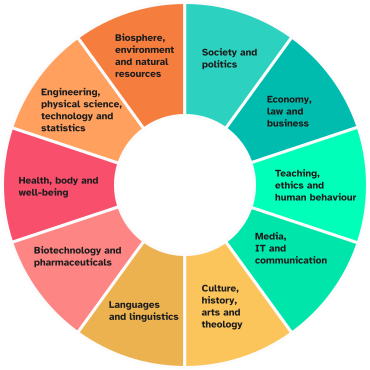
Study wheel
What interests you?
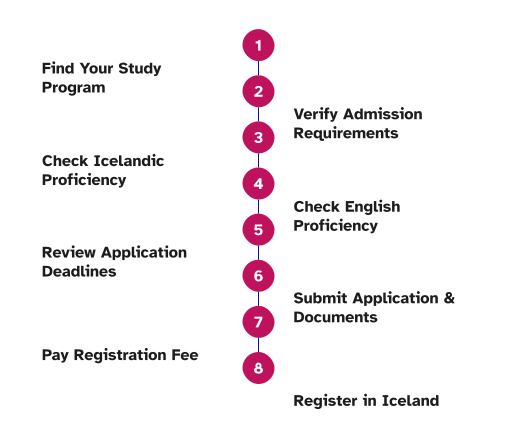
How to apply
Follow the path
Contact us If you still have questions, feel free to contact us.
University of Iceland at HólarHólar í HjaltadalMon - Thu 10 am - 12 pm and 12:30 - 2 pm and Fri 10 am - 12 pmGeneral Service and Social MediaThe UI Service Desk is a point of access for all services. You can drop in at the University Centre or use the WebChat at the bottom right of this page.
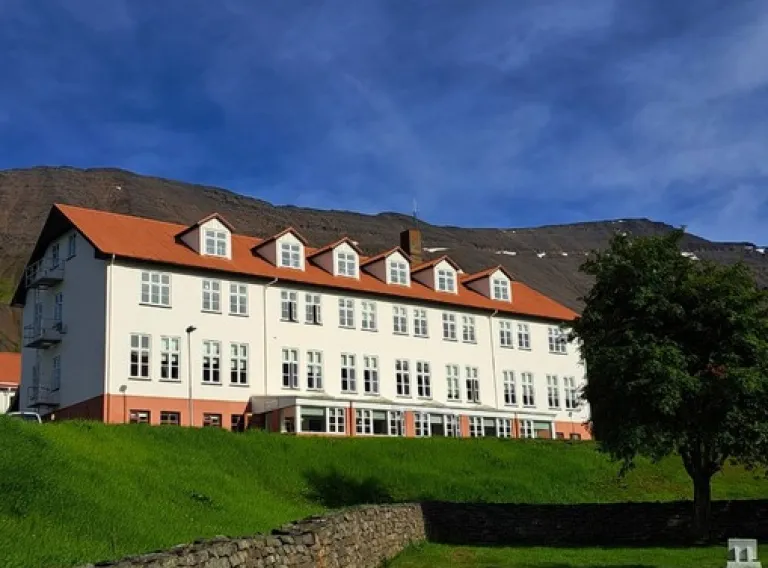
Share