Language skills
Programme length
Two years - 120 ECTS
Study mode
Blended learning
Application status
International students:
Students with Icelandic or Nordic citizenship:
- Are you interested in research and creating new knowledge about horses and equestrianism?
- Would you enjoy studying horse training and equine biology and behaviour in depth?
- Could you see yourself working in specialist roles, teaching or research?
This programme is taught in Icelandic.
Read more about the programme on the Icelandic version of the study programme page.
Applicants must hold a BSc degree in Equine Science (e.g., Riding and Riding Instruction), Agricultural Sciences, or Natural Sciences (e.g., Biology), with a minimum final grade of 6.5, or possess education and/or specialized professional experience assessed as equivalent to such a degree.
An individualised research-based Master of Science (M.S.) programme consists of 120 ECTS and is equivalent to two years of full-time study. The programme includes a master's thesis worth either 60 or 90 ECTS and coursework totalling 60 or 30 ECTS, respectively.
The following documents must accompany an application for this programme:
Further information on supporting documents can be found here
Programme structure
Check below to see how the programme is structured.
This programme does not offer specialisations.
- First year
- Fall
- Methods of scientific research
- MS thesis in Equine Science
- Spring 1
- MS thesis in Equine Science
- Statistics and data analysis
- Training physiology II
First year | Fall
Methods of scientific research (MSR1310120)
A mandatory (required) course for the programme
10 ECTS, credits
Course Description
The course covers the philosophical and ethical foundations of scientific work, and the basics of conducting scientific research, from writing a research proposal, designing research projects, to the collection, interpretation and oral and written presentation of scientific data. Lectures will deal with the philosophy and ethics of science, the scientific method and experimental design, including the difference between experiments and other research methods, hypothesis formation, pilot studies, replication, pseudoreplication, randomization, accuracy, and precision. Experimental design will also be related to common statistical methods. Emphasis is mainly on research in aquatic biology and aquaculture, but will reflect the research interests of students enrolled each time. The students read, present and criticize papers from the published scientific literature. The students will also conduct assignments related to (i) the philosophy and/or ethics of science, (ii) experimental design and procedures and (iii) statistical methods. The students will also hand in written exercises related to research proposal and/or a scientific paper, aimed at improving their scientific writing skills.
Language of instruction: English
Distance learning
First year | Fall
MS thesis in Equine Science (MAR5090210)
A mandatory (required) course for the programme
90 ECTS, credits
Course Description
The student selects the subject matter of the final project in consultation with the supervisor. The student must formulate research questions, choose appropriate and recognized research methods for data collection, and analyze the data. The student must ensure that they have obtained the necessary permission to conduct the research. They need to present the results systematically and clearly, interpret them, discuss them in debates, and draw conclusions. The student gains training in scientific writing by composing a thesis that includes an introduction (background section), content and methods, results, discussions, and conclusions. The student submits the work and defends it in a closed lecture for the examination board. If the student is given the opportunity to improve and revise the project after the defense, they deliver an open lecture and answer questions from the audience.
Language of instruction: Icelandic
Distance learning
Part of the total project/thesis credits
First year | Spring 1
Statistics and data analysis (TOG4106210)
A mandatory (required) course for the programme
6 ECTS, credits
Course Description
.
Language of instruction: Icelandic
Face-to-face learning
First year | Spring 1
Training physiology II (ÞLE4304210)
Free elective course within the programme
4 ECTS, credits
Course Description
.
Language of instruction: Icelandic
Face-to-face learning
- Second year
- Fall
- MS thesis in Equine Science
- Spring 1
- MS thesis in Equine Science
Second year | Fall
MS thesis in Equine Science (MAR5090210)
A mandatory (required) course for the programme
90 ECTS, credits
Course Description
The student selects the subject matter of the final project in consultation with the supervisor. The student must formulate research questions, choose appropriate and recognized research methods for data collection, and analyze the data. The student must ensure that they have obtained the necessary permission to conduct the research. They need to present the results systematically and clearly, interpret them, discuss them in debates, and draw conclusions. The student gains training in scientific writing by composing a thesis that includes an introduction (background section), content and methods, results, discussions, and conclusions. The student submits the work and defends it in a closed lecture for the examination board. If the student is given the opportunity to improve and revise the project after the defense, they deliver an open lecture and answer questions from the audience.
Language of instruction: Icelandic
Distance learning
Part of the total project/thesis credits
Second year | Spring 1
MS thesis in Equine Science (MAR5090210)
A mandatory (required) course for the programme
90 ECTS, credits
Course Description
The student selects the subject matter of the final project in consultation with the supervisor. The student must formulate research questions, choose appropriate and recognized research methods for data collection, and analyze the data. The student must ensure that they have obtained the necessary permission to conduct the research. They need to present the results systematically and clearly, interpret them, discuss them in debates, and draw conclusions. The student gains training in scientific writing by composing a thesis that includes an introduction (background section), content and methods, results, discussions, and conclusions. The student submits the work and defends it in a closed lecture for the examination board. If the student is given the opportunity to improve and revise the project after the defense, they deliver an open lecture and answer questions from the audience.
Language of instruction: Icelandic
Distance learning
Part of the total project/thesis credits
- Year unspecified
- Spring 1
- Scientific writing
- Year unspecified
- Conference Participation
- Conference Participation
Year unspecified | Spring 1
Scientific writing (VSK4406210)
Free elective course within the programme
6 ECTS, credits
Course Description
.
Language of instruction: Icelandic
Face-to-face learning
Year unspecified | Year unspecified
Conference Participation (RAD1602, RAD1602)
A mandatory (required) course for the programme
2/2 ECTS, credits
Course Description
Participation in a relevant conference, in consultation with the student's supervisor.
Language of instruction: English
Year unspecified | Year unspecified
Conference Participation (RAD1602, RAD1602)
A mandatory (required) course for the programme
2/2 ECTS, credits
Course Description
Participation in a relevant conference, in consultation with the student's supervisor.
Language of instruction: English
First year
- Fall
- MSR1310120Methods of scientific researchMandatory (required) course10A mandatory (required) course for the programme10 ECTS, creditsCourse Description
The course covers the philosophical and ethical foundations of scientific work, and the basics of conducting scientific research, from writing a research proposal, designing research projects, to the collection, interpretation and oral and written presentation of scientific data. Lectures will deal with the philosophy and ethics of science, the scientific method and experimental design, including the difference between experiments and other research methods, hypothesis formation, pilot studies, replication, pseudoreplication, randomization, accuracy, and precision. Experimental design will also be related to common statistical methods. Emphasis is mainly on research in aquatic biology and aquaculture, but will reflect the research interests of students enrolled each time. The students read, present and criticize papers from the published scientific literature. The students will also conduct assignments related to (i) the philosophy and/or ethics of science, (ii) experimental design and procedures and (iii) statistical methods. The students will also hand in written exercises related to research proposal and/or a scientific paper, aimed at improving their scientific writing skills.
Distance learningPrerequisitesMAR5090210MS thesis in Equine ScienceMandatory (required) course90A mandatory (required) course for the programme90 ECTS, creditsCourse DescriptionThe student selects the subject matter of the final project in consultation with the supervisor. The student must formulate research questions, choose appropriate and recognized research methods for data collection, and analyze the data. The student must ensure that they have obtained the necessary permission to conduct the research. They need to present the results systematically and clearly, interpret them, discuss them in debates, and draw conclusions. The student gains training in scientific writing by composing a thesis that includes an introduction (background section), content and methods, results, discussions, and conclusions. The student submits the work and defends it in a closed lecture for the examination board. If the student is given the opportunity to improve and revise the project after the defense, they deliver an open lecture and answer questions from the audience.
Distance learningPrerequisitesPart of the total project/thesis credits- Spring 2
MAR5090210MS thesis in Equine ScienceMandatory (required) course90A mandatory (required) course for the programme90 ECTS, creditsCourse DescriptionThe student selects the subject matter of the final project in consultation with the supervisor. The student must formulate research questions, choose appropriate and recognized research methods for data collection, and analyze the data. The student must ensure that they have obtained the necessary permission to conduct the research. They need to present the results systematically and clearly, interpret them, discuss them in debates, and draw conclusions. The student gains training in scientific writing by composing a thesis that includes an introduction (background section), content and methods, results, discussions, and conclusions. The student submits the work and defends it in a closed lecture for the examination board. If the student is given the opportunity to improve and revise the project after the defense, they deliver an open lecture and answer questions from the audience.
Distance learningPrerequisitesPart of the total project/thesis creditsTOG4106210Statistics and data analysisMandatory (required) course6A mandatory (required) course for the programme6 ECTS, creditsCourse Description.
Face-to-face learningPrerequisitesÞLE4304210Training physiology IIElective course4Free elective course within the programme4 ECTS, creditsCourse Description.
Face-to-face learningPrerequisites- Fall
- MAR5090210MS thesis in Equine ScienceMandatory (required) course90A mandatory (required) course for the programme90 ECTS, creditsCourse Description
The student selects the subject matter of the final project in consultation with the supervisor. The student must formulate research questions, choose appropriate and recognized research methods for data collection, and analyze the data. The student must ensure that they have obtained the necessary permission to conduct the research. They need to present the results systematically and clearly, interpret them, discuss them in debates, and draw conclusions. The student gains training in scientific writing by composing a thesis that includes an introduction (background section), content and methods, results, discussions, and conclusions. The student submits the work and defends it in a closed lecture for the examination board. If the student is given the opportunity to improve and revise the project after the defense, they deliver an open lecture and answer questions from the audience.
Distance learningPrerequisitesPart of the total project/thesis credits- Spring 2
MAR5090210MS thesis in Equine ScienceMandatory (required) course90A mandatory (required) course for the programme90 ECTS, creditsCourse DescriptionThe student selects the subject matter of the final project in consultation with the supervisor. The student must formulate research questions, choose appropriate and recognized research methods for data collection, and analyze the data. The student must ensure that they have obtained the necessary permission to conduct the research. They need to present the results systematically and clearly, interpret them, discuss them in debates, and draw conclusions. The student gains training in scientific writing by composing a thesis that includes an introduction (background section), content and methods, results, discussions, and conclusions. The student submits the work and defends it in a closed lecture for the examination board. If the student is given the opportunity to improve and revise the project after the defense, they deliver an open lecture and answer questions from the audience.
Distance learningPrerequisitesPart of the total project/thesis credits- Spring 2
- VSK4406210Scientific writingElective course6Free elective course within the programme6 ECTS, creditsCourse Description
.
Face-to-face learningPrerequisites- Year unspecified
RAD1602, RAD1602Conference ParticipationMandatory (required) course2/2A mandatory (required) course for the programme2/2 ECTS, creditsCourse DescriptionParticipation in a relevant conference, in consultation with the student's supervisor.
PrerequisitesRAD1602, RAD1602Conference ParticipationMandatory (required) course2/2A mandatory (required) course for the programme2/2 ECTS, creditsCourse DescriptionParticipation in a relevant conference, in consultation with the student's supervisor.
PrerequisitesSecond year- Fall
- MSR1310120Methods of scientific researchMandatory (required) course10A mandatory (required) course for the programme10 ECTS, creditsCourse Description
The course covers the philosophical and ethical foundations of scientific work, and the basics of conducting scientific research, from writing a research proposal, designing research projects, to the collection, interpretation and oral and written presentation of scientific data. Lectures will deal with the philosophy and ethics of science, the scientific method and experimental design, including the difference between experiments and other research methods, hypothesis formation, pilot studies, replication, pseudoreplication, randomization, accuracy, and precision. Experimental design will also be related to common statistical methods. Emphasis is mainly on research in aquatic biology and aquaculture, but will reflect the research interests of students enrolled each time. The students read, present and criticize papers from the published scientific literature. The students will also conduct assignments related to (i) the philosophy and/or ethics of science, (ii) experimental design and procedures and (iii) statistical methods. The students will also hand in written exercises related to research proposal and/or a scientific paper, aimed at improving their scientific writing skills.
Distance learningPrerequisitesMAR5090210MS thesis in Equine ScienceMandatory (required) course90A mandatory (required) course for the programme90 ECTS, creditsCourse DescriptionThe student selects the subject matter of the final project in consultation with the supervisor. The student must formulate research questions, choose appropriate and recognized research methods for data collection, and analyze the data. The student must ensure that they have obtained the necessary permission to conduct the research. They need to present the results systematically and clearly, interpret them, discuss them in debates, and draw conclusions. The student gains training in scientific writing by composing a thesis that includes an introduction (background section), content and methods, results, discussions, and conclusions. The student submits the work and defends it in a closed lecture for the examination board. If the student is given the opportunity to improve and revise the project after the defense, they deliver an open lecture and answer questions from the audience.
Distance learningPrerequisitesPart of the total project/thesis credits- Spring 2
MAR5090210MS thesis in Equine ScienceMandatory (required) course90A mandatory (required) course for the programme90 ECTS, creditsCourse DescriptionThe student selects the subject matter of the final project in consultation with the supervisor. The student must formulate research questions, choose appropriate and recognized research methods for data collection, and analyze the data. The student must ensure that they have obtained the necessary permission to conduct the research. They need to present the results systematically and clearly, interpret them, discuss them in debates, and draw conclusions. The student gains training in scientific writing by composing a thesis that includes an introduction (background section), content and methods, results, discussions, and conclusions. The student submits the work and defends it in a closed lecture for the examination board. If the student is given the opportunity to improve and revise the project after the defense, they deliver an open lecture and answer questions from the audience.
Distance learningPrerequisitesPart of the total project/thesis creditsTOG4106210Statistics and data analysisMandatory (required) course6A mandatory (required) course for the programme6 ECTS, creditsCourse Description.
Face-to-face learningPrerequisitesÞLE4304210Training physiology IIElective course4Free elective course within the programme4 ECTS, creditsCourse Description.
Face-to-face learningPrerequisites- Fall
- MAR5090210MS thesis in Equine ScienceMandatory (required) course90A mandatory (required) course for the programme90 ECTS, creditsCourse Description
The student selects the subject matter of the final project in consultation with the supervisor. The student must formulate research questions, choose appropriate and recognized research methods for data collection, and analyze the data. The student must ensure that they have obtained the necessary permission to conduct the research. They need to present the results systematically and clearly, interpret them, discuss them in debates, and draw conclusions. The student gains training in scientific writing by composing a thesis that includes an introduction (background section), content and methods, results, discussions, and conclusions. The student submits the work and defends it in a closed lecture for the examination board. If the student is given the opportunity to improve and revise the project after the defense, they deliver an open lecture and answer questions from the audience.
Distance learningPrerequisitesPart of the total project/thesis credits- Spring 2
MAR5090210MS thesis in Equine ScienceMandatory (required) course90A mandatory (required) course for the programme90 ECTS, creditsCourse DescriptionThe student selects the subject matter of the final project in consultation with the supervisor. The student must formulate research questions, choose appropriate and recognized research methods for data collection, and analyze the data. The student must ensure that they have obtained the necessary permission to conduct the research. They need to present the results systematically and clearly, interpret them, discuss them in debates, and draw conclusions. The student gains training in scientific writing by composing a thesis that includes an introduction (background section), content and methods, results, discussions, and conclusions. The student submits the work and defends it in a closed lecture for the examination board. If the student is given the opportunity to improve and revise the project after the defense, they deliver an open lecture and answer questions from the audience.
Distance learningPrerequisitesPart of the total project/thesis credits- Spring 2
- VSK4406210Scientific writingElective course6Free elective course within the programme6 ECTS, creditsCourse Description
.
Face-to-face learningPrerequisites- Year unspecified
RAD1602, RAD1602Conference ParticipationMandatory (required) course2/2A mandatory (required) course for the programme2/2 ECTS, creditsCourse DescriptionParticipation in a relevant conference, in consultation with the student's supervisor.
PrerequisitesRAD1602, RAD1602Conference ParticipationMandatory (required) course2/2A mandatory (required) course for the programme2/2 ECTS, creditsCourse DescriptionParticipation in a relevant conference, in consultation with the student's supervisor.
PrerequisitesYear unspecified- Fall
- MSR1310120Methods of scientific researchMandatory (required) course10A mandatory (required) course for the programme10 ECTS, creditsCourse Description
The course covers the philosophical and ethical foundations of scientific work, and the basics of conducting scientific research, from writing a research proposal, designing research projects, to the collection, interpretation and oral and written presentation of scientific data. Lectures will deal with the philosophy and ethics of science, the scientific method and experimental design, including the difference between experiments and other research methods, hypothesis formation, pilot studies, replication, pseudoreplication, randomization, accuracy, and precision. Experimental design will also be related to common statistical methods. Emphasis is mainly on research in aquatic biology and aquaculture, but will reflect the research interests of students enrolled each time. The students read, present and criticize papers from the published scientific literature. The students will also conduct assignments related to (i) the philosophy and/or ethics of science, (ii) experimental design and procedures and (iii) statistical methods. The students will also hand in written exercises related to research proposal and/or a scientific paper, aimed at improving their scientific writing skills.
Distance learningPrerequisitesMAR5090210MS thesis in Equine ScienceMandatory (required) course90A mandatory (required) course for the programme90 ECTS, creditsCourse DescriptionThe student selects the subject matter of the final project in consultation with the supervisor. The student must formulate research questions, choose appropriate and recognized research methods for data collection, and analyze the data. The student must ensure that they have obtained the necessary permission to conduct the research. They need to present the results systematically and clearly, interpret them, discuss them in debates, and draw conclusions. The student gains training in scientific writing by composing a thesis that includes an introduction (background section), content and methods, results, discussions, and conclusions. The student submits the work and defends it in a closed lecture for the examination board. If the student is given the opportunity to improve and revise the project after the defense, they deliver an open lecture and answer questions from the audience.
Distance learningPrerequisitesPart of the total project/thesis credits- Spring 2
MAR5090210MS thesis in Equine ScienceMandatory (required) course90A mandatory (required) course for the programme90 ECTS, creditsCourse DescriptionThe student selects the subject matter of the final project in consultation with the supervisor. The student must formulate research questions, choose appropriate and recognized research methods for data collection, and analyze the data. The student must ensure that they have obtained the necessary permission to conduct the research. They need to present the results systematically and clearly, interpret them, discuss them in debates, and draw conclusions. The student gains training in scientific writing by composing a thesis that includes an introduction (background section), content and methods, results, discussions, and conclusions. The student submits the work and defends it in a closed lecture for the examination board. If the student is given the opportunity to improve and revise the project after the defense, they deliver an open lecture and answer questions from the audience.
Distance learningPrerequisitesPart of the total project/thesis creditsTOG4106210Statistics and data analysisMandatory (required) course6A mandatory (required) course for the programme6 ECTS, creditsCourse Description.
Face-to-face learningPrerequisitesÞLE4304210Training physiology IIElective course4Free elective course within the programme4 ECTS, creditsCourse Description.
Face-to-face learningPrerequisites- Fall
- MAR5090210MS thesis in Equine ScienceMandatory (required) course90A mandatory (required) course for the programme90 ECTS, creditsCourse Description
The student selects the subject matter of the final project in consultation with the supervisor. The student must formulate research questions, choose appropriate and recognized research methods for data collection, and analyze the data. The student must ensure that they have obtained the necessary permission to conduct the research. They need to present the results systematically and clearly, interpret them, discuss them in debates, and draw conclusions. The student gains training in scientific writing by composing a thesis that includes an introduction (background section), content and methods, results, discussions, and conclusions. The student submits the work and defends it in a closed lecture for the examination board. If the student is given the opportunity to improve and revise the project after the defense, they deliver an open lecture and answer questions from the audience.
Distance learningPrerequisitesPart of the total project/thesis credits- Spring 2
MAR5090210MS thesis in Equine ScienceMandatory (required) course90A mandatory (required) course for the programme90 ECTS, creditsCourse DescriptionThe student selects the subject matter of the final project in consultation with the supervisor. The student must formulate research questions, choose appropriate and recognized research methods for data collection, and analyze the data. The student must ensure that they have obtained the necessary permission to conduct the research. They need to present the results systematically and clearly, interpret them, discuss them in debates, and draw conclusions. The student gains training in scientific writing by composing a thesis that includes an introduction (background section), content and methods, results, discussions, and conclusions. The student submits the work and defends it in a closed lecture for the examination board. If the student is given the opportunity to improve and revise the project after the defense, they deliver an open lecture and answer questions from the audience.
Distance learningPrerequisitesPart of the total project/thesis credits- Spring 2
- VSK4406210Scientific writingElective course6Free elective course within the programme6 ECTS, creditsCourse Description
.
Face-to-face learningPrerequisites- Year unspecified
RAD1602, RAD1602Conference ParticipationMandatory (required) course2/2A mandatory (required) course for the programme2/2 ECTS, creditsCourse DescriptionParticipation in a relevant conference, in consultation with the student's supervisor.
PrerequisitesRAD1602, RAD1602Conference ParticipationMandatory (required) course2/2A mandatory (required) course for the programme2/2 ECTS, creditsCourse DescriptionParticipation in a relevant conference, in consultation with the student's supervisor.
Prerequisites
Additional information The University of Iceland collaborates with over 400 universities worldwide. This provides a unique opportunity for UI students to pursue a part of their studies abroad, gain valuable international experience, and strengthen their position in the job market.
Opportunities
Study abroad is always subject to faculty approval.
Requirements
Students can only apply for study abroad if their study programme is at least:
- 90 ECTS credits for undergraduate programmes
- 60 ECTS credits for graduate programmes
Recognition
Students can get courses taken abroad recognised towards their degree at UI so the mobility does not have to prolong the studies at UI. Students must agree with their faculty on the recognition of courses before the start of the mobility by signing a learning agreement.
An education in this area can open up opportunities in:
- Research in equine science
- Teaching in upper secondary schools or universities
- Specialist roles in equestrianism and horse training
- Consulting services for horse farms, businesses or organisations
- Development and innovation in equestrianism
- Roles at horse-related institutions or organisations
This list is not exhaustive
Students at the University of Iceland at Hólar are encouraged to build relationships by getting to know each other during on-site teaching blocks and taking the initiative to organise student social events within their faculty.
Students of the University of Iceland at Hólar will receive student cards and discounts in line with other students within the University System.
University of Iceland students frequently meet in the Student Cellar, and UI at Hólar students are encouraged to do the same where possible.
Students' comments  Students appreciate the University of Iceland for its strong academic reputation, modern campus facilities, close-knit community, and affordable tuition.
Helpful content 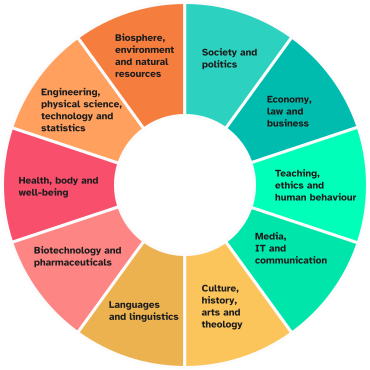
Study wheel
What interests you?
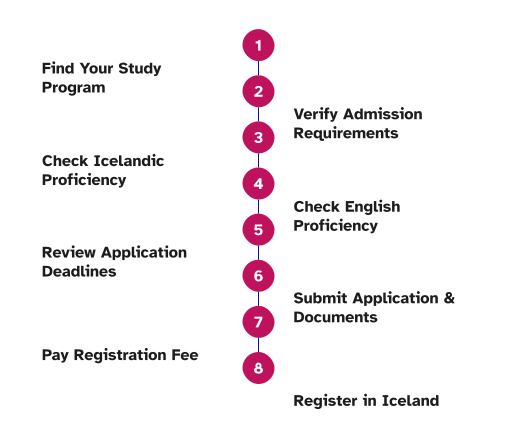
How to apply
Follow the path
Contact us If you still have questions, feel free to contact us.
University of Iceland at HólarHólar í HjaltadalMon - Thu 10 am - 12 pm and 12:30 - 2 pm and Fri 10 am - 12 pmGeneral Service and Social MediaThe UI Service Desk is a point of access for all services. You can drop in at the University Centre or use the WebChat at the bottom right of this page.
Share