""
Language skills
required, minimum level of B2
Programme length
1 years.
Study mode
Face-to-face learning
Application status
International students:
Students with Icelandic or Nordic citizenship:
Overview

  • Are you interested in writing?
  • Do you enjoy working with words?
  • Do you enjoy stories, poems and plays?
  • Do you want training in practical writing skills?
  • Do you want to open up future opportunities in challenging careers?

This is a 60 ECTS minor that complements a major in any other subject.

The programme aims to help students develop their talents and prepare them for graduate studies in various fields, e.g. in creative writing. Writing talents are highly valued in most areas of our society.

Course topics include:

  • Writing skills
  • Language use
  • Theory of literature
  • Online writing
  • Translation

The programme focuses on the communication of creative ideas through various written genres, e.g. poems, short stories, novels, literary translations, plays, articles and any other forms that students can find or invent.

The programme is both practical and artistic in nature. Students receive guidance in the basic principles of creative writing, e.g. working methods, creative thinking, structure, perspective, register and style.

Objectives

The programme aims to help students develop their talents and prepare them for graduate studies in various fields, e.g. in creative writing. Writing talents are highly valued in most areas of our society.

Icelandic matriculation examination (stúdentspróf) or equivalent qualification. Further information can be found in article 17, regulation on admission requirements for undergraduate study no. 331/2022.

Students taking creative writing as a 60 ECTS minor are required to complete 40 ECTS in workshops and the course ÍSL111G Theory of Literature (or ABF104G Literary Methods & Concepts). Students shall complete 10 ECTS in courses other than workshops.


Workshops: Students shall complete at least 40 ECTS in creative writing workshops. There are two pathways when it comes to creative writing workshops. On one hand, there are conventional workshops (marked in the course catalogue as RITxxxG Workshop: Course Title or ÍSRxxxG Writing Skills: Course Title), i.e. practical courses where students produce their own material and receive guidance. Students may also complete 10 workshop ECTS through literature courses where creative writing students complete assignments fully or partially in the form of creative compositions rather than academic papers. Students must ask the instructor to approve this arrangement at the beginning of the semester.


Theory of Literature: All creative writing students should complete the course ÍSL111G Theory of Literature, or a comparable course in comparative literature (ABF104G Literary Methods & Concepts). Students will learn various concepts that will be used in the workshops.


Elective courses: Courses other than workshops and Theory of Literature. Students may take courses from any faculty at the School of Humanities, or even from outside the School. Students are therefore free to pursue their own special interests.

If the student has completed ABF104G Literary Methods & Concepts or ÍSL111G Theory of Literature in his/her major, the study requirements in writing as a minor are as follows: The student must take 40 credits in workshops and 20 credits in electives. No less than 10 credits of elective courses must be in the form of a theoretical course (not a workshop).

Programme structure

Check below to see how the programme is structured.

This programme does not offer specialisations.

Year unspecified | Fall
Translation (ÍSE502G)
Restricted elective course, conditions apply
10 ECTS, credits
Course Description

The course in an introduction to translation, the history of translation and translation theory. Students will become acquainted with the main concepts and theories in the field. The basics of interpretation will also be dealt with. The course consists of two parts: The theoretical and historical part is in the form of lectures and discussions. The teacher also provides a reading list. Assessment is in the form of an exam or an essay, based on the reading material. The practical part is based on seminars where students gain practice in translating (both literary translation and applied translation) as well as translation criticism. Assessment is based on written assignment(s). Students of Icelandic as a Second Language must have completed all courses of the first and second year.

Language of instruction: Icelandic
Face-to-face learning
Prerequisites
Year unspecified | Fall
Writing skills: Academic Writing (ÍSR301G)
Restricted elective course, conditions apply
10 ECTS, credits
Course Description

This is a basic composition course. Writing skills will be honed through regular assignments, lectures, class discussions and workshops.Approaches to writing research papers will be addressed, such as choosing and narrowing a topic, structure, and sources. Register, style, spelling, punctuation, and resources for writers will be discussed. Students write essays and papers of various kinds and get regular feedback from peers and teachers. Course assessment is based on written assignments and class participation. The course can only be passed if all assignments are turned in.

Language of instruction: Icelandic
Face-to-face learning
Online learning
Year unspecified | Fall
Fiction Writing (RIT203G)
Restricted elective course, conditions apply
10 ECTS, credits
Course Description

A workshop on writing fictional prose, focusing primarily on flash fiction and short stories. Participants will draft stories to be presented to the group and thoroughly discussed with the aim of improving them. The workshop will cover short story structure, point of view, stylistic devices, character development, and other relevant aspects. Participants will regularly submit writing exercises and read published stories of various kinds, along with instructional texts. Attendance at all sessions and active participation are expected.

Language of instruction: Icelandic
Face-to-face learning
Prerequisites
Year unspecified | Fall
Theory of Literature (ÍSL111G)
A mandatory (required) course for the programme
10 ECTS, credits
Course Description

This course is an introduction to literary theory, its terms and methods. Students are trained in analysing literary texts, poems, prose and drama. 

Language of instruction: Icelandic
Face-to-face learning
Year unspecified | Spring 1
Writing skill: Creative Science Communication (ÍSR401G)
Restricted elective course, conditions apply
10 ECTS, credits
Course Description

The class is taught in Icelandic.  In this course, students get a chance to hone their writing skills. Students will hand in regular writing assignments where they practise different ways of presenting scholarly work in a creative manner, such as op-eds and creative nonfiction. Students will also write creative texts, such as short stories. Students can use material from their field of study but will also have to face new challenges. Classes will be in the form of lectures, discussions, and workshops. Assessment will be based on regular assignments, self-assessment, a midterm assignment, a final assignment, a portfolio, and attendance and participation. Attendance and participation make up 15% of the grade and is partly mandatory (8 out of 12 workshops). The course is open to all undergraduate students at the University of Iceland but students must themselves make sure that the course can be used for credit in their particular studies.

Online learning:

The course is organized as face-to-face learning but all lectures from teachers will be recorded. This is done to assure better access to the course. Students who do not attend class will listen to the lectures and write short reports. They also turn in assignments otherwise done in class.

Language of instruction: Icelandic
Face-to-face learning
Online learning
Year unspecified | Spring 1
Workshop: TV Series (RIT407G)
Restricted elective course, conditions apply
10 ECTS, credits
Course Description

Since 2000 the popularity of TV series has exploded. New streaming services keep popping up and the hunger for content seems endless. However, TV series can be very different in form and structure. Six episodes? Eight episodes? Thirty or fifty minutes? This course looks at different TV series forms and examines how they are built. Basic concepts of screenwriting and TV writing are introduced. The course is a workshop and the emphasis will be on the participants‘ exercises and work. In the beginning the student will start with an idea and then develop it in the direction of a TV series.

Language of instruction: Icelandic
Year unspecified
  • Fall
  • ÍSE502G
    Translation
    Restricted elective course
    10
    Restricted elective course, conditions apply
    10 ECTS, credits
    Course Description

    The course in an introduction to translation, the history of translation and translation theory. Students will become acquainted with the main concepts and theories in the field. The basics of interpretation will also be dealt with. The course consists of two parts: The theoretical and historical part is in the form of lectures and discussions. The teacher also provides a reading list. Assessment is in the form of an exam or an essay, based on the reading material. The practical part is based on seminars where students gain practice in translating (both literary translation and applied translation) as well as translation criticism. Assessment is based on written assignment(s). Students of Icelandic as a Second Language must have completed all courses of the first and second year.

    Face-to-face learning
    Prerequisites
  • ÍSR301G
    Writing skills: Academic Writing
    Restricted elective course
    10
    Restricted elective course, conditions apply
    10 ECTS, credits
    Course Description

    This is a basic composition course. Writing skills will be honed through regular assignments, lectures, class discussions and workshops.Approaches to writing research papers will be addressed, such as choosing and narrowing a topic, structure, and sources. Register, style, spelling, punctuation, and resources for writers will be discussed. Students write essays and papers of various kinds and get regular feedback from peers and teachers. Course assessment is based on written assignments and class participation. The course can only be passed if all assignments are turned in.

    Face-to-face learning
    Online learning
    Prerequisites
  • RIT203G
    Fiction Writing
    Restricted elective course
    10
    Restricted elective course, conditions apply
    10 ECTS, credits
    Course Description

    A workshop on writing fictional prose, focusing primarily on flash fiction and short stories. Participants will draft stories to be presented to the group and thoroughly discussed with the aim of improving them. The workshop will cover short story structure, point of view, stylistic devices, character development, and other relevant aspects. Participants will regularly submit writing exercises and read published stories of various kinds, along with instructional texts. Attendance at all sessions and active participation are expected.

    Face-to-face learning
    Prerequisites
  • ÍSL111G
    Theory of Literature
    Mandatory (required) course
    10
    A mandatory (required) course for the programme
    10 ECTS, credits
    Course Description

    This course is an introduction to literary theory, its terms and methods. Students are trained in analysing literary texts, poems, prose and drama. 

    Face-to-face learning
    Prerequisites
  • Spring 2
  • ÍSR401G
    Writing skill: Creative Science Communication
    Restricted elective course
    10
    Restricted elective course, conditions apply
    10 ECTS, credits
    Course Description

    The class is taught in Icelandic.  In this course, students get a chance to hone their writing skills. Students will hand in regular writing assignments where they practise different ways of presenting scholarly work in a creative manner, such as op-eds and creative nonfiction. Students will also write creative texts, such as short stories. Students can use material from their field of study but will also have to face new challenges. Classes will be in the form of lectures, discussions, and workshops. Assessment will be based on regular assignments, self-assessment, a midterm assignment, a final assignment, a portfolio, and attendance and participation. Attendance and participation make up 15% of the grade and is partly mandatory (8 out of 12 workshops). The course is open to all undergraduate students at the University of Iceland but students must themselves make sure that the course can be used for credit in their particular studies.

    Online learning:

    The course is organized as face-to-face learning but all lectures from teachers will be recorded. This is done to assure better access to the course. Students who do not attend class will listen to the lectures and write short reports. They also turn in assignments otherwise done in class.

    Face-to-face learning
    Online learning
    Prerequisites
  • RIT407G
    Workshop: TV Series
    Restricted elective course
    10
    Restricted elective course, conditions apply
    10 ECTS, credits
    Course Description

    Since 2000 the popularity of TV series has exploded. New streaming services keep popping up and the hunger for content seems endless. However, TV series can be very different in form and structure. Six episodes? Eight episodes? Thirty or fifty minutes? This course looks at different TV series forms and examines how they are built. Basic concepts of screenwriting and TV writing are introduced. The course is a workshop and the emphasis will be on the participants‘ exercises and work. In the beginning the student will start with an idea and then develop it in the direction of a TV series.

    Prerequisites

The timetable shown below is for the current academic year and is FOR REFERENCE ONLY.

Changes may occur for the autumn semester in August and September and for the spring semester in December and January. You will find your final timetable in Ugla when the studies start.

Note! This timetable is not suitable for planning your work schedule if you are a part-time employee.

Additional information

The University of Iceland collaborates with over 400 universities worldwide. This provides a unique opportunity to pursue part of your studies at an international university thus gaining added experience and fresh insight into your field of study.

Students generally have the opportunity to join an exchange programme, internship, or summer courses. However, exchanges are always subject to faculty approval.

Students have the opportunity to have courses evaluated as part of their studies at the University of Iceland, so their stay does not have to affect the duration of their studies.

Writing skills are highly valued in our society and good writers are attractive to employers for jobs that require delivery of clear, presentable text.

An education in this area can open up opportunities in:

  • Copywriting
  • Media
  • Publishing
  • Academia
  • Other writing

This list is not exhaustive.

The student organisation for Icelandic and general linguistics is called Mímir.

  • Mímir organises an active social calendar and advocates for members
  • For example, Mímir organises an annual gala and workplace tours.

More about the UI student's social life

Students' comments
Ástrós Elísdóttir
I continue to thrive in creative writing, the most enjoyable and rewarding study I have ever encountered. The quality of education is top-notch, and the network and friendships formed around the programme are invaluable.
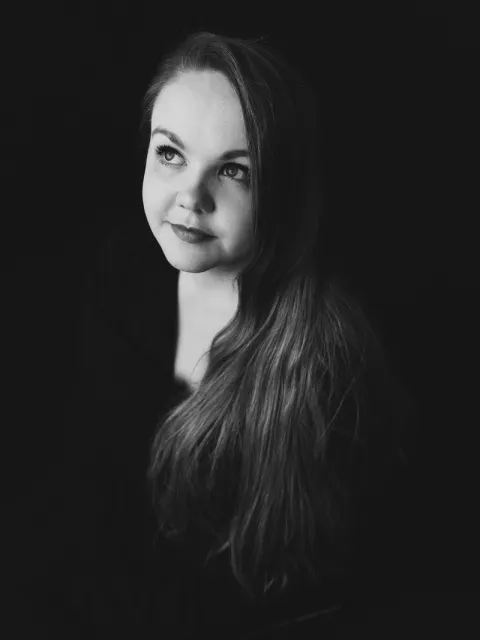
Portrait photo of Rebekka Sif Stefánsdóttir
The creative writing programme provided the discipline, motivation, and inspiration to pursue writing. The supportive environment and strong community were invaluable. I highly recommend it for aspiring writers.
Helpful content
Aurora Cooperation

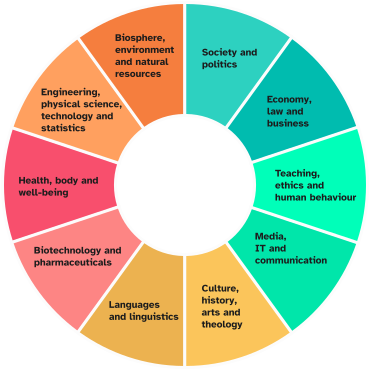
Study wheel

What interests you?

Aurora Cooperation

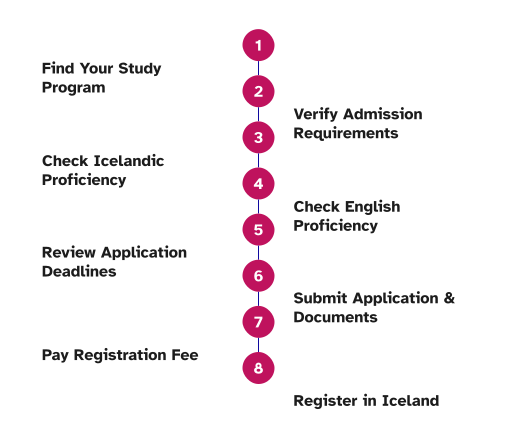
How to apply

Follow the path

Contact us

If you still have questions, feel free to contact us.

School of Humanities
Weekdays: 10-12 am and 1-3 pm
General Service and Social Media

The Service Desk is a point of access for all services. You can drop in at the University Centre or use the WebChat at the bottom right of this page.

Follow the School of Humanities on Instagram,   Youtube
and Facebook

""

Share

Did this help?

Why wasn't this information helpful

Limit to 250 characters.