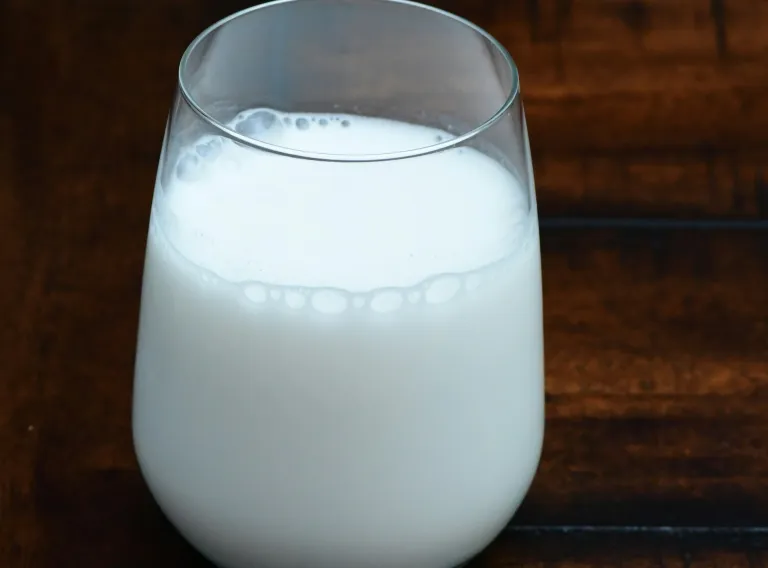
A team of scientists at the University of Iceland is currently studying the chemical composition of Icelandic milk, with the aim of gaining a better understanding of the A2 type of beta-casein protein and the potential health benefits of Icelandic milk over other dairy products.
The study is part of Didar Farid Kareen Al-Shateri’s doctoral research in nutrition at the Faculty of Food Science and Nutrition and is led by María Guðjónsdóttir, professor at the same faculty. The project was awarded a grant from the University of Iceland Research Fund for 2025-2027.
“Previous research indicates that cow’s milk from traditional Nordic breeds, including Icelandic cows, contains a higher than typical percentage of A2 beta-casein proteins. Consuming milk that is rich in A2 beta-casein proteins is believed to be associated with various health benefits,” says María.
A2 milk may be a healthier option
Research into this form of beta-casein has been growing in recent years and A2 milk has increasingly been marketed as a healthier option in neighbouring countries. “Because of growing international interest in the potential health benefits of A2 milk, we were inspired to examine the composition of beta-casein types in Icelandic milk,” says María.
But what exactly are these health benefits? “Milk has been an important part of the Icelandic diet for centuries as it is full of nutritious ingredients such as minerals and vitamins. A2 milk is believed to be easier to digest than other kinds of milk, meaning it is less likely to cause bloating, irregular bowel movements, diarrhoea and flatulence. It also supports the steady absorption of nutrients during digestion and affects the release of beta-casomorphine-7 – BCM-7,” explains María.
BCM-7 is a bioactive peptide that is formed when A1 proteins are digested and can cause inflammation. A2 milk, with all the important nutrients found in dairy, would be more accessible to consumers who are sensitive to the more traditional dairy products on the market.
“This is why it’s important to look at the chemical composition of Icelandic milk and find out whether it could potentially be used to produce Icelandic A2 dairy products. Production would depend on the findings of more detailed research into potential health benefits,” says María.
The downside, however, is that higher levels of A2 beta-casein proteins have been linked to various technical difficulties with milk processing, for example reduced curdling for cheese and yoghurt production. “So it’s also important to look at how we could overcome these barriers to developing and manufacturing A2 dairy products by optimising handling and process control.”
Effective collaboration
As previously mentioned, this project is part of Didar Farid Kareen Al-Shateri’s doctoral research. María and Bryndís Eva Birgisdóttir, both professors at the Faculty of Food Science and Nutrition, are her supervisors. María is also the leader of the project. Members of the doctoral committee are Hildur Inga Sveinsdóttir, lecturer at the Faculty of Food Science and Nutrition and project manager at Matís, and Dr Björn S. Gunnarsson, director of research and product development at MS.
The study is conducted as a collaboration between the UI Faculty of Food Science and Nutrition, MS Iceland Dairies and Matís, bringing scientists and food industry professionals together to powerful effect. These parties have previously collaborated successfully on various research projects related to milk and dairy products. Strong ties between the University community and the food industry are extremely important and have led to significant advances in quality and production processes.
“Didar’s contributions strengthen the collaboration still further, thanks to her background in veterinary science and Master's degree in nutrition. She has taken a particular interest in the chemical composition and potential health benefits of dairy products,” says María.