Irma Erlingsdóttir delivering a speech at the meeting.

“Gender equality has regressed considerably worldwide in recent years with increased political polarisation,” says Irma Jóhanna Erlingsdóttir, Professor at the University of Iceland and Director of GRÓ Gender Equality Studies and Training Programme, GRÓ GEST. GRÓ GEST is an international master’s study and training programme at the University of Iceland, which is a part of GRÓ – Centre for Capacity Development, Sustainability and Societal Change, like its Fisheries Training Programme, Land Restoration Programme and Geothermal Training Programme.

Irma Erlingsdóttir has worked in the field of gender equality, research and international policymaking for years and has led the development of specialised education in international gender equality studies at UI for participants from all over the world. Irma and her colleagues’ success led to her being named one of the world’s 100 most influential people in gender equality. The list was published by Apolitical, an international platform and knowledge network for professionals working in public administration and policymaking. One of Apolitical’s goals is to support civil servants, experts, and leaders in the public sector across national borders.

Dark Times for Gender Equality Worldwide

In an interview on UI’s website, Irma paints a serious picture when asked about the current state of gender equality worldwide. In her view, it cannot be taken for granted that development will automatically move toward greater social justice or broader rights.

After decades of progress in the rights of women and marginalised groups, a resurgence of ideas that run counter to fundamental human rights and equality standards is now evident. She refers to a UN Women report published to mark the 30th anniversary of the 1995 Beijing Conference on Women. At that conference, the world's nations committed themselves to achieving full legal equality between women and men. Despite certain milestones, the report shows that significant obstacles remain and that, in many places, there has been a backlash. Thus, health services for women have been undermined, particularly in relation to sexual health and maternal care. Violence against women in connection with armed conflicts has also increased significantly; in 2023, wars affected more than half as many women as they did fifteen years earlier.

“Equality should never be taken for granted,” Irma says. “The gains we’ve made can be reversed if we fail to protect them.” 
She argues that in several countries, political leaders have actively rolled back gender equality for political purposes, slashing funding and dismantling related initiatives. At the international level, disputes over definitions and commitments to gender equality are deepening. Meanwhile, opposition to equality itself has become increasingly vocal, with terms such as gender, diversity, and inclusion now frequently met with distrust.

In light of these developments, she argues that it is essential to support research, strengthen knowledge, and reinforce institutions, while continuing to engage in international cooperation based on human rights and equality.
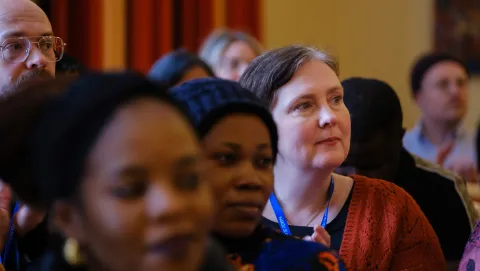
 

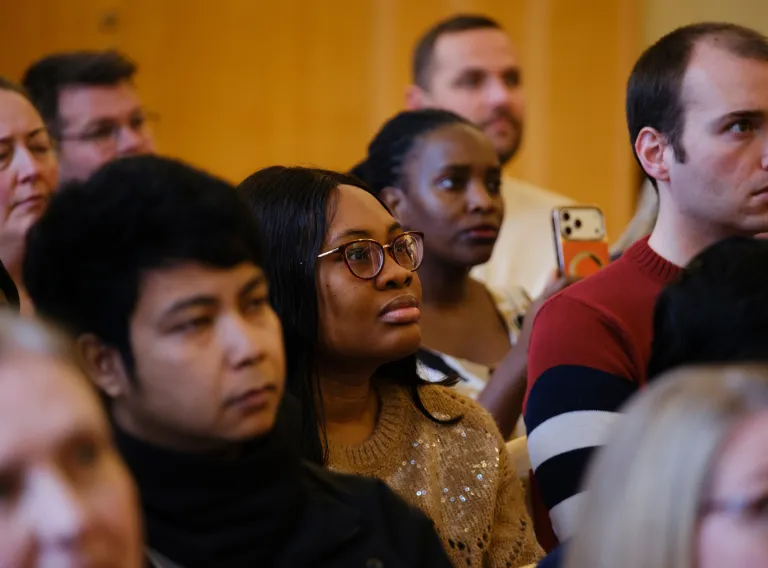
Guasts at the meeting.
Guests at the GRÓ GEST meeting, "From knowledge to development impact". IMAGE/Kristinn Ingvarsson

From Knowledge to Development Impact

We met Irma in connection with an open event held in the University of Iceland’s Ceremonial Hall, titled “From Knowledge to Development Impact: Attacks on Equality (https://hi.is/vidburdir/fra_thekkingu_til_throunarahrifa_adfor_ad_jafnretti).” The event was organised by GRÓ – Centre for Capacity Development, Sustainability and Societal Change, the GRÓ Gender Equality Studies & Training Programme, and Iceland’s Ministry for Foreign Affairs in cooperation with the Institute of International Affairs at the University of Iceland. The event highlighted the work of the GRÓ Gender Equality Studies and Training Programme (GRÓ GEST), which Irma directs.

The programme’s activities are designed to advance gender equality and social justice in low- and middle-income countries, including those affected by conflict or in post-conflict settings. The initiative aligns with Iceland’s broader development cooperation priorities, which stress the importance of strong institutions, inclusive governance, and the protection of human rights as cornerstones of a healthy society.

The Gender Equality Studies and Training Programme aims to build the capacity of professionals in governments, institutions, and grassroots movements to lead meaningful change in their societies. Irma emphasises that gender equality cannot be achieved through international policymaking alone. “Progress in this field requires expertise, analytical skills, and leadership,” she says.
 

Many guests attended the meeting.

Each year, professionals from public administration, universities, grassroots initiatives, and key institutions come to Iceland to participate in the programme, gaining the tools and knowledge needed to drive change in policymaking, legislation, budgeting, education systems, and community projects.

“Programmes like the Gender Equality Studies & Training Programme have a tangible impact because they combine theoretical knowledge with practical application. Their effects extend beyond individual skills, fostering institutional improvements such as better data collection, more targeted policymaking, and greater capacity to analyse and address inequality.” 

Over the long term, this contributes to stronger democratic governance and more sustainable development.

A Classroom Where Lived Experiences Meet

When asked what students learn from one another, Irma explains that the programme is a master’s-level course at the University of Iceland. Its uniqueness lies in the students’ diverse backgrounds and the strong focus on close interaction and teamwork. 

Students come from a wide range of academic disciplines and professions — lawyers, teachers, public administration specialists, activists, doctors, nurses, agricultural scientists, engineers, and politicians — most of whom have already worked on gender equality issues before coming to Iceland.

“One of the most valuable aspects of international study programmes like the GRÓ Gender Equality Studies and Training Programme is that knowledge is created among the students themselves,” Irma explains. “This kind of learning cannot be delivered through lectures alone. When people from different parts of the world and diverse cultural backgrounds come together, they can reassess established ideas and explore how power structures and culture shape solutions to social challenges.”

Irma adds that this experience fosters deeper listening, critical thinking, professional humility—and courage. “Many participants say they leave feeling less afraid to try new approaches when they return home”

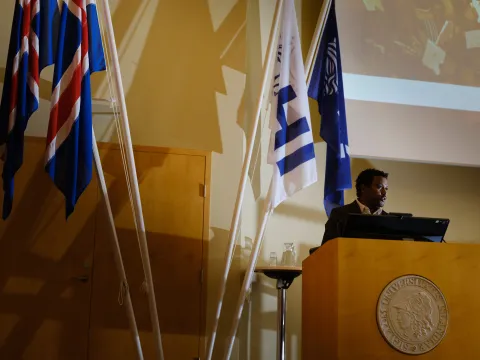
Yeshiwas Degu Belay delivering the keynote speech.
At the meeting in the Ceremonial Hall, GRÓ GEST students shared their experiences and spoke about the programme's importance. Yeshiwas Degu Belay, former GRÓ GEST student and PhD student delivered the keynote speech. IMAGE/Kristinn Ingvarsson.

Equality and Societal Development

Irma emphasises that gender equality cannot be considered in isolation from economic and social development. “Equality is fundamental to economic growth, social stability, and overall well-being,” she says.

She explains that when everyone’s skills, education, and experience are fully valued and put to use, both innovation and productivity increase, strengthening the foundations of the economy. Societies that prioritise equality also tend to have more robust institutions, greater social trust, and lower levels of tension. “In my work with GRÓ GEST, I have repeatedly seen that integrating gender equality into policy and decision-making makes interventions both more targeted and lasting,” she adds.

A Long-Term Process that Requires Responsibility

When asked what needs to be done in the coming years to ensure progress in gender equality isn’t stalled, Irma stresses that there is no single solution—it requires the interplay of multiple factors.

“First, political will and clear accountability are essential,” she says. Legal frameworks and policies matter, but without proper implementation, funding, and regular follow-up, the goals remain meaningless.

“Second, institutional capacity and knowledge must be strengthened.” Research and expert education are crucial, enabling informed decisions and effective responses to evolving challenges. Gender equality demands the same professionalism and expertise as any other area of public policymaking.

“Finally, we need a public debate that is fact-based, respectful, and inclusive. Irma emphasises that as debates around gender equality grow more misinformed and polarised, evidence-based dialogue is the only way forward.

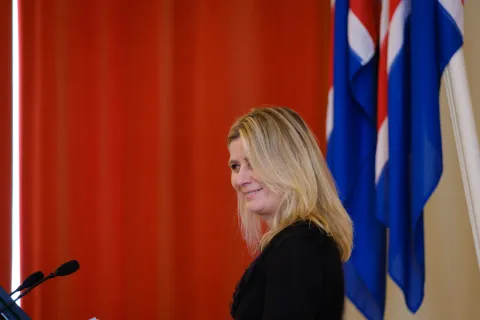
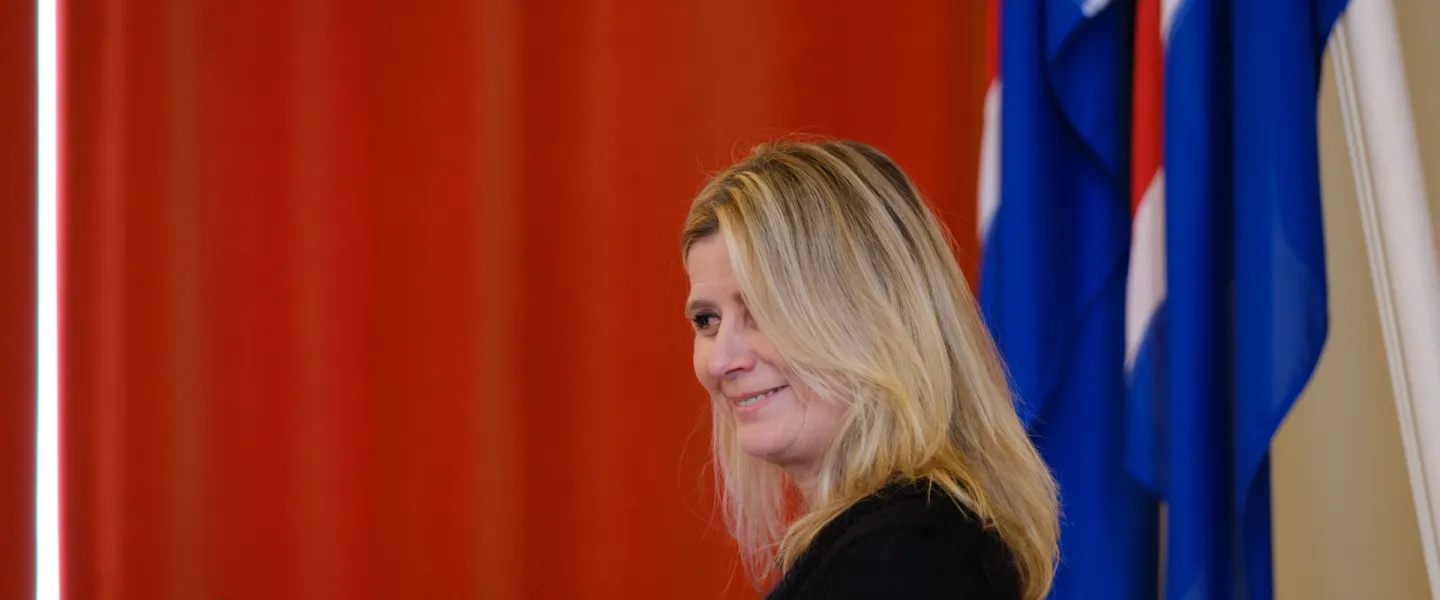
Irma Erlingsdóttir delivering a speech at the meeting.
“Gender equality has regressed considerably worldwide in recent years with increased political polarisation,” said Irma Jóhanna Erlingsdóttir, Professor at the University of Iceland, at the meeting. IMAGE/Kristinn Ingvarsson

Share

Tags
Did this help?

Why wasn't this information helpful

Limit to 250 characters.