There’s something special about the shore in Iceland, especially now when spring is banishing winter from the calendar. The sea is still there like it has been all winter, but somehow it is breathing differently, and the birds are returning home – and the beach is effectively their saviour. They flutter and amble around the beach, sticking their beaks into the sand looking for food. Under the surface, everything teems with life most of us pass over without noticing.
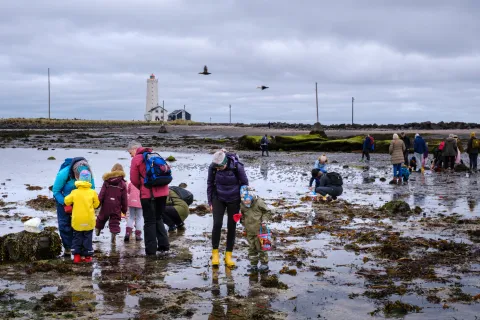
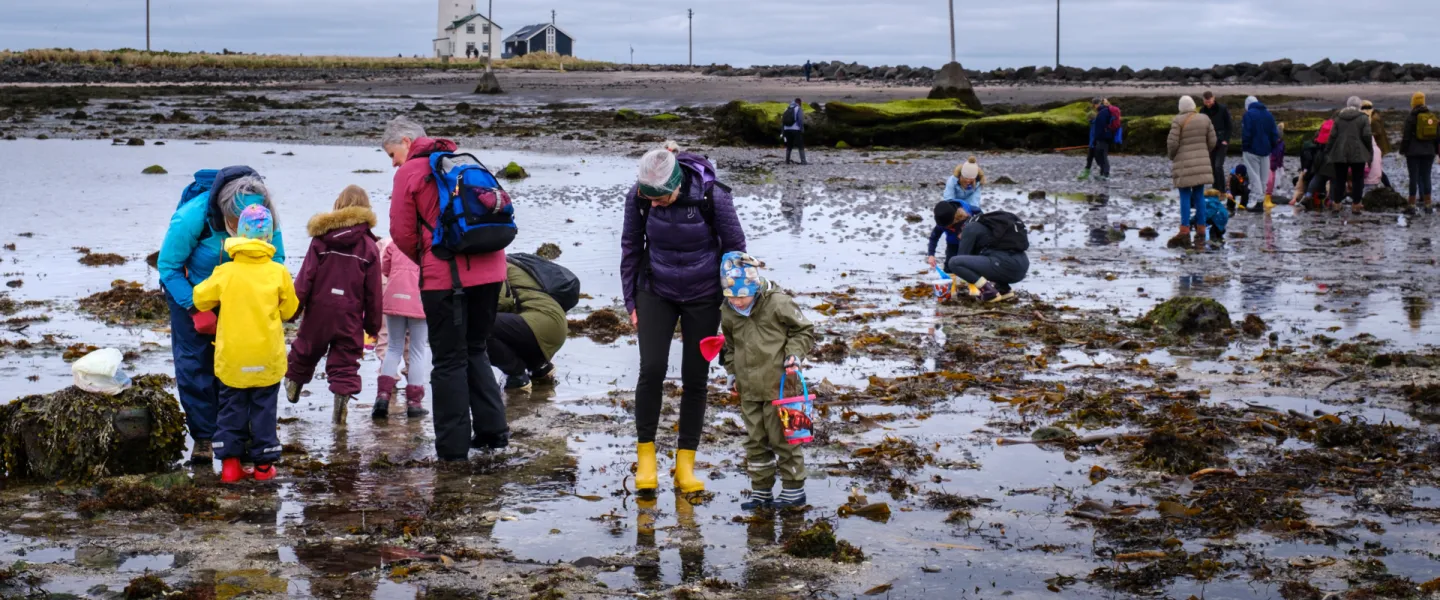
However, that won’t be the case on Sunday, 26 April. That’s when Grótta will turn into a living, open-air laboratory. The University of Iceland and the Children's Touring Association invite you on a walk on the Grótta shore, where curiosity will lead the way – and where asking questions is not only permitted but necessary. This won’t be just a regular walk, but rather a discovery made possible by scientists from UI. Biology students, who can read nature like we read books, will join the walk, and Ólafur Patrick Ólafsson, expert, teacher and science communicator, will guide the tour. Guides from the Children's Touring Association will also be there.
Grótta opens up a magnificent world
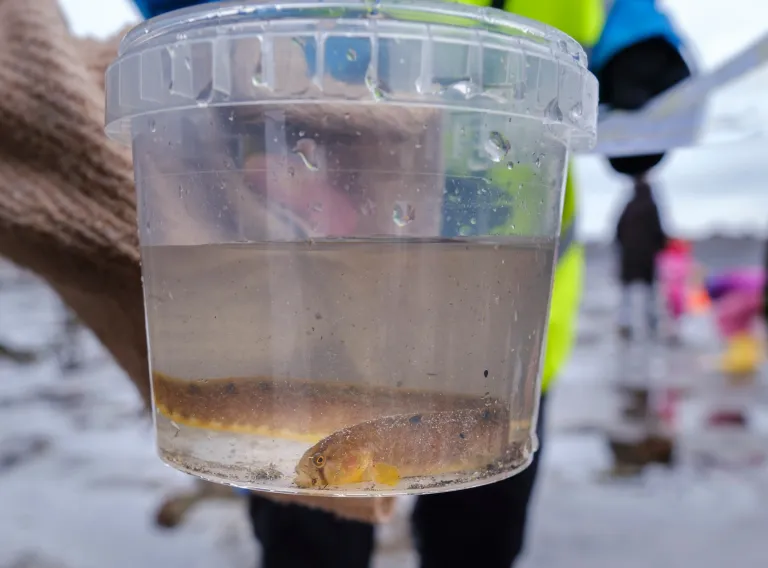
Grótta beach is one of those beautiful places in the capital area that at first sight don’t look very complex – a lighthouse, seaweed, sand and sea – but on closer inspection, a whole world emerges. Stones are hiding places that reveal everything when flipped over. Puddles become small ecosystems, and suddenly you start seeing movement, life, and a nexus where before there seemed to be only seaweed and jagged rock.
At Grótta beach, you can spot sand hoppers darting about, along with crabs and sea snails, and a rich ecosystem that shifts with every passing wave. The birds are the icing on the cake — waders in constant motion, newly arrived from long journeys and on their way to their breeding grounds. Their time along the shore is far more urgent than ours, as they are there simply to refuel for nesting.
This is also the last opportunity for a while to experience Grótta like this. On 1 May, the nesting season starts, and the area will be closed. This gives the walk a certain depth, as this moment only returns after a whole year.