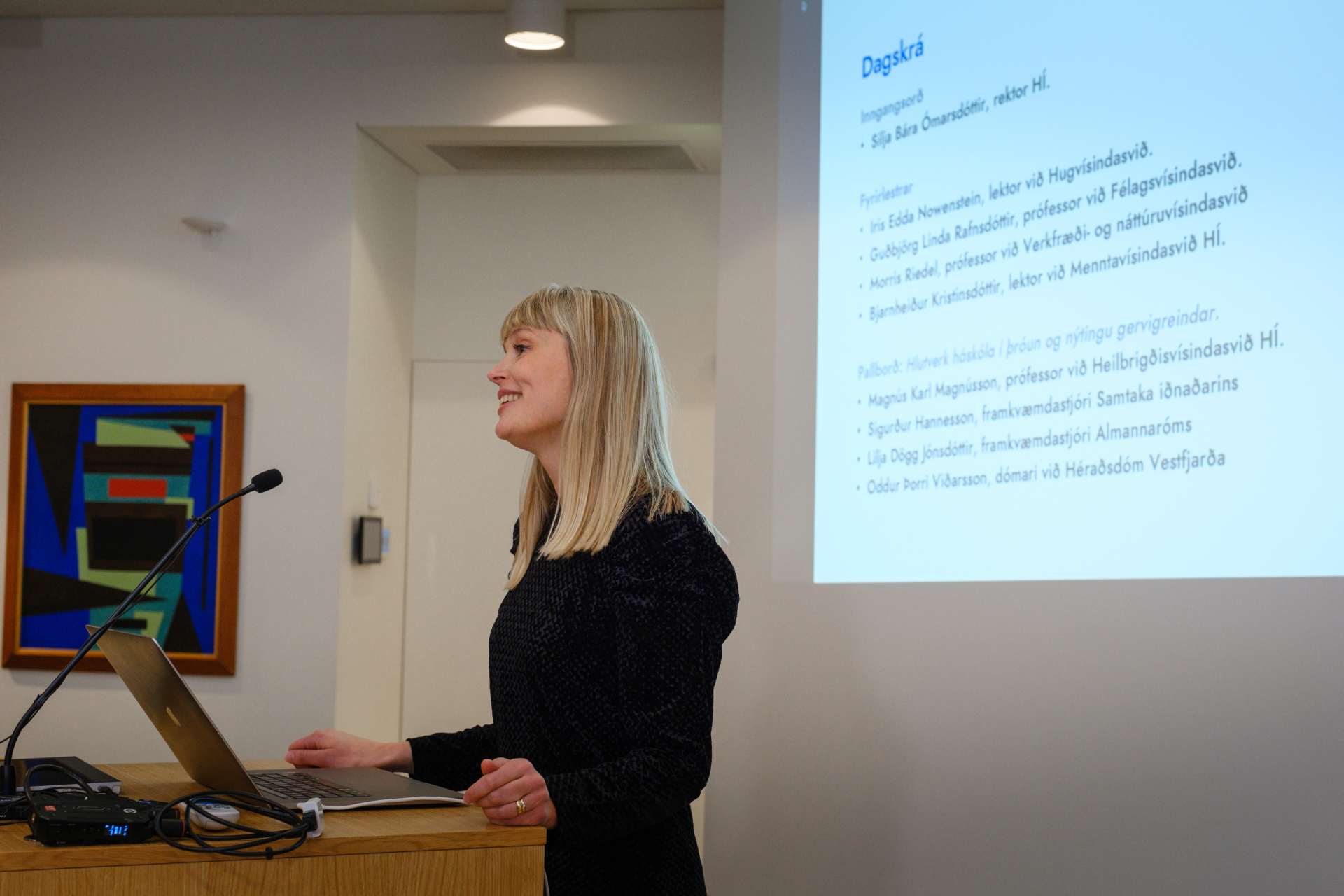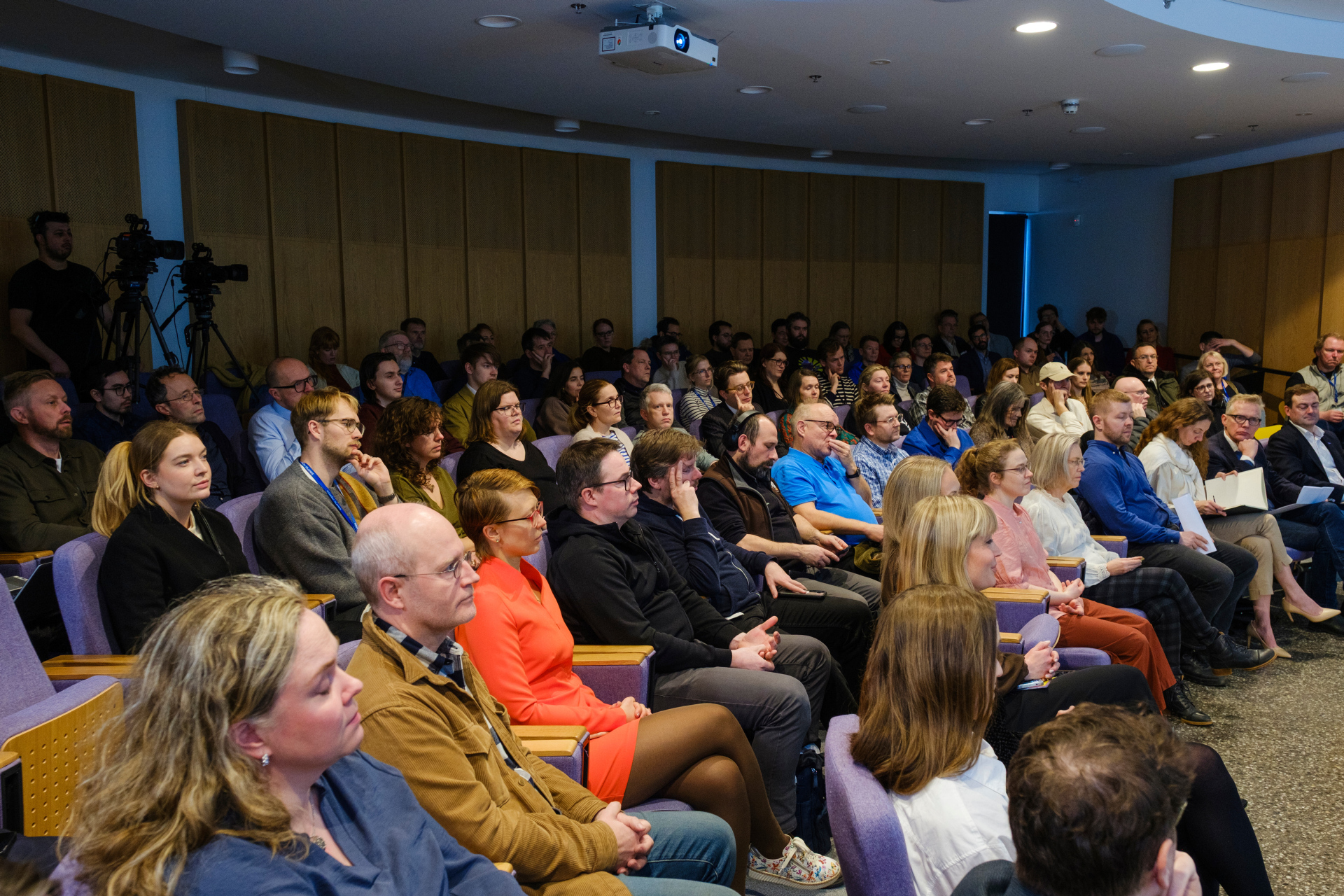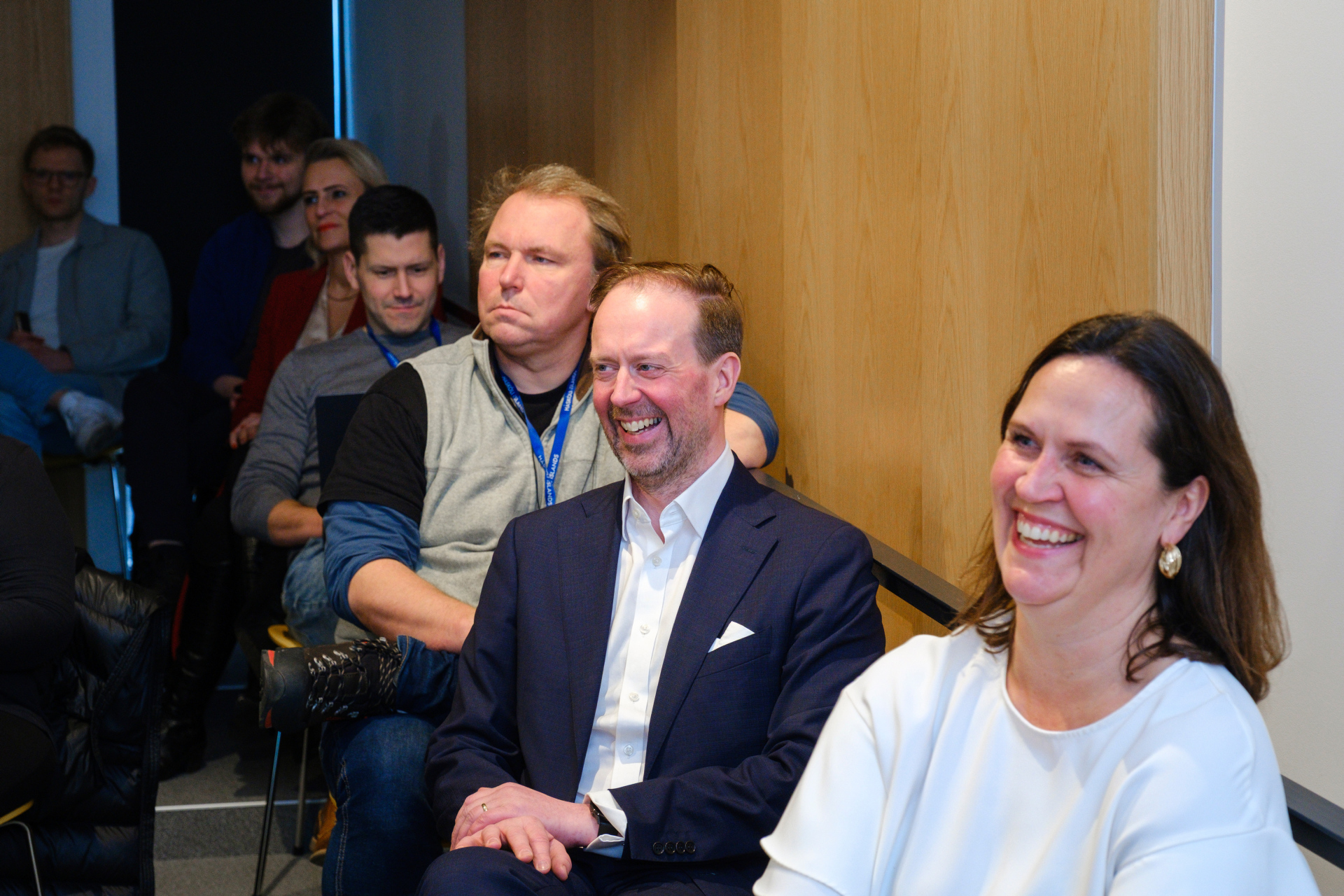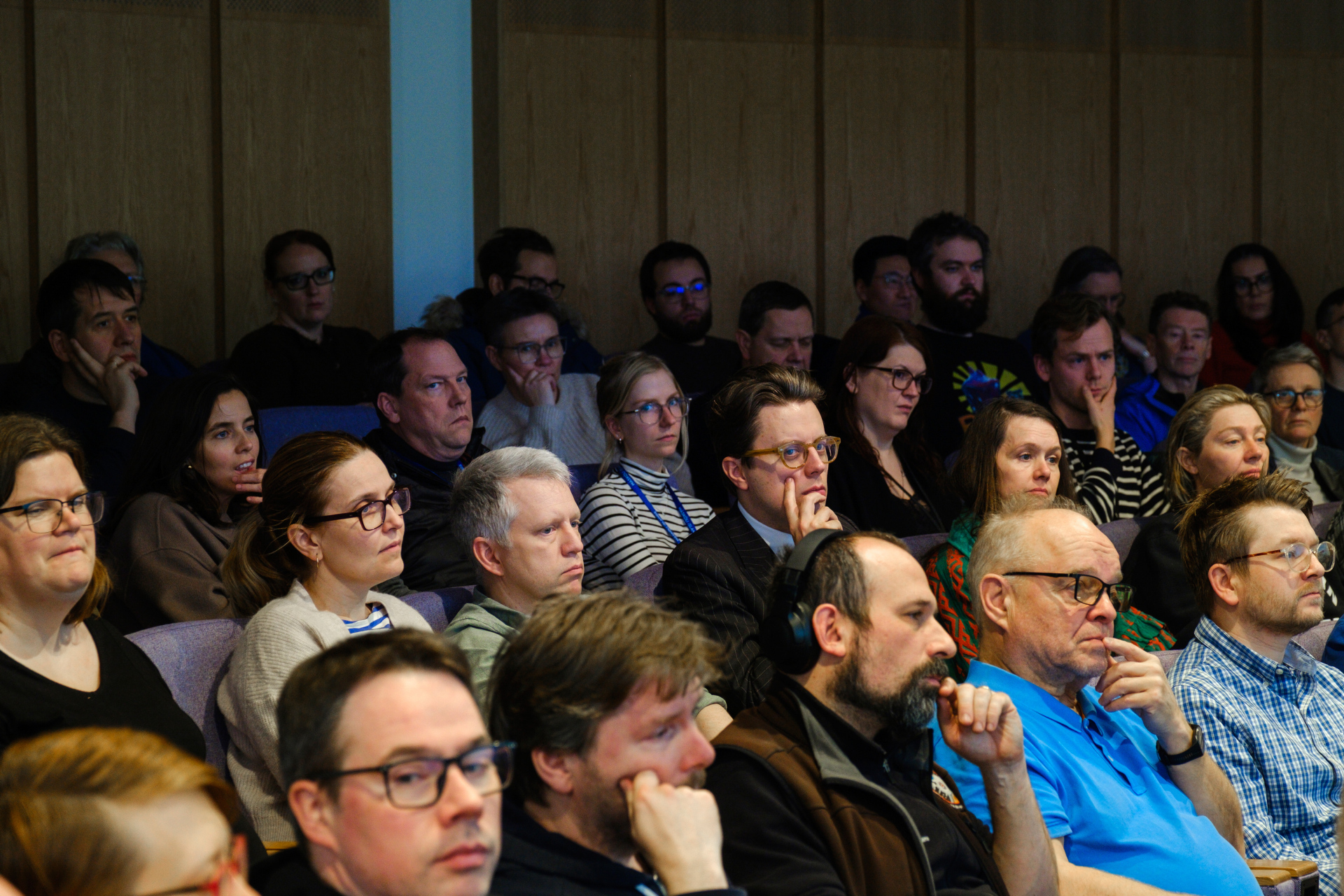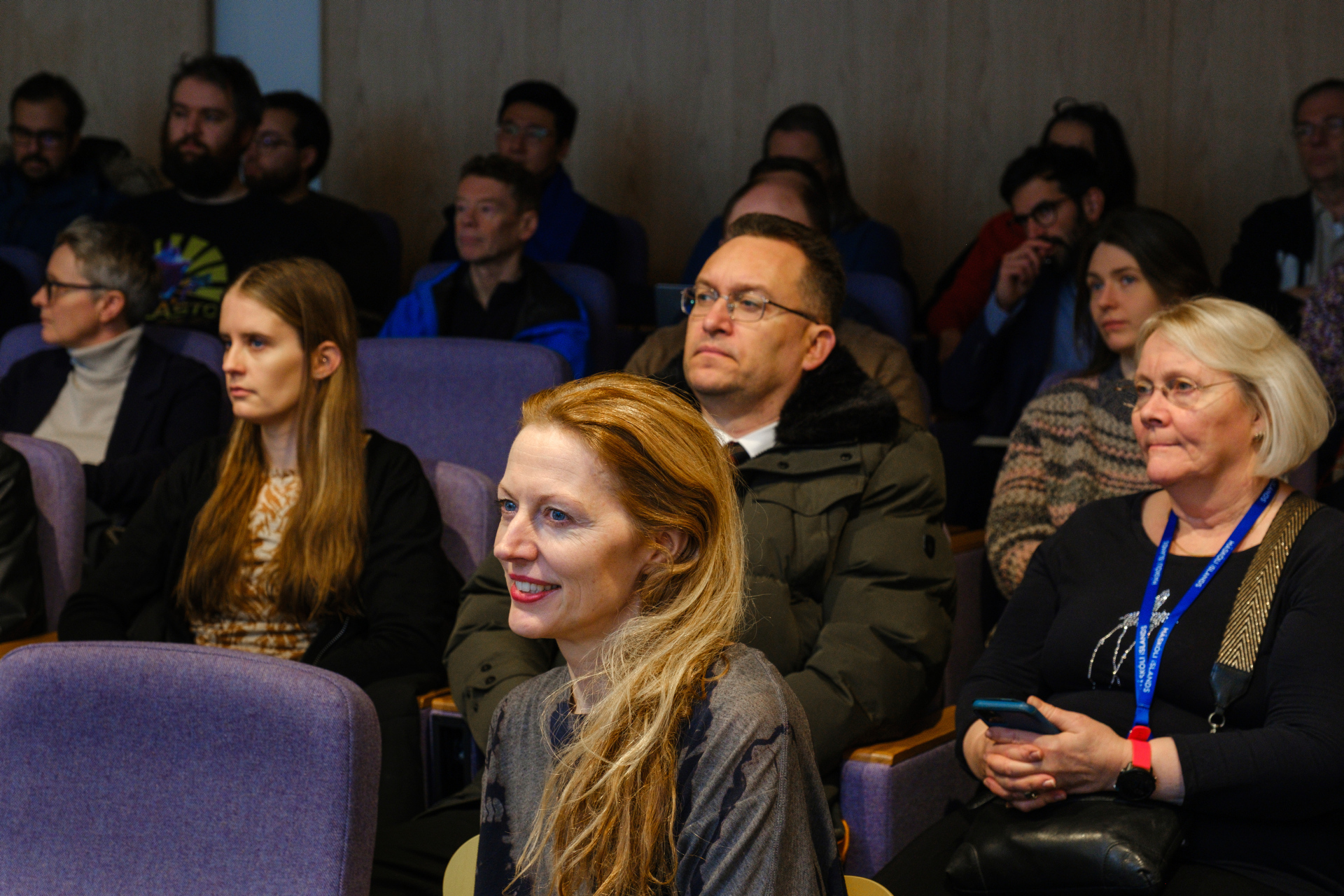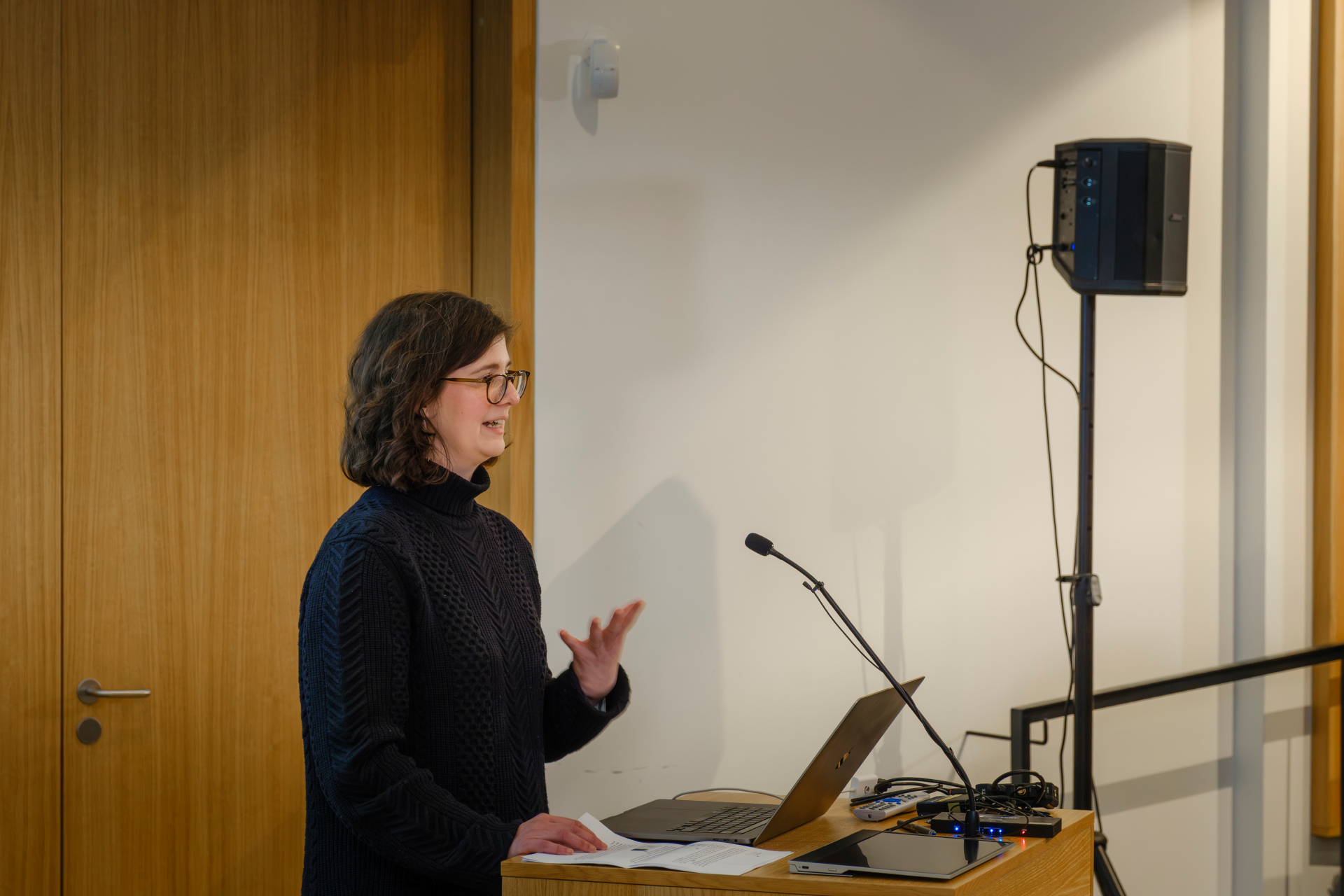
The UI Centre for Artificial Intelligence was formally opened today, intended to serve as a multidisciplinary forum for collaboration in research and development in the field of artificial intelligence and data science and a platform to share information with the public. The Centre will also encourage dialogue about how we can use these new technologies in a responsible way.
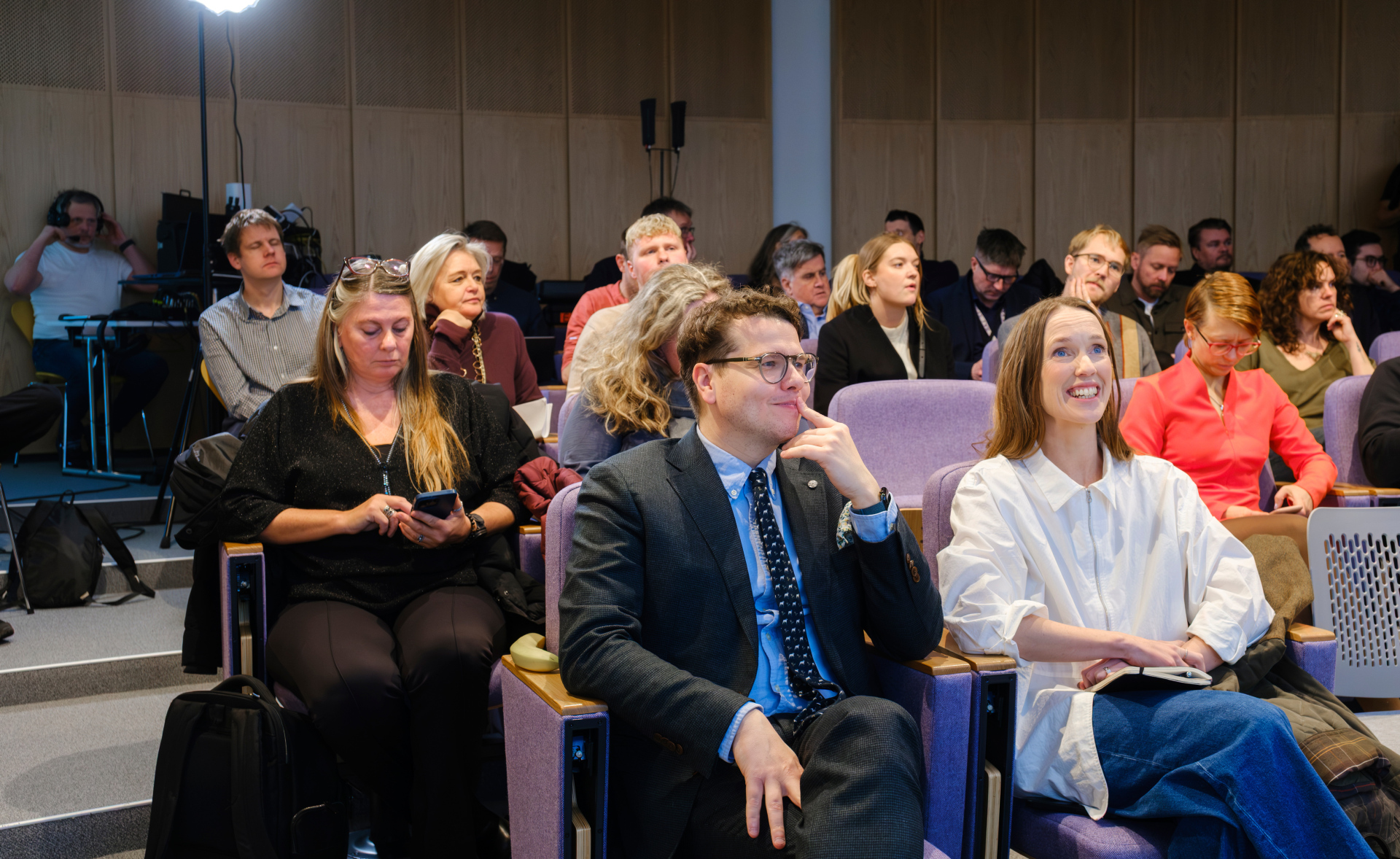
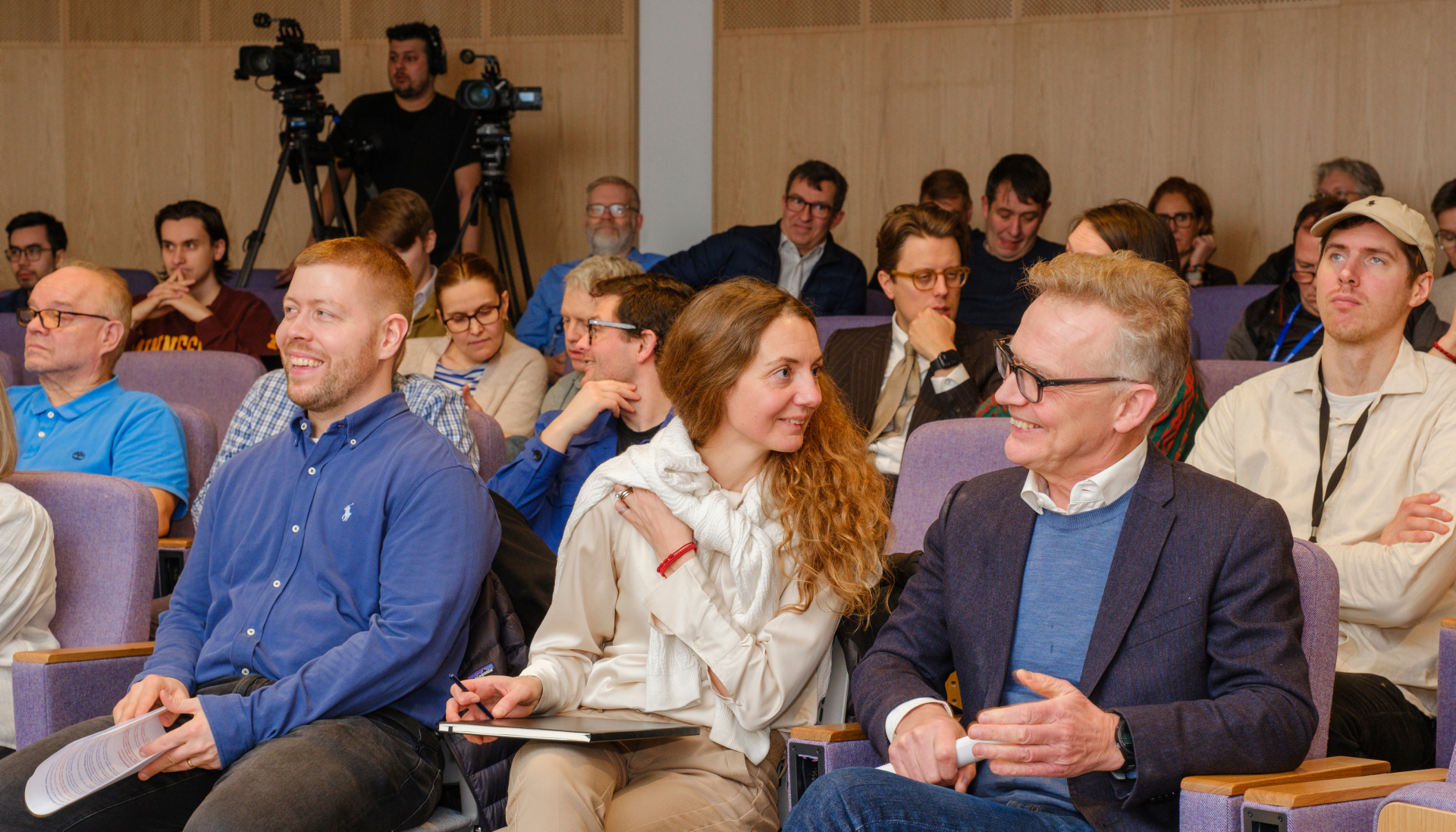
At the opening of the new Centre today, UI academics from a range of fields delivered talks about their research, all connected to AI or data science in some way. There was also a panel discussion about the role of universities in the development and use of AI with representatives from UI, NGOs, industry and other public institutions.
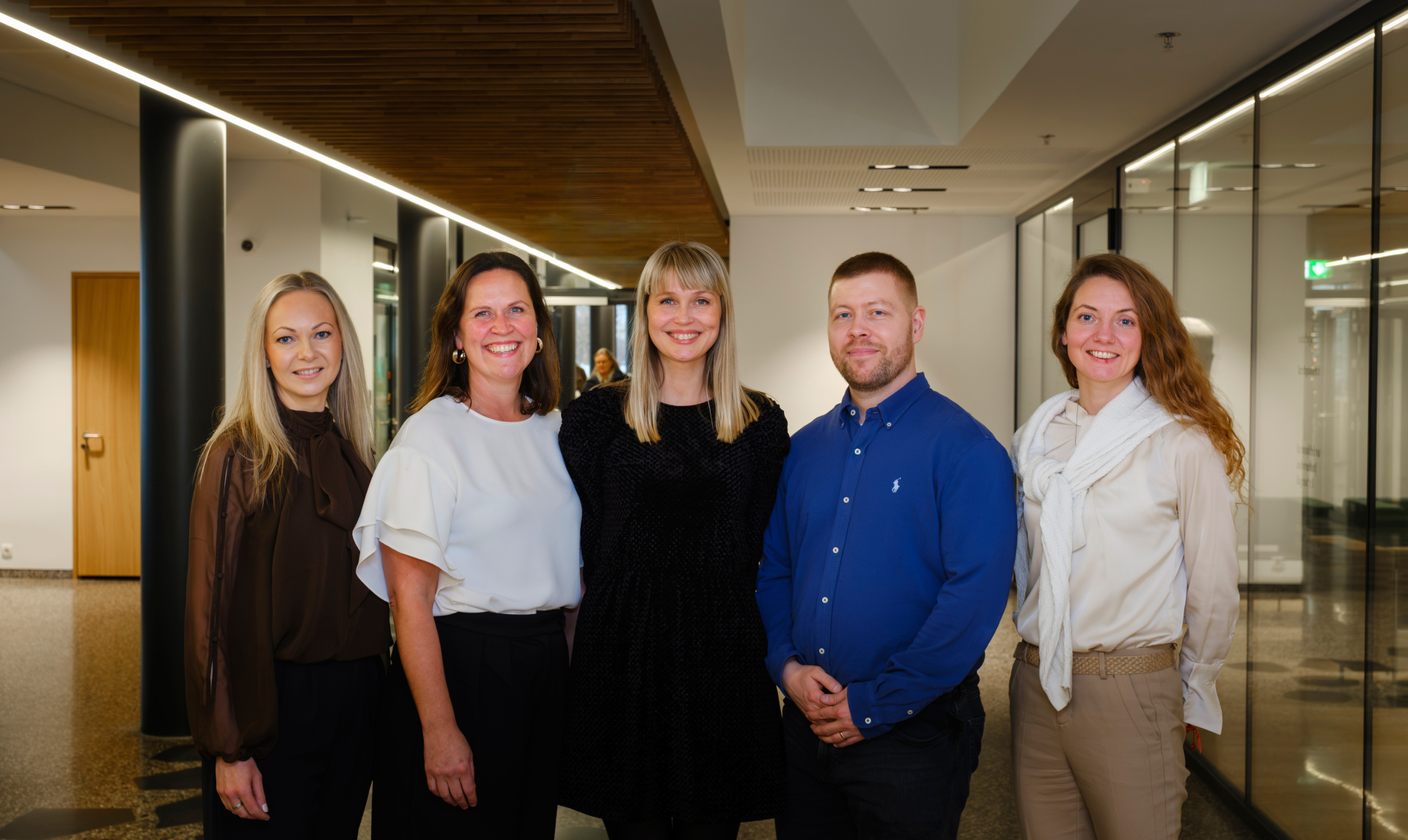
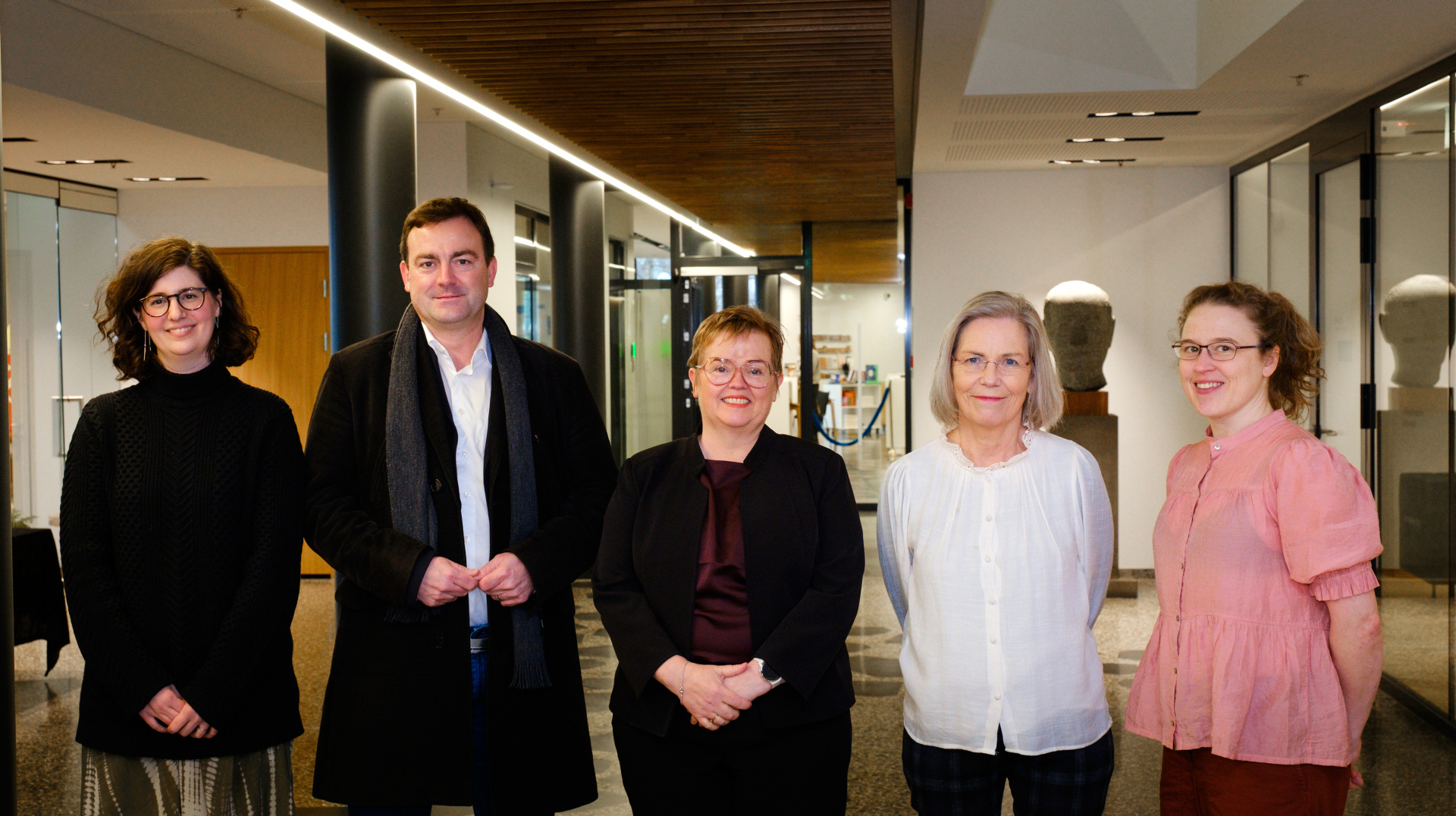
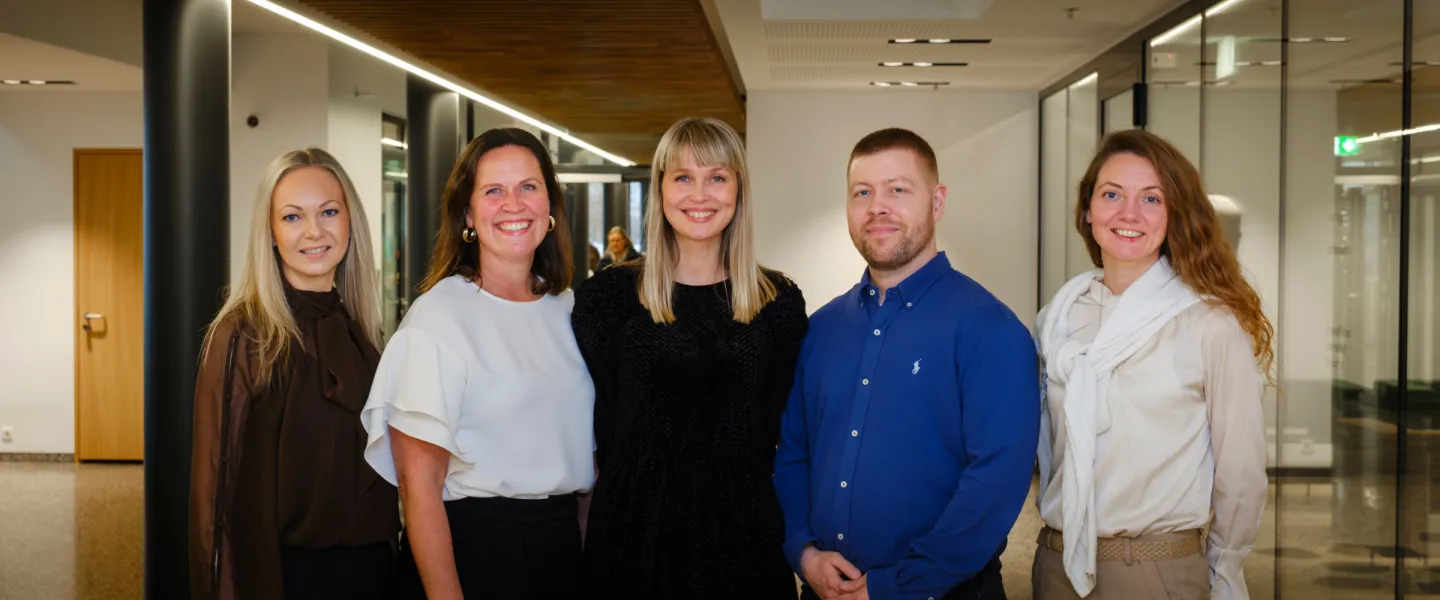
It was Sigrún Helga Lund, professor of statistics, who first had the idea to revive and re-imagine the UI Statistics Centre where she had worked as a doctoral student. She was joined by Hafsteinn Einarsson, senior lecturer in computer science, Lotta María Ellingsen, professor of electrical and computer engineering, Hrefna Dögg Gunnarsdóttir, lecturer in law, and Elías Rafn Heimisson, research lecturer in geophysics. Together, they began to plan a new research centre, focused on AI and data science. The project was immediately well received and funding was approved. Stefanía Benónísdóttir, research lecturer at the UI Institute of Physical Sciences, has now been hired to run the new Centre.
“All researchers at the University of Iceland working on projects related to data science or artificial intelligence are invited to become members of the Centre for AI. By supporting research and learning in these fields, the Centre for AI will create a vibrant research community that encourages innovation and social progress,” says Stefanía. Already, around 50 UI researchers have joined.
She points out that the Centre will also boost the profile of researchers and make it easier for governments and businesses to seek expert academic advice on AI and data science. “The Centre will also work in a targeted way to make it easier for graduate students to get involved with practical research projects. Finally, the Centre will create a multidisciplinary forum for critical and responsible dialogue on AI, where we can talk openly and objectively about both opportunities and challenges,” says Stefanía.
Stefanía is herself working on a study about sampling bias, situations where the data does not reflect a group or reality in the way that we believe. “Since AI is based on data, bias like this can easily lead to inaccurate conclusions and misinterpretations. My research looks at the data-related challenges that we need to keep in mind when developing and using AI technologies,” says Stefanía.
To learn more about the Centre for AI and the researchers involved on the centre´s website. The website also includes a podcast about AI and technology.
Photos from the opening can be found below.