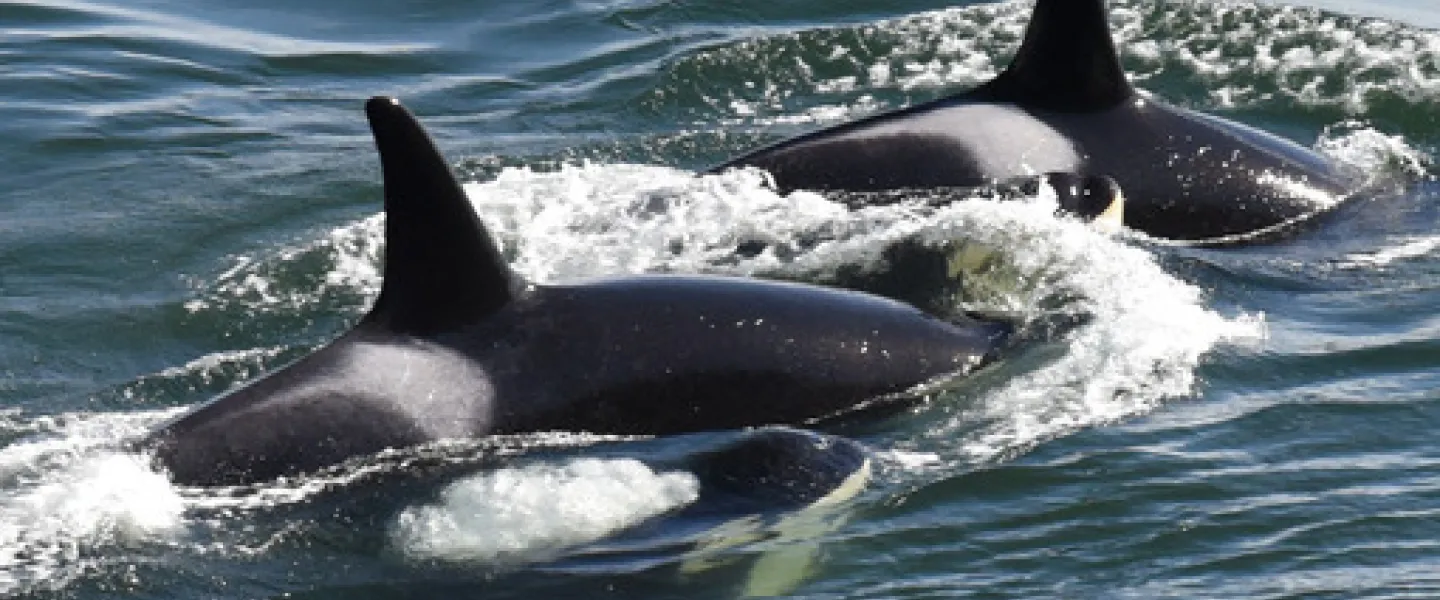
A team from the University of Iceland Research Centre in Húsavík, which observes biodiversity and the health of ecosystems in the waters north of Iceland, has confirmed that significant pollution caused by microplastics has been detected in the main feeding grounds of whales in the area.
According to Belén García Ovidea, a doctoral student at the University of Iceland, this is the first time this kind of pollution has been measured and mapped in Icelandic waters – and the conclusions show that the pollution is much worse than expected.
The team’s research is focused on the health of marine ecosystems and the impact of pollution on organisms, including whales, a key element in the ocean’s food chain. The team is also collecting data on the amount and distribution of microplastics on the ocean’s surface.
The highest levels of microplastics measured by Grímsey
The team has observed microplastic pollution off North-East Iceland since 2019 and mapped its distribution in an area covering the seas around Grimsey, Eyjafjörður and Skjálfandaflói. According to the scientists, the research showed that the highest levels of microplastics are measured in the most remote areas, for example, around Grímsey, an unexpected result.