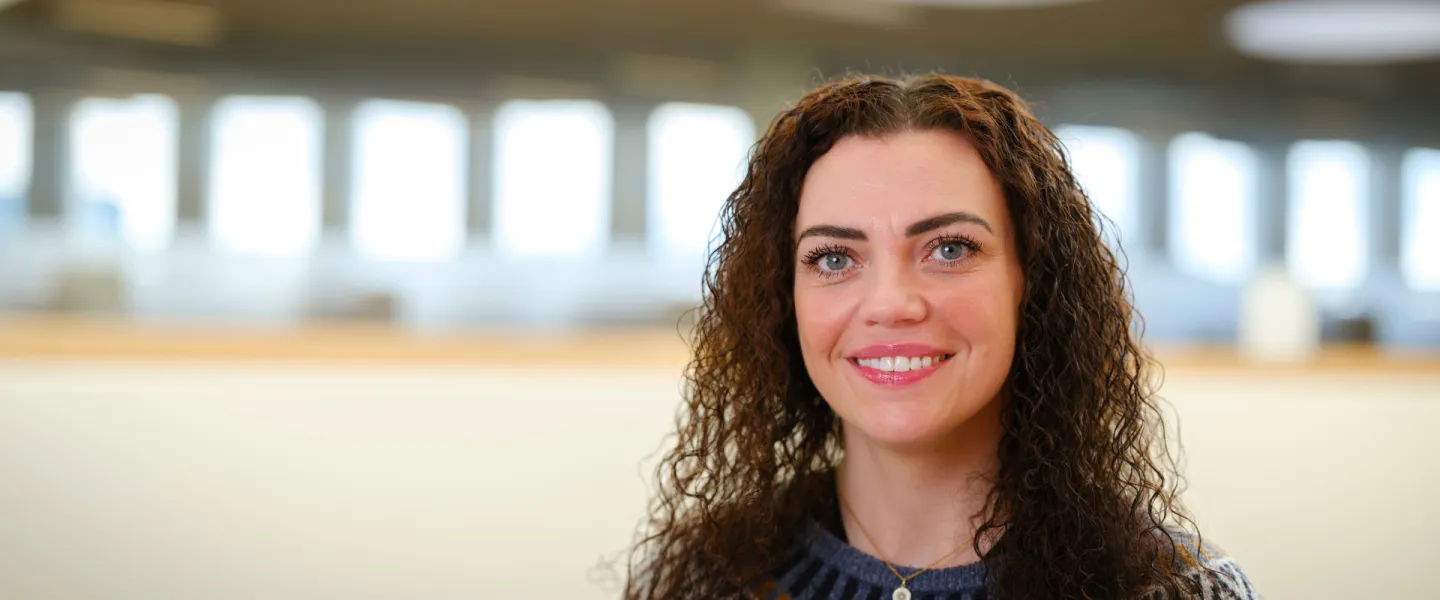
Sirrý Sif, PhD student in the School of Social Sciences.

In recent years, informal carers have been increasingly recognised for their work efforts in caring for their relatives. Research indicates that some experience caring for their relatives as a burden that has a negative effect on their mental and physical health.

New research at the University of Iceland focuses on the mental and physical health of informal carers — those who care for their immediate family members or other relatives who require home nursing. The study is conducted by Sirrý Sif Sigurlaugardóttir, a PhD student in the Faculty of Social Work in the university’s School of Social Sciences. 

‘The research is centred on examining the health and well-being of informal carers of elderly people who are provided with home nursing in Iceland. People’s different experiences of the caretaker role mean that it is important to increase knowledge of these contributing factors to prevent the circumstances of people in this vulnerable group from weighing them down,’ Sirrý Sif explains.

Carers’ Wellbeing Assessed with the interRAI-SCaN tool

Kristín Björnsdóttir, Professor in the Faculty of Nursing and Midwifery at the University of Iceland and the lead researcher, had the idea for the research. She has conducted research on home nursing and healthcare services for the elderly, as well as on the circumstances of the elderly and their carers, for years. ‘The research is based on the insights into Icelandic society Kristín has gained through her work until now,’ Sirrý Sif says. The project received a grant from the St. Jósefsspítali Doctoral Grant (which has now been dissolved) and a three-year project grant from the Icelandic Centre for Research.

For the research, Sirrý Sif uses both quantitative and qualitative research methods. The health and well-being of carers of the elderly are measured using the interRAI-SCaN assessment tool (e. interRAI-Self-reported Carer Needs Assessment System). It’s a standardised measurement tool under development within the international interRAI system, intended to holistically assess the circumstances, needs, and risk factors of individuals providing informal care, with the aim of supporting systematic services and coordinating support provided to carers. The relationship between the needs of informal carers and the care needs of the elderly is examined by combining data from the interRAI-SCaN and interRAI-HC (e.g., interRAI-Home Care Assessment) systems. The latter tool is used by home nursing professionals at The Primary Health Care in the Capital Area (Heilsugæsla Höfuðborgarsvæðisins) to assess all its users.
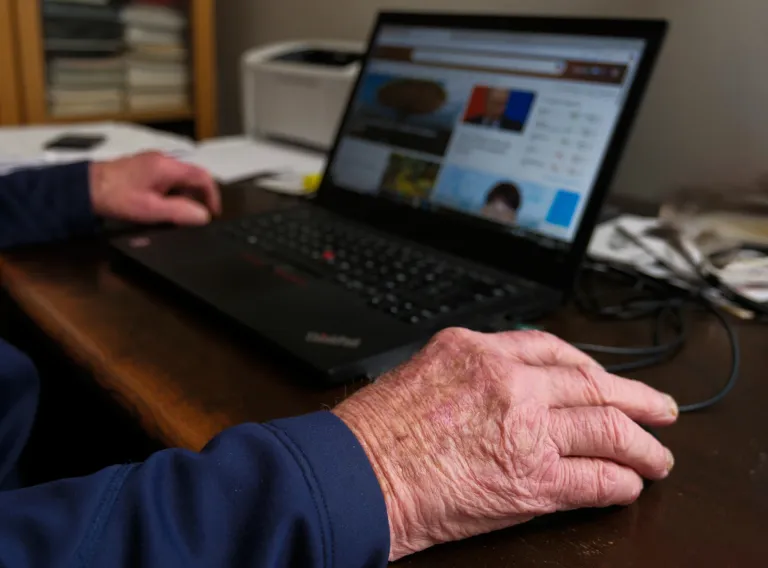
An older person using the computer.

For the last part of the project, the families dealing with the most difficulties, both a heavy caregiving burden and many complex needs, were chosen for further examination. This part of the project involved thorough data collection in the homes of recipients of home nursing, including observations and interviews with recipients, spouses, and other carers. The aim of this part of the research is to describe the connection between vulnerable users, i.e., those who are infirm with complex needs that require extensive help from home nursing, and the needs of their caregivers. ‘We are now working on analysing this data and writing articles,’ Sirrý Sif says. 

A Large Research Team

In addition to Sirrý Sif, a large team of specialists is involved in the research. As previously mentioned, Kristín Björnsdóttir, Professor of Nursing, is the principal investigator; Ingibjörg Hjaltadóttir, Professor of Nursing, is Sirrý Sif’s main supervisor; and Sigurveig H. Sigurðardóttir, Professor Emerita of Social Work, serves as project supervisor and co-supervisor. Thor Aspelund, Professor of Biostatistics; Inga V. Kristinsdóttir, nurse and PhD; Pálmi V. Jónsson, geriatrician; and Margrét Guðnadóttir, nurse and PhD, also contribute to the project in various ways and at different stages. In addition, Magnus Jegermalm, Professor of Social Work at Marie Cederschiöld University in Stockholm, serves on Sirrý Sif’s doctoral committee.

Some Cope Well While Others Experience Significant Strain 

The first results of the study are now available and have been published in an article in the journal BMC Geriatrics, while another article is currently under review. Sirrý Sif says the findings are consistent with results from other studies conducted worldwide in recent years.

‘Informal caregivers take on considerable responsibility. Many manage well, but others are close to buckling under the pressure and find it difficult to keep everything going,’ she says. She continues: ‘The first article we published focuses on identifying underlying factors in individuals’ daily lives and well-being that may be associated with this burden or strain. The aim of this analysis is to better support caregivers and possibly prevent the negative effects that this role can have on some individuals.’

The Role of Informal Caregivers Will Increase

A key aim of the research is to help Icelandic society better prepare for the growing proportion of older adults. ‘The current structure of elderly care is not sustainable in the long term, and it is clear that the role of families, or informal caregivers, will not decrease,’ says Sirrý Sif. In this context, she points to a recent article on the issue published on Vísir.

‘Our research is part of how society can respond to the changing demographic composition we are now experiencing, and which will continue to evolve,’ she adds, referring to increased life expectancy and declining birth rates.

The subject suits Sirrý well, as her research interests lie primarily in gerontology and related fields. ‘I am interested in both qualitative and quantitative research methods, and I’m receiving training in both through this project. I’m benefiting from excellent guidance and have already learned a great deal. I aim to conduct research building on the work of Kristín, Ingibjörg, and Sigurveig, with the ultimate goal of improving the well-being and quality of life of older people in society.’

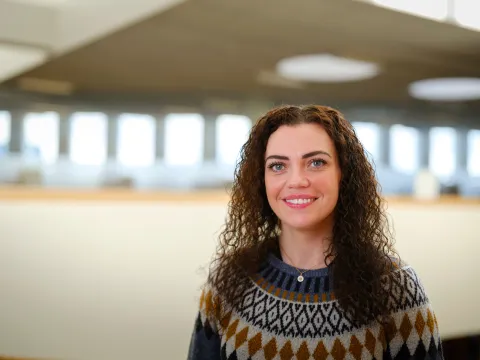
Sirrý Sif, PhD student in the School of Social Sciences.
Sirrý Sif Sigurlaugardóttir, PhD student in the Faculty of Social Work. IMAGE/Kristinn Ingvarsson

Share

Tags
Did this help?

Why wasn't this information helpful

Limit to 250 characters.