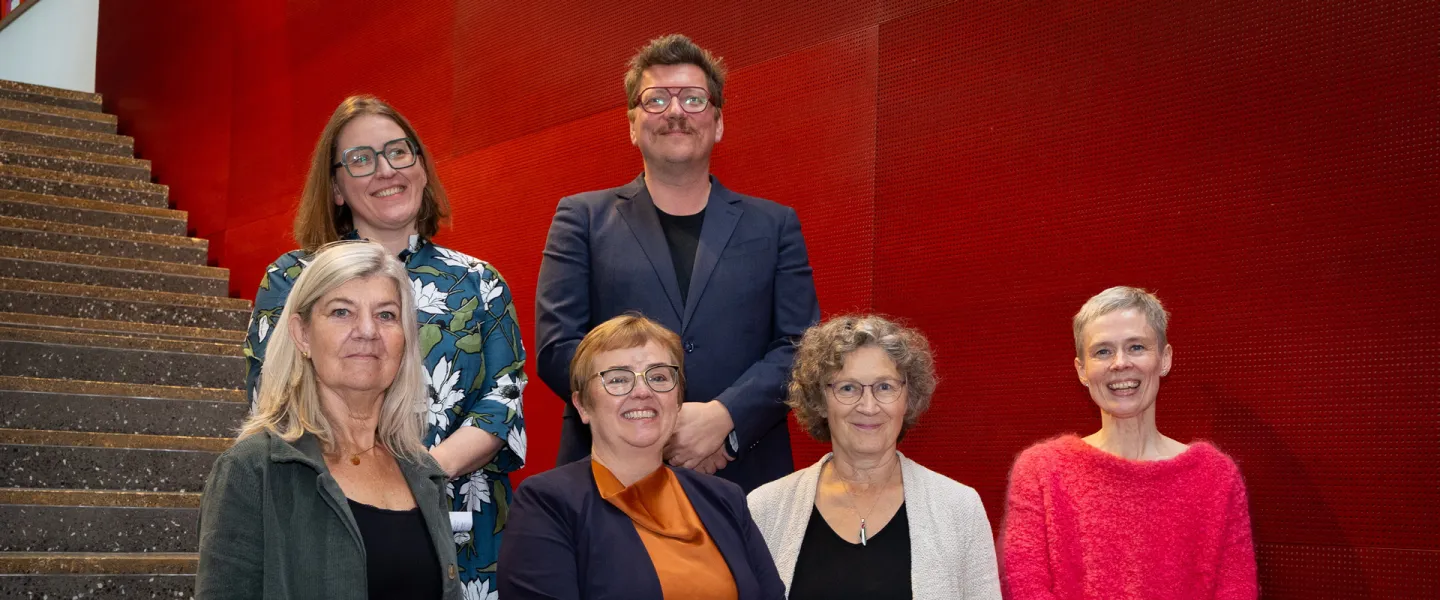
lecturers

A large audience gathered in Veröld, House of Vigdís, on Friday, 25 September to celebrate the 30th anniversary of Gender Studies at the University of Iceland. During the event, speakers reflected on the evolution of the field since its introduction at the University in 1996 and highlighted its contributions to research, teaching and public debate.

The celebration will begin with opening remarks by Silja Bára R. Ómarsdóttir, Rector of the University of Iceland, followed by talks from scholars and experts on the role and impact of Gender Studies in both academia and society. The event concluded with a farewell toast in honour of during which Þorgerður Jennýjardóttir Einarsdóttir, Professor Emerita of Gender Studies, bid farewell to both the discipline and her colleagues. She has been one of the driving forces behind the development of the discipline at the University and is now retiring after a distinguished career devoted to teaching, research and academic leadership. The programme also featured artistic performances reflecting the diversity and social relevance that have characterised Gender Studies from the outset.
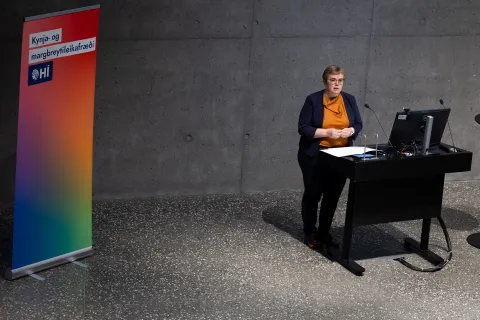
Silja Bára
Silja Bára R. Ómarsdóttir, rector of the University of Iceland, gave the opening address. PHOTO/Tryggvi Már Gunnarsson

Meeting an important need

Although Gender Studies was formally introduced at the University of Iceland in 1996, its roots extend much further back. For many years, women academics at the University had been conducting research on women’s lives and experiences and drawing on that work in their teaching of Women’s Studies. Among the first were courses offered by Helga Kress and Sigríður Th. Erlendsdóttir in the humanities, and by Dóra S. Bjarnason and Guðný Guðbjörnsdóttir in the social sciences. Interest in the subject grew steadily throughout the 1980s and 1990s, eventually paving the way for the establishment of Gender Studies as an independent academic field.

Over the past three decades, the programme has evolved from a pioneering initiative built on the commitment and perseverance of women academics into a well-established study programme with a strong interdisciplinary research environment and extensive international collaboration.

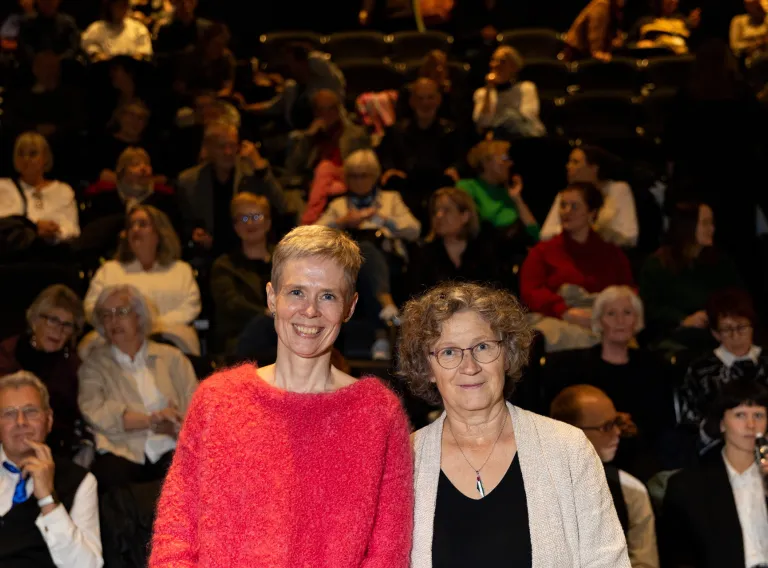
Gyða og Þorgerður

"The programme addressed an important need and attracted considerable interest from the very beginning. At the same time, we had to secure recognition for the field and demonstrate its academic and social relevance," says Þorgerður Jennýjardóttir Einarsdóttir, Professor Emerita of Gender Studies.

The University of Iceland remains the only university in Iceland to offer Gender Studies at every level of higher education. From the outset, the programme has placed a strong emphasis on integrating research and teaching while maintaining close ties with wider society. Graduates of the University of Iceland's Gender Studies programme now work across a broad range of sectors, including public administration, business, culture, research, education and the non-profit sector.

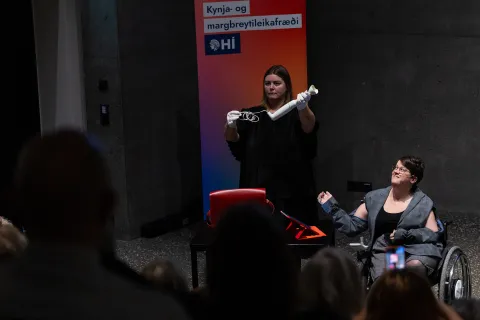
Embla
Embla Guðrúnar Ágústsdóttir, performer, independent scholar, activist, and public speaker with a monologue from the play “Skammarþríhyrningurinn” (The Triangle of Shame). Photo/Tryggvi Már Gunnarsson.

Impact beyond the University

Research in Gender Studies has also had a significant impact beyond academia, offering new perspectives on issues related to equality, power relations and social change.

"Gender Studies is no less relevant today than it was when teaching first began 30 years ago. he discipline enables us to explore and understand how gender, power and inequality are created, maintained and transformed, even in societies that see themselves as committed to equality," says Gyða Margrét Pétursdóttir, Professor of Gender Studies and chair of the anniversary event.

The anniversary marks an important milestone in the history of Gender Studies at the University of Iceland. The programme is now known as Gender and Intersectionality Studies, reflecting developments in the field and its expanding scope. The celebration also provided an opportunity to honour those who pioneered the discipline and laid the foundations for the vibrant academic community and thriving programme that exists today.

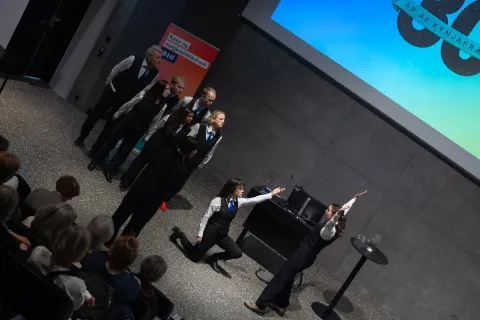
Mergur
Selected scenes from Mergur by Katrín Lóa Hafsteinsdóttir, Playwright. Photo/Tryggvi Már Gunnarsson

Share

Tags
Did this help?

Why wasn't this information helpful

Limit to 250 characters.