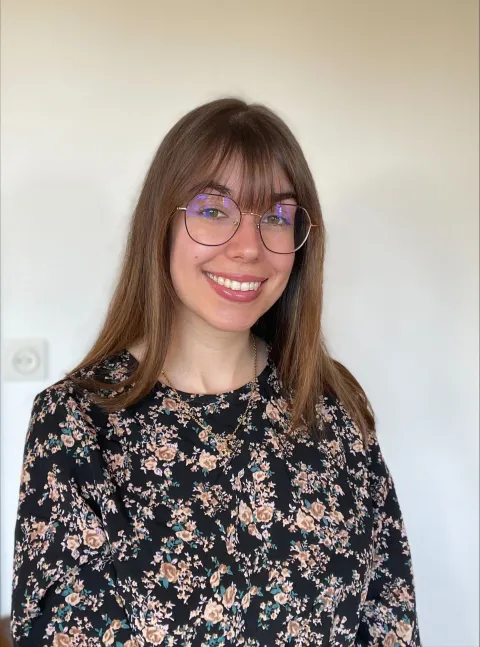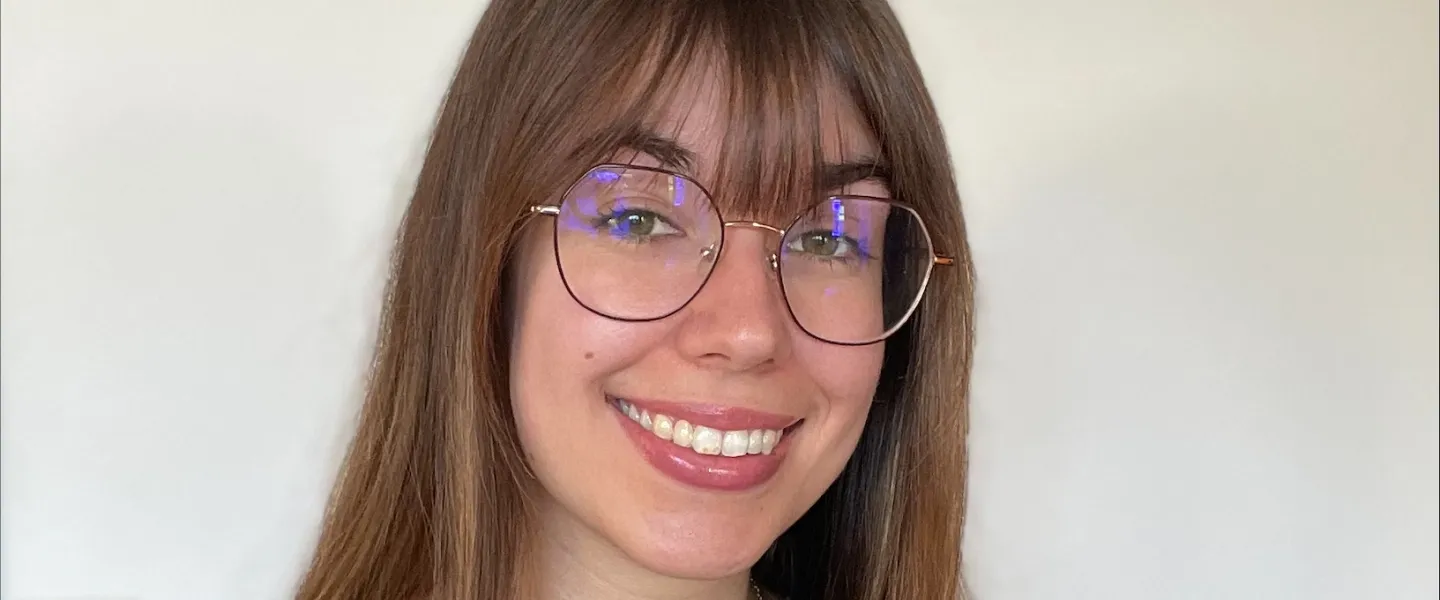
Emma Marie Rivard Henriot, a PhD student at the University of Iceland.

A new study at the University of Iceland that focuses on teenagers’ experience of endometriosis indicates that the condition causes considerable impairments and prevents some teenagers from living the lives they want to live.

Endometriosis (Endo) is a chronic illness characterised by the presence of endometrial-like tissue outside the uterus, although there is still no consensus on its exact nature. It affects at least 1 in every 10 women and people assigned female at birth.

The research is conducted by Emma Marie Rivard Henriot, a PhD student at the Institute of Philosophy at the University of Iceland, and a board member of Endósamtökin, an organisation that provides support to people who suffer from Endo, educates society on it, and advocates for improved health services for those affected by it.

‘Endo can be described as a gendered illness. According to the World Health Organization, there is a 4- to 12-year delay between symptom onset and diagnosis. This means that most teenagers will not get a diagnosis until adulthood. Among symptoms, pelvic pain, during and outside of menstruation, is the most common. However, it can also cause chronic fatigue, pain associated with bowel movements or urination, and pain during sexual intercourse,’ Emma explains.

Shedding Light on Embodied Self-Transformation

In focusing on teenagers with Endo, Emma investigates the idea of having an undiagnosed chronic illness during some of people’s most formative years — their teenage years. She examines how this experience of pain and illness is interpreted by the teenagers themselves, when and how they acquire socio-medical support, and how that affects the formation of their self-identities as young adults.

‘The study will shed light on the embodied self-transformation these young adults go through when they start painful menstruation without realising these period symptoms are abnormal,’ she says and continues: ‘My research questions are:  How does a teenager with symptoms of Endo make sense of their lived experience before diagnosis? How does the state of painful symptoms perceived as normal but experienced as a state of uncertainty and fright affect the formation of a self-identity during the teenage years? How does one make sense of their lived experience of something as personal as vaginal or vulvar pain?

Teenagers are Underrepresented in Discussions about Endo

When asked what prompted the research, Emma explains that for her master’s thesis, she focused on the lack of knowledge about Endo and its recent recognition in France. While researching her thesis, she found government documents indicating that much of the French government's research and healthcare efforts are linked to fertility, especially given France's current need to increase its birth rates. ‘However, as soon as we look at Endo through the issue of infertility, teenagers are not included because they are not expected to have babies. Therefore, it felt as if they were not represented in discussions of people’s experiences of Endo,’ Emma explains.

Moreover, Emma herself has Endo, with symptoms first developing during her teenage years. ‘The diagnosis came about 10 years after the onset of my symptoms, and during those years, it was hard to understand what was going on and what was not normal. So, the aim of this research is to better understand how teenagers feel about it, and how it impacts them,’ she says. 

Emma Marie Rivard Henriot, a PhD student at the University of Iceland.

Endometriosis From a Philosophical Perspective

Emma’s research is a philosophical project. On the one hand, it draws on the existing literature in feminist philosophy and phenomenology, as well as in the social sciences, medical sciences and disability studies. She is also reading non-scientific books about endometriosis, written by patients, journalists, and doctors, to gain insights from multiple perspectives.

‘On the other hand, another big part of my research is collecting testimonies from people who suffered from Endo in their teenage years. To do so, I am conducting qualitative interviews with 8 to 10 people aged 18 to 23 who have been diagnosed with Endo.’

For these interviews, Emma employs a phenomenological approach. Phenomenological research is a qualitative method that seeks to explore and understand individuals’ lived experiences and the meaning they assign to those experiences. ‘This approach helps explore phenomena such as self-identity, transformation, and pain via conversational and open-ended questions. It aims to answer the question: What does it feel like to have Endo during your teenage years?’ she says.

When writing the questions, Emma used the literature mentioned earlier, testimonies available online, and her own experience with the disease. ‘Once the interviews are over, I write anonymised transcripts, analyse them, and identify themes that answer the “What does it feel like?” question. Each theme comes with at least one quote describing it. The goal is not to find a recurring theme within all the experiences, but rather to consider each experience as shining a light on how Endo really affects teenagers. When analysing the transcripts, my own experience is not taken into account,’ Emma explains.

Working on an Article with Her Supervisor

Nanna Hlín Halldórsdóttir, Adjunct in the Faculty of Subject Teacher Education, is Emma’s supervisor. ‘Nanna Hlín has been very helpful, and we are planning on writing an article together on the experience of pain in intimate body parts, which might differ from a pain felt in an arm, for example,’ Emma says. Her doctoral committee consists of Eyja M. Brynjarsdóttir, Professor of Philosophy in the Faculty of Philosophy, History and Archaeology at the University of Iceland, and Alexandra Soulier, a research fellow at the Institut d'histoire et de philosophie des sciences et des techniques (IHPST) at the Université Paris 1 Panthéon-Sorbonne.

Endo Causes Considerable Impairments

Emma is still interviewing participants, analysing transcripts, and gathering data, so results are not yet available. However, she has already collected some interesting information.

‘Based on what I have heard so far, it seems like Endo causes considerable impairments and prevents some teenagers from living the lives they want to live. It appears as if Endo impacts their ability to do sports, have a social life, and be sexually active. It can even influence how they envision their future working lives,” she says, referring to the intriguing yet striking preliminary findings.

‘Furthermore, the normalisation of period pain often prevents teenagers from thinking of their symptoms as indicative of Endo, and therefore, prevents them from seeking medical help. While Endo has gained more public attention in recent years, it seems as though there can still be a lack of support from schools, friends, or family, which can lead to feelings of loneliness and isolation,’ Emma adds.

Women’s Health Has Not Received Much Attention

Emma is highly interested in feminist philosophy. In particular, epistemology and philosophy of medicine are her main research interests.

‘Even though it doesn’t seem like the main focus of my PhD project, I find it fascinating to look at how knowledge is made, or how it seems absent. Knowledge is still at the core of my research because, without a diagnosis, people live in a state of not-knowing. Moreover, women’s health has not received as much attention in the past. By examining a chronic illness affecting women and people assigned female at birth, it is extremely interesting to see the power dynamics when it comes to gaining access to knowledge about the illness and its existence,’ she says.

Results Can Help Enhance Support Systems

Emma hopes that her research will deliver valuable insights into how support systems could be enhanced to improve the lives of young individuals suffering from Endo, both within socio-medical frameworks and broader society.

‘For such improvement to occur, it is vital to hear the narratives of adolescents suffering from Endo. While symptoms can affect participation in school or work, they can also affect their social lives. A study like mine will contribute to building knowledge of teenagers’ experiences with Endo, as this knowledge remains lacking today. Moreover, as the articles will be available in open-access journals, practitioners will be able to access them, which will help them take care of teenagers with symptoms of Endo.’

Additionally, Emma plans to share the results with patients’ organisations, such as Endósamtökin in Iceland, and other organisations worldwide, to use them in creating educational content.

‘Overall, I’m hoping the results will make everyone more aware of the difficulties teenagers with Endo sometimes encounter, to improve their quality of life. I am also a firm believer in advocating for the study's social outreach.’

Emma Marie Rivard Henriot, a PhD student at the University of Iceland.
Emma Marie Rivard Henriot, a PhD student at the University of Iceland and board member of Endósamtökin.

Share

Tags
Did this help?

Why wasn't this information helpful

Limit to 250 characters.