New research by three scientists at the University of Iceland suggests that bilingual children who speak Icelandic as a second language acquire limited Icelandic in preschool. The main findings of the study are concerning, showing that bilingual children demonstrate much lower proficiency in Icelandic compared to the average proficiency of their monolingual peers in all observations.
The scientists say that the gap proved much wider than could have been predicted based on comparable research in larger linguistic communities. They say that their findings are extremely serious and should prompt a change of attitude towards linguistic exposure for bilingual preschool children. Action must be taken to strengthen the Icelandic skills of bilingual and multilingual children in Iceland.
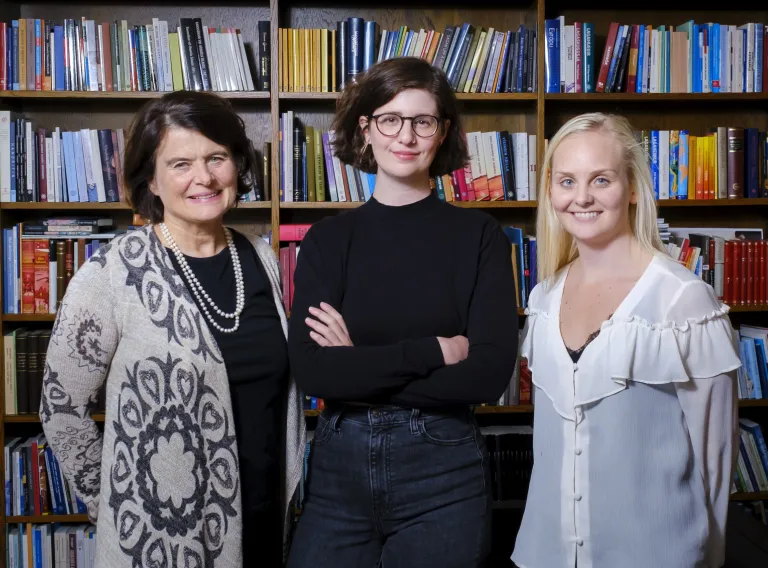
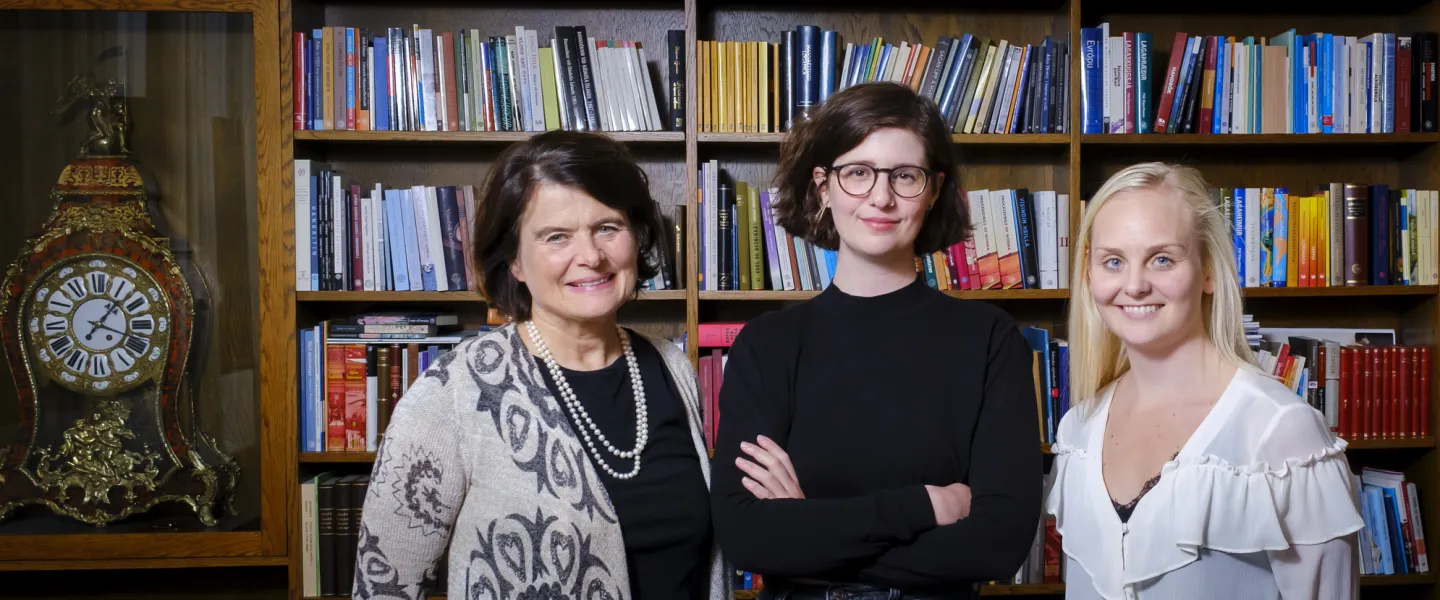
The scientists behind the study are Jóhanna T. Einarsdóttir, professor of speech pathology at the UI Faculty of Medicine and the School of Education; Iris Edda Nowenstein, MS in speech pathology from UI and PhD student in Icelandic linguistics; and Hjördís Hafsteinsdóttir, speech and language therapist, who have recently published a paper on the results of their research in the journal Netla. They found that up to 97% of monolingual children were more proficient in Icelandic than their bilingual peers.
"Thanks to earlier research conducted in Iceland, we know that language development at the end of preschool is predictive of performance in compulsory school. We also know that the number of multilingual children in preschools and compulsory school is rising, but that far fewer children in this group graduate from upper secondary school," says Jóhanna T. Einarsdóttir.
"Our results indicate that action is needed to ensure that all children have equal access to education, regardless of origin. We are calling for a change of attitude and for measures to strengthen the Icelandic skills of bilingual and multilingual children in Iceland. We want their interests to be better protected and their access to education guaranteed."
Hjördís, whose Master's thesis in speech pathology at UI forms the basis of the study, agrees. It was her own experiences of working in preschools with multilingual children that inspired her choice of thesis topic.
"This is a small study which would need to be repeated across the country, but our findings actually contradict the prevailing belief that preschool children are always quick to pick up a new language in a new linguistic community," says Iris Edda.
"However, they do align with the findings of earlier research which showed that multilingual children take longer to learn Icelandic as a second language compared to children learning, for example, English as a second language," adds Iris Edda, who actually learned Icelandic as a second language herself.
Problems with Icelandic acquisition more serious than previously believed
Jóhanna explains that this study shows that the Icelandic skills of bilingual children are worse than previously believed.
"The subjects of our study measured far below the standards of their monolingual peers, despite having been born in Iceland and attended Icelandic preschool for a long time. The gap between monolingual children and children who speak Icelandic as a second language was actually much wider than we could have expected, based on comparable research in other countries," says Jóhanna.
She adds that previous studies in Iceland have given some indication that this could be the case, but the development of the MELB standardised language development test has allowed scientists to accurately measure a child's proficiency in Icelandic.