Askja
room N-132
GPMLS - BMC lecture Wednesday 1st of April at 11:00-12:00 in Askja, room N-132
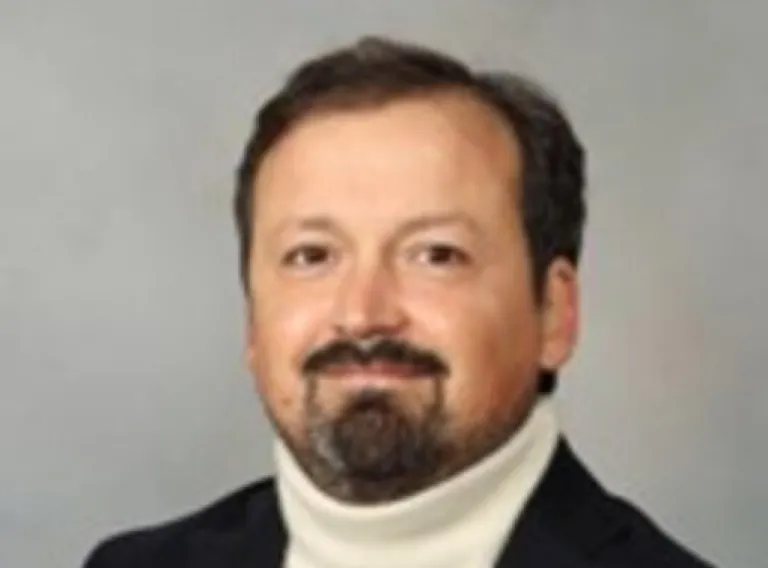
Speaker: Dr. Alexandre Gaspar Maia, Associate professor of Lab Medicine and Pathology at Mayo Clinic Rochester, Minnesota, USA.
Titill: Single cell resolution of transcriptional dependencies in gynecological tumors
Abstract: Cancer can recur when a subset of tumor cells, denoted here as persister cells, are able to survive therapy and re-enter the cell cycle. The cellular lineages that give rise to persister cells and the mechanisms that confer the persister state remain poorly understood. We hypothesized that an epigenetic signature underlies the drug-tolerant persister state, characterized by transcriptional and chromatin accessibility changes that promote survival of residual cancer following chemotherapy. To identify clinically relevant features of persister cells in untreated tumors and residual disease, we performed single-cell multiomic profiling (snRNA+snATAC from the same nuclei) on a cohort of non-malignant fallopian tube, treatment-naive, and neoadjuvant chemotherapy (NACT)-treated high-grade serous ovarian cancer (HGSOC) samples. We identified differences in gene expression and open chromatin between naïve and residual patient tumors following chemotherapy. The epigenomic analysis revealed activity of several DNA-binding factors that are both enriched upon chemotherapy and also high in resistant tumors prior to treatment. From this analysis, we identified an epigenetic signature that precedes expression and defines the persister state. Targeting persister cells using cell line models revealed that the top ranked chromatin regulators enriched in our persister signature (CREBBP/EP300 and BRD2/4) can be targeted to synergize with chemotherapy. This epigenetic signature also correlated with chemotherapy sensitivity and resistance using patient-derived xenograft models of HGSOC. Finally, our analysis also revealed that persister cells are primed for chemotherapy tolerance via chromatin accessibility highlighting an epigenetic predisposition for chemo-resistance. In summary, we identify a signature of drug-tolerant persister cells in high grade serous ovarian cancer using chromatin accessibility and transcriptome single-cell profiling. Patient tumors with features of the persister cell signature are predisposed for drug tolerance and poor responses to chemotherapy treatment through chromatin priming and epigenetic reprogramming.
Bio: Alexandre Gaspar Maia is an Associate professor of Lab Medicine and Pathology at Mayo Clinic, and the director of the Epigenomics Development lab, Mayo Clinic. He earned his PhD in molecular biology from University of Coimbra, Portugal, through the PDBEB program while performing his thesis project at UCSF in stem cell biology in the laboratory of Dr. Miguel Ramalho Santos. For his postdoctoral training he moved to Mount Sinai, New York to the lab of Emily Bernstein, to study the role of histone variants in several aspects of reprogramming and cancer. In 2017 he started his own research group at Mayo Clinic, in Rochester Minnesota. The laboratory of functional epigenomics has been working on various aspects of transcription and enhancer regulation with implications in cellular heterogeneity and drug resistance in ovarian, breast and endometrial cancers. The goal of his lab is to use epigenomic profiling to better understand cancer programs associated with malignancy, metastasis, drug sensitivity and define transcriptional dependencies. He has received numerous awards, namely two postdoctoral fellowships from the USA Department of Defense (2011-2014) and New York Stem Cell Foundation (2014-2017), two NIH Career Enhancement awards from the Mayo Clinic Ovarian Cancer SPORE (2019) and from the Breast Cancer SPORE (2022) and the Young Investigator DoD Ovarian Cancer Academy award (2021-2025).
Share
Buses 14, 1, 6, 3 and 12 stop at the University of Iceland in Vatnsmýri. Buses 11 and 15 also stop nearby. Let's travel in an ecological way!