Aðalbygging
The Aula
Link on Zoom:
https://eu01web.zoom.us/j/62313637370
Doctoral candidate:
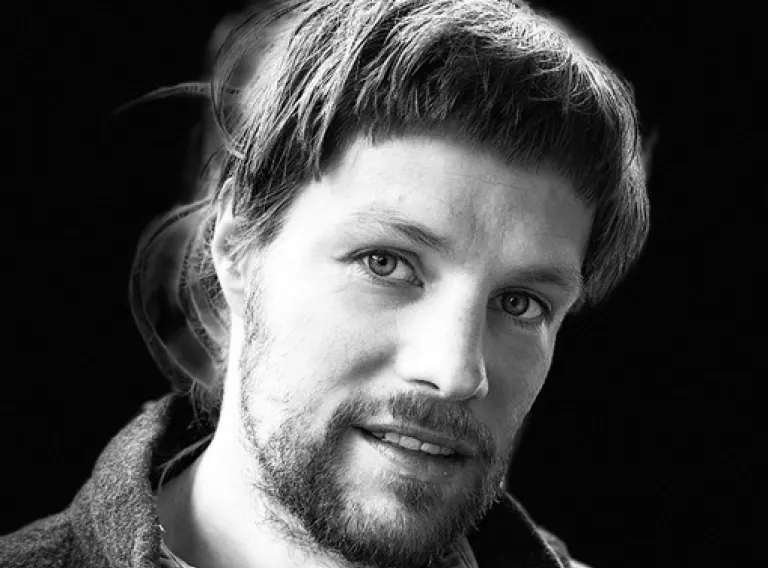
Christian Klopsch
Title of thesis:
The Effects of Long-term Cessation of Grazing on Carbon Dynamics in Icelandic Grassland and Heathland
Opponents:
Dr. Sari Stark, Senior Scientist at Arctic Centre, University of Lapland, Finland
Dr. Thomas C. Parker, Upland Ecologist, James Hutton Institute, Aberdeen, United Kingdom
Advisor:
Dr. Anna Guðrún Þórhallsdóttir Professor at the Faculty of rural tourism, Hólar University, supervisor
Dr. Áslaug Geirsdóttir Professor emerita, Faculty of Earth Sciences, University of Iceland, administrative supervisor
Other members of the doctoral committee:
Dr. Björn Þorsteinsson Professor at the Faculty of Agricultural Sciences, Agricultural University of Iceland
Dr. René van der Wal, Professor at the Faculty of Ecology, Swedish University of Agricultural Sciences (SLU), Uppsala, Sweden
Dr. Richard D. Bardgett, Professor at the Lancaster Environment Centre, Lancaster University, United Kingdom
Chair of Ceremony:
Dr. Andri Stefánsson, Professor and Head of the Faculty of Earth Sciences, University of Iceland
Abstract:
Large herbivores are increasingly recognised as key regulators of terrestrial carbon cycling, yet empirical evidence on how long-term cessation of grazing alters carbon dynamics and storage remains limited. The aim of this PhD research is to investigate how multi-decadal cessation of grazing influences carbon fluxes and storage in sub-arctic grassland and heathland ecosystems. The study uses a network of grazer exclosures established 20-83 years ago across 34 sites in Iceland, with paired continuously grazed land. Growing-season CO₂ exchange was quantified through extensive chamber-based flux measurements and NDVI data, and carbon storage and pathways in the plant–soil system were assessed using 201 soil profiles to 60 cm depth. The study results show that across sites, long-term cessation of grazing was associated with a 37% lower growing-season net CO₂ uptake and lower vegetation greenness relative to grazed land. In topsoil (0–10 cm), soil organic carbon stocks were 8% lower in exclosures, accompanied by 21% lower fine-root biomass, while root functional traits remained largely unchanged. Grazed grassland retained both the highest net CO₂ uptake and largest SOC stocks. Cessation of grazing caused a transition toward heathland at several grassland sites, associated with lower productivity and carbon sequestration while it had more limited effects in long-established heathlands. Collectively, the findings demonstrate that sustained extensive grazing maintains higher carbon turnover, enhances below-ground carbon inputs, and supports long-term SOC storage in sub-arctic grassland. This dissertation provides comprehensive empirical evidence that grazing can function as a nature-based solution for preserving carbon sinks in sub-arctic ecosystems.
About the doctoral candidate:
Christian was born and raised in rural Germany. He graduated with a BA in Geography in 2018 from Martin-Luther-University Halle-Wittenberg, Germany. During his undergraduate studies, he spent a year as an Erasmus student in Norway, where his interest in northern ecosystems and climate change deepened. He completed his Master's degree in Climate Management in 2020 from Western Norway University of Applied Sciences, where he studied invertebrate colonisation of post-glacial ecosystems, as well as research on glacial ecosystems in Svalbard. In parallel with his studies from 2018-2021, he worked and lived on a mountain sheep farm in Norway. This experience sparked his interest in the impact of animals on climate and biochemical cycles. He then began his doctoral studies at the University of Iceland and Hólar University, where he has been studying the effects of grazing on carbon cycling in lowland ecosystems in Iceland. In addition to his doctoral studies, he assisted in teaching grassland botany at the Agricultural University of Iceland and contributed to mapping of biodiversity of grasslands in Europe. Living in Hólar allowed Christian to combine his academic work with his passion for snowy winters and cross-
Share
Buses 14, 1, 6, 3 and 12 stop at the University of Iceland in Vatnsmýri. Buses 11 and 15 also stop nearby. Let's travel in an ecological way!