Aðalbygging
The Aula
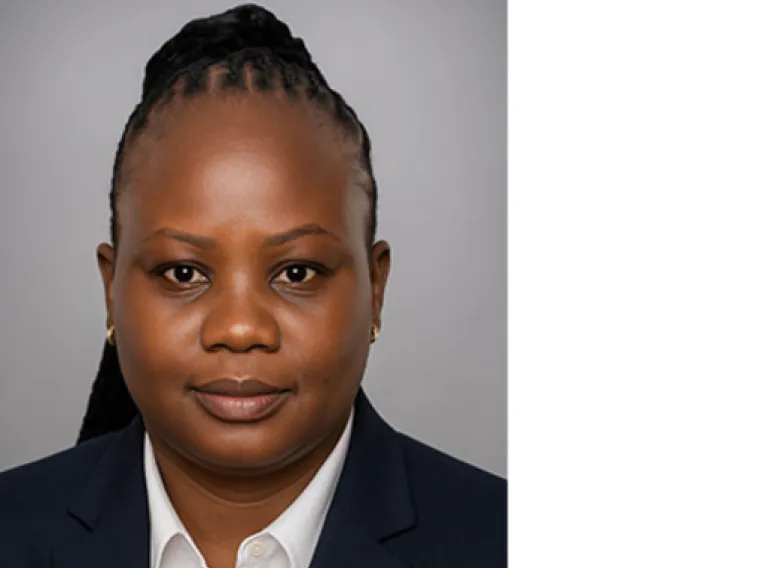
Doctoral candidate: Safina Musa
Title of thesis: Effects of aquafeed management on Nile tilapia production – environmental and economic consequences
Opponents:
Dr. Nasser Kasozi, Director of Research, Buginyanya Zonal Agricultural Research and Development Institute, Uganda.
Dr. Anders Kiessling, Professor at the Department of Applied Animal Science and Welfare, SLU, the Swedish University of Agricultural Sciences, Uppsala, Sweden.
Main supervisor: Dr. Helgi Þór Thorarensen, professor, UIT The Arctic University of Norway.
Faculty supervisor: Dr. Arnar Pálsson, Professor at the Faculty of Life and Environmental Sciences, University of Iceland.
Other members of the doctoral committee:
Dr. Sigurður S. Snorrason, Professor emeritus at the Faculty of Life and Environmental Sciences, University of Iceland.
Dr. Ólafur Sigurgeirsson, Associate professor at Holar University, Iceland.
Dr. Tumi Tómasson GRO Fisheries Training Programme, Marine and Freshwater Research Institute, Iceland.
Chair of Ceremony: Dr. Snæbjörn Pálsson, Professor and Head of the Faculty of Life and Environmental Sciences, University of Iceland.
Abstract
Despite favorable conditions, aquaculture production in Kenya and East Africa remains low. The main constraint is poor feed quality and high feed costs, which inflate production expenses and intensify environmental impacts. This thesis presents four experiments aimed at addressing these challenges and improving aquaculture sustainability in the region: 1) Comparing the benefits of using more expensive extruded feed produced in a feed mill (EF) and locally made artisanal pelleted feed (PF) under cage-based aquaculture of Nile tilapia (Oreochromis niloticus) in Lake Victoria, Kenya. The findings indicate that, despite their higher unit price, extruded feeds reduced overall production costs by approximately 26% relative to pelleted feeds, largely attributable to superior feed conversion efficiency and lower fixed costs. Moreover, extruded feed appeared to promote better growth and had lower environmental impacts than pelleted feed. 2) The effects of aquafeed on the environmental footprint of cage-based aquaculture of Nile tilapia in Lake Victoria, Kenya. Cage culture activities affected both water and sediment zones of the lake, but the influence was confined to a limited area within about 50 m of the cages. Water quality conditions returned to normal within a few months after harvest, whereas sediment and meiofaunal recovery was slower and remained incomplete four months after production. Such conditions may create long-term challenges for cage culture unless fallowing intervals are lengthened or production sites are rotated between cycles. 3) A study of food selection and growth of tilapia in ponds. The results showed that tilapia below 60–90 g failed to utilize the offered feed, which instead settled as an expensive fertilizer. In contrast, larger fish (≥100 g) relied mainly on supplemental feed for growth. 4) A study of the relative contributions of supplementary and/or natural feed to the growth of tilapia in fertilized ponds. The results concur with those of the previous study, smaller tilapia did not consume the supplementary feed. Instead, they mainly consumed the natural production of zooplankton and zoobenthos in the ponds. The findings indicate that appropriate integration of feeding and fertilization strategies can substantially lower tilapia production costs in pond systems. Thus, results of these experiments provide useful information for the sustainable development of aquaculture in Kenya and in other parts of East-Africa both economically and environmentally.
About the doctoral candidate
Safina Musa completed her bachelor and Master’s degree at Moi University, Kenya. Her MS thesis was supervised by Professor Phillip Raburu, and focused on assessing the levels of organochlorine and organophosphorus pesticide residues in the water and sediments of Lake Victoria.
After completing her studies, she joined the Kenya Marine and Fisheries Research Institute, where she currently serves as a Senior Research Scientist in Aquaculture. Beside conducting here Ph.D. studies, Safina has been privileged to participate in several prestigious international training programs.
Beside the work presented in this thesis, Safina has published several dozen other peer-reviewed papers and contributed to over 10 books and book chapters in her field. Her research primarily focuses on aquaculture systems, fish nutrition, feed development, environmental management, and socio-economic aspects of fisheries and aquaculture.
Beyond her professional career, Safina is married to Dr. Christopher Mulanda and together they are blessed with two sons and one daughter.
Share
Buses 14, 1, 6, 3 and 12 stop at the University of Iceland in Vatnsmýri. Buses 11 and 15 also stop nearby. Let's travel in an ecological way!