
Aðalbygging
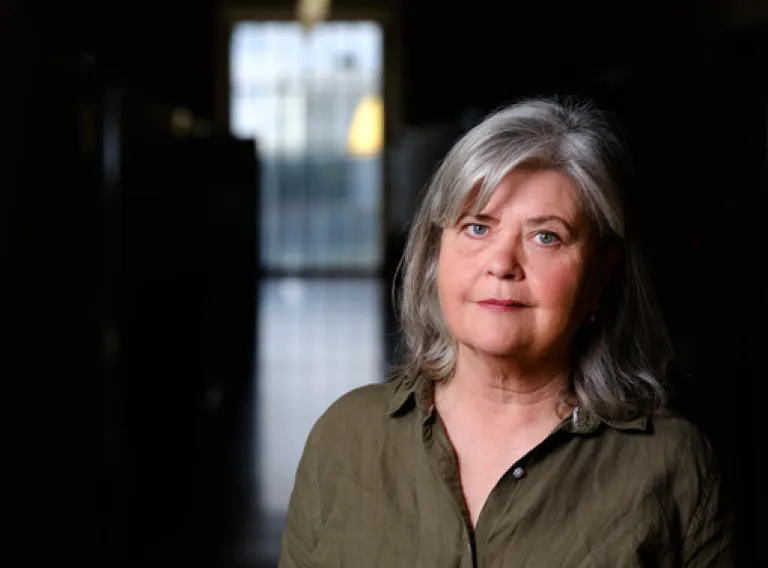
On Monday, 17 August, Ragnheiður I. Bjarnadóttir will defend her doctoral dissertation in Medical Sciences at the Faculty of Medicine, University of Iceland. The dissertation is entitled:
Stillbirth in Iceland 1996–2021: Causes and Clinicopathological Phenotypes
(Icelandic title: Andvanafæðingar á Íslandi 1996–2021: orsakir og svipgerðir.)
The opponents are Dr. Alexander Heazell, consultant obstetrician and Professor at the University of Manchester, The Tommy's Maternal and Fetal Health Research Centre and Rainbow Clinic, and Dr. Ingela Hulthén Varli, consultant obstetrician at Karolinska Institutet, Stockholm.
The principal supervisor was Jóhanna Gunnarsdóttir, consultant obstetrician and Associate Professor at the University of Iceland, and the co-supervisor was Karin Pettersson, consultant obstetrician and Associate Professor at Karolinska Institutet. The doctoral committee also included Alexander Kristinn Smárason, consultant obstetrician and Professor at the University of Akureyri; Kristjana Einarsdóttir, epidemiologist; and Unnur Anna Valdimarsdóttir, Professor at the University of Iceland.
The defense will be chaired by Sædís Sævarsdóttir, Professor and Dean of the Faculty of Medicine. It will take place in the Ceremonial Hall of the University of Iceland and will begin at 1:00 p.m.
Abstract
The stillbirth rate (SBR) in Iceland is low in a global perspective, but almost 400 infants were stillborn between 1996 and 2021. To explore the SBR and etiology of stillbirth in Iceland, clinical information was collected from medical records of mothers who had stillbirths, including results of autopsy records and examination of placenta, membranes and umbilical cord. Histopathological slides were re-evaluated and classified according to the Amsterdam placental workshop consensus into four major patterns of placental injury: maternal vascular malperfusion (MVM), fetal vascular malperfusion (FVM), acute chorioamnionitis (ACA) and chronic villitis of unknown etiology (VUE). Causes of death were assigned according to the Stockholm classification of stillbirth. Maternal and fetoplacental characteristics, patterns of placental injury and cause of death were compared between the earlier and latter half of the study period (1996-2008 and 2009-2021) as well as between gestational age (GA) groups.
The SBR decreased in the latter period due to a reduction in preterm stillbirth but the SBR at term was unchanged. Reduced circulation of the umbilical cord and placental insufficiency were the commonest causes of death, both increasing with GA. More stillbirths were attributed to placental insufficiency in the latter period, reflecting a lack of reduction of stillbirth at term. Stillbirths with VUE and FVM, as well as umbilical cord at risk, were more common with advancing GA and often without recognised risk factors. Understanding major patterns of placental injury and their correlation to clinical phenotypes of stillbirth is valuable when counselling after stillbirth and planning surveillance of a subsequent pregnancy. However, novel methods to screen for placental injury during pregnancy could reduce stillbirth in the future and a prospective study is planned, combining clinical, biochemical and placental histopathological findings in unselected pregnancies in Iceland.
About the Doctoral Candidate
Ragnheiður Ingibjörg Bjarnadóttir was born in Reykjavík in 1961. She graduated from the natural sciences programme at Menntaskólinn í Reykjavík in 1980 and received her medical degree (MD) from the Faculty of Medicine at the University of Iceland in 1986. She completed her specialist training at Ninewells University Hospital in Dundee, Scotland, and was certified as a specialist in Obstetrics and Gynaecology in 1996.
Since 1996, Ragnheiður has worked as a consultant obstetrician and gynaecologist in the Women's and Children's Division at Landspítali – The National University Hospital of Iceland, while also conducting research on pregnancy and birth outcomes. She has served as a Lecturer in the Faculty of Medicine at the University of Iceland since 2019. She began her doctoral studies in 2022 and was awarded a doctoral research scholarship from the Icelandic Centre for Research (Rannís) in 2023.
Ragnheiður is the daughter of the late Bjarni Hannesson, a neurosurgeon, and the late Þorbjörg Þóroddsdóttir, a special education teacher. Her husband is Dr. Sveinn Yngvi Egilsson, Professor at the University of Iceland. They have three daughters: Þorbjörg, a prosecutor with the Office of the District Prosecutor; Brynja, Director of Gerðarsafn Art Museum; and Dr. Hólmfríður, an archaeologist at the University of Oslo. They have six grandchildren.
Share
Buses 14, 1, 6, 3 and 12 stop at the University of Iceland in Vatnsmýri. Buses 11 and 15 also stop nearby. Let's travel in an ecological way!